Immunotherapy & Targeted Therapy for Oral Cancer Explained
Need expert consultation? Book an appointment with Dr. Pradeep S. or Dr. Kalpa Pandya.
Book AppointmentSurgery, radiation and chemotherapy have long been the mainstays of oral cancer treatment, and surgery remains the core of curative treatment for cancers of the tongue, cheek (buccal mucosa), floor of mouth and jaw. In the last decade, two newer drug groups have been added for some patients: targeted therapy and immunotherapy. They are used mainly when oral squamous cell carcinoma (OSCC) has come back or spread, and in selected cases around surgery.
One point first: these drugs are prescribed and given by medical oncologists. As surgeons, Dr. Pradeep S. and Dr. Kalpa Pandya work alongside them in the multidisciplinary team. This guide explains how the drugs work, who may be considered, and how biomarker testing guides the choice. If your cancer has returned, our guide to advanced and recurrent mouth cancer options covers the wider picture.
Surgery vs. Systemic Therapies in Oral Cancer Care
Treatments are either local or systemic.
- Local Therapies (Surgery & Radiation): These focus directly on the primary tumor site and surrounding regional lymph nodes in the neck. For resectable cancers, clearing the cancer through wide local excision and neck dissection remains the single most effective intervention for long-term survival.
- Systemic Therapies (Chemotherapy, Targeted Therapy & Immunotherapy): These involve medications administered intravenously or orally that travel through the bloodstream to treat cancer cells throughout the body.
Medical therapies rarely replace surgery when a tumour can be safely removed with clear margins. Systemic drugs are used in three main situations:
- Adjuvant Therapy: Given after surgery in high-risk cases. The established standard here is radiation, with cisplatin chemotherapy added for features such as positive margins or extranodal extension.
- Perioperative / Neoadjuvant Therapy: Immunotherapy given before (and after) surgery is a newer approach. Recent trials, such as KEYNOTE-689, support perioperative pembrolizumab for some resectable, PD-L1-positive cancers, but whether it suits a particular patient is a medical oncology decision.
- Recurrent or Metastatic Care: The main use of immunotherapy and targeted therapy: when cancer returns or spreads and further surgery or radiation is not possible.
To understand how surgery forms the foundation of treatment, read our guide on oral cancer treatment and our oral cancer speciality page.
What is Targeted Therapy for Oral Cavity Cancer?
Targeted therapy uses drugs that attach to specific proteins on cancer cells and interrupt the signals that tell the cell to grow and divide.
The Role of EGFR Inhibitors
In oral squamous cell carcinoma (OSCC), the most common therapeutic target is the Epidermal Growth Factor Receptor (EGFR). EGFR is a cell-surface protein that regulates cell growth and survival. Published studies report that most head and neck squamous cell cancers carry high levels of EGFR, which helps cancer cells multiply. (Dr. Kalpa Pandya's own research, supported by a GATE grant, has looked at EGFR in oral cancer.)
- Monoclonal Antibodies (e.g., Cetuximab): Cetuximab is an antibody that attaches to EGFR and blocks the growth signals it carries into the cell.
- With Radiation: Cetuximab can be given with radiation, mainly for patients who cannot safely receive cisplatin. In later trials, cisplatin with radiation gave better cancer control for patients fit for it, so cetuximab is not a routine substitute.
- With Chemotherapy: For recurrent or metastatic disease, cetuximab is used with platinum chemotherapy in some regimens, particularly when immunotherapy is unsuitable.
Unlike conventional chemotherapy, which also affects normal fast-dividing tissues (such as bone marrow and gut lining), cetuximab has a different side-effect profile. This can make it an option for some older patients or those with kidney problems or hearing loss that rule out cisplatin.
What is Immunotherapy for Oral Squamous Cell Carcinoma?
Immunotherapy works by helping the body's own immune system recognise and attack cancer cells. Immune cells use "checkpoints" as safety switches to avoid attacking healthy tissue, and some cancer cells use these switches to hide.
The PD-1 / PD-L1 Pathway Explained
Many oral tumours carry a surface protein called PD-L1. When it binds to the PD-1 receptor on T-cells, it sends a "stop" signal, and the T-cell ignores the tumour. Immune checkpoint inhibitors block this:
- PD-1 Inhibitors (e.g., Pembrolizumab, Nivolumab): These monoclonal antibodies bind directly to the PD-1 receptor on T-cells.
- Releasing the brakes: Blocking the PD-1 and PD-L1 link lets the T-cells recognise and attack the tumour again.
Only a minority of patients respond, but in some who do, the response can be long-lasting.
Two uses are well established. First-line for recurrent or metastatic disease, pembrolizumab is used alone (CPS of 1 or more) or with platinum chemotherapy (KEYNOTE-048). After platinum chemotherapy has stopped working, nivolumab (CheckMate 141) or pembrolizumab may be used.
For a broader overview of non-surgical options, read can oral cancer be treated without surgery?
Who Benefits Most? Biomarkers & Patient Selection
These drugs are not right for everyone. They have their own side effects and costs, so the medical oncologist uses tissue testing and your general health to choose.
When systemic therapy is being considered, pathologists test the tumour tissue (from a biopsy or earlier surgery) for PD-L1. For details on how biopsies are evaluated, see our oral cancer biopsy guide.
Key Biomarkers and Clinical Indicators
| Biomarker / Clinical Metric | What It Measures | Clinical Impact on Treatment Choice |
|---|---|---|
| Combined Positive Score (CPS) | PD-L1 staining on tumour cells and immune cells relative to tumour cells. | CPS ≥ 1: Pembrolizumab alone or with chemotherapy can be used first-line for recurrent/metastatic disease. CPS ≥ 20: Published trials show a larger benefit from pembrolizumab. CPS < 1: Pembrolizumab with chemotherapy or a chemotherapy-based regimen is considered. |
| EGFR Expression | EGFR protein on tumour cells. | Not routinely tested to select cetuximab, because most of these cancers express EGFR and the level does not reliably predict benefit. |
| Tumor Mutational Burden (TMB) | Number of mutations in tumour DNA. | Occasionally tested; a high TMB may predict immunotherapy response, but it is not a routine test in oral cancer. |
| Microsatellite Instability (MSI-H / dMMR) | Defects in DNA mismatch repair. | Rare in oral cancer; when present, it suggests a better chance of response to checkpoint inhibitors. |
| Performance Status (ECOG 0-2) | Measures a patient's overall daily functional capacity and stamina. | Determines whether a patient can tolerate combined chemo-immunotherapy or requires single-agent regimens. |
Candidates Who Benefit Most
- Recurrent or Metastatic Oral Cancer: Patients whose cancer has returned in the mouth, jaw or neck after surgery/radiation and cannot be treated locally again, or has spread to distant sites such as the lungs.
- Patients with Higher PD-L1 (CPS): In the published KEYNOTE-048 trial, pembrolizumab, alone or with chemotherapy, improved overall survival over the older cetuximab-chemotherapy (EXTREME) regimen in the groups studied, with the clearest benefit at higher CPS.
- Patients Unfit for Cisplatin: Older patients or those with kidney problems, hearing loss or nerve damage who cannot take cisplatin may be offered cetuximab- or immunotherapy-based treatment instead.
- Selected Resectable Cancers (Perioperative Setting): For some advanced but operable cancers (for example advanced cheek cancer or tongue cancer), medical oncologists may discuss immunotherapy around surgery. Surgery is still planned around the tumour's original extent.
Wondering whether surgery is still an option for you? Dr. Pradeep S. and Dr. Kalpa Pandya see patients at Apollo Main Hospital, Greams Road, Chennai. Book a consultation or call +91 96633 03747 for a surgical assessment and coordination with the medical oncology team.
Comparison: Targeted Therapy vs. Immunotherapy
The two work differently.
| Clinical Feature | Targeted Therapy (e.g., Cetuximab) | Immunotherapy (e.g., Pembrolizumab / Nivolumab) |
|---|---|---|
| Primary Target | Specific growth receptors on tumor cells (EGFR). | Immune checkpoint proteins (PD-1/PD-L1) on T-cells and tumor cells. |
| Mechanism of Action | Blocks growth signals; halts cell proliferation. | Removes immune suppression; activates T-cells to attack cancer. |
| Biomarker Required | None routinely; EGFR level is not used to select patients. | PD-L1 expression testing (Combined Positive Score - CPS). |
| Response Speed | Varies; assessed on scans after a few cycles. | Can take weeks to months; occasionally tumours look larger before shrinking ("pseudoprogression"). |
| Durable Response | Effect generally lasts while treatment continues. | In a minority of responders, responses can be long-lasting. |
| Common Side Effects | Acne-like skin rash, dry skin, fatigue, low magnesium. | Fatigue, skin rash, thyroid disorders (hypo/hyperthyroidism), immune inflammation. |
| Primary Indication | With radiation for patients unfit for cisplatin; with chemotherapy for recurrent/metastatic disease. | First-line recurrent/metastatic disease (pembrolizumab alone if CPS ≥ 1, or with chemotherapy); after platinum progression (nivolumab or pembrolizumab). |
How Systemic Therapies Integrate with Maxillofacial Surgery
These drugs are part of a wider plan. Surgery remains the main treatment for removable oral cancers, and the medical oncologist decides on and gives any systemic drugs.
1. Treatment Before Surgery (Perioperative)
For some locally advanced but operable cancers, immunotherapy before and after surgery is now an option supported by recent trials. Some tumours shrink, but surgery is still generally planned around the tumour's original extent to keep margins safe. Whether this approach suits you is decided jointly, with the medical oncologist leading the drug treatment.
2. Treatment After Surgery (Adjuvant)
When the pathology report shows high-risk features, such as positive margins or extranodal extension (ENE) in lymph nodes, the established standard is radiation with cisplatin chemotherapy. Cetuximab may be considered for patients who cannot have cisplatin. Read more in radiation or chemo after oral cancer surgery and our guide to the histopathology report.
3. Reconstruction and Healing
Any drug treatment given around surgery is timed by the team to allow wounds and reconstructions, such as a fibula free flap done with a reconstructive colleague, to heal. Immunotherapy and targeted drugs have their own side effects, so timing is planned case by case.
For recurrent cancer, read our overview of advanced and recurrent mouth cancer options and our page on multidisciplinary cancer care.
Managing Side Effects: What Patients Should Expect
Both drug groups have side effects that need early attention. Tell your oncology team promptly about any new symptom.
Side Effects of Targeted Therapy (EGFR Inhibitors)
- Acneiform Skin Rash: An acne-like skin eruption typically appears on the face, neck, and upper chest within the first two weeks of treatment. Some published studies suggest that patients who develop a rash may respond better to the drug.
- Management: Prophylactic oral antibiotics (e.g., doxycycline), topical hydrocortisone creams, gentle skin cleansers, and avoiding direct sun exposure.
- Hypomagnesemia: Cetuximab can cause the kidneys to excrete magnesium, leading to muscle cramps, fatigue, or cardiac irregularities.
- Management: Regular blood monitoring and routine magnesium supplementation (oral or IV).
Side Effects of Immunotherapy (Immune Checkpoint Inhibitors)
Because immunotherapy activates the immune system, side effects can be "immune-related", where immune cells attack normal tissues.
- Endocrinopathies: Thyroid gland inflammation is common, resulting in hypothyroidism (sluggishness, weight gain) or hyperthyroidism.
- Management: Routine blood tests to monitor Thyroid Stimulating Hormone (TSH) levels, managed with daily thyroid hormone replacement pills.
- Dermatologic Toxicity: Skin itching (pruritus), mild rashes, or vitiligo.
- Management: Topical steroid creams and oral antihistamines.
- Pneumonitis & Colitis: Rare but serious autoimmune inflammation of the lungs (causing dry cough and shortness of breath) or bowel (causing persistent diarrhea).
- Management: Prompt notification of your clinical team, temporary discontinuation of the drug, and administration of systemic corticosteroids to calm the immune response.
Clinical Evidence & Guideline Recommendations
These uses are supported by published trials and by guidelines such as those of the National Comprehensive Cancer Network (NCCN).
- KEYNOTE-048 (Pembrolizumab): This phase 3 trial showed that first-line pembrolizumab, alone or with platinum chemotherapy, improved overall survival compared with cetuximab plus chemotherapy (the EXTREME regimen) in recurrent or metastatic head and neck squamous cell carcinoma with PD-L1 CPS ≥ 1.
- CheckMate 141 (Nivolumab): Showed improved survival with nivolumab over standard single-agent therapy in patients whose cancer progressed after platinum chemotherapy.
- Bonner trial (Cetuximab): Showed that adding cetuximab to radiation improved survival compared with radiation alone. Later trials found cisplatin with radiation superior for patients fit for cisplatin.
- Perioperative immunotherapy: Early studies of pembrolizumab before surgery showed tumour responses in some patients, and the later KEYNOTE-689 trial supports its use before and after surgery for selected resectable, PD-L1-positive cancers.
What to Expect at a Consultation
At Apollo Main Hospital, Greams Road, Chennai, Dr. Pradeep S. and Dr. Kalpa Pandya assess your cancer surgically and work with medical and radiation oncologists.
- Surgical Assessment: The surgeons examine the tumour and review scans for jawbone involvement and neck node status to decide whether surgery is possible.
- Biomarker Testing When Relevant: If systemic therapy is being considered, tumour tissue is tested for PD-L1 (CPS).
- Multidisciplinary Discussion: Surgeons, medical oncologists and radiation oncologists agree a plan that balances cure with function.
- Coordinated Treatment: If drug treatment is given around surgery, the medical oncologist administers it and timing is coordinated with surgery and healing.
For more on preparing for your first visit, see our first consultation checklist or read which doctor treats mouth cancer.
Talk to the Surgeons
Dr. Pradeep S. (BDS, MDS in Oral & Maxillofacial Surgery, FHNS, FIBCSOMS) has a head and neck surgical oncology fellowship. With Dr. Kalpa Pandya, he sees patients at Apollo Main Hospital, Greams Road, Chennai, to judge whether surgery is possible and to coordinate with the medical oncologists who prescribe systemic drugs. If you have been told your cancer has returned or cannot be operated on, a second opinion can help, and multidisciplinary cancer care explains how the team works.
Call +91 96633 03747 or book an appointment online.
References
- Burtness, B., et al. "Pembrolizumab alone or with chemotherapy versus cetuximab with chemotherapy for recurrent or metastatic head and neck squamous cell carcinoma (KEYNOTE-048): a randomised, open-label, phase 3 study." The Lancet, 394(10212), 2019, pp. 1915-1928.
- Bonner, J. A., et al. "Radiotherapy plus cetuximab for squamous-cell carcinoma of the head and neck." New England Journal of Medicine, 354(6), 2006, pp. 567-578.
- National Comprehensive Cancer Network (NCCN). "NCCN Clinical Practice Guidelines in Oncology: Head and Neck Cancers." NCCN.org
- Ferris, R. L., et al. "Nivolumab for Recurrent Squamous-Cell Carcinoma of the Head and Neck." New England Journal of Medicine, 375(19), 2016, pp. 1856-1867.
- Uppaluri, R., et al. "Neoadjuvant Pembrolizumab in Surgically Resectable, Locally Advanced Head and Neck Squamous Cell Carcinoma." Clinical Cancer Research, 26(19), 2020, pp. 5140-5150.
Next step
Concerned about a symptom you read here? Get a specialist opinion in Chennai.
Dr. Pradeep S. and Dr. Kalpa Pandya consult at Apollo Hospitals, Greams Road. Same-day responses on WhatsApp for most enquiries.
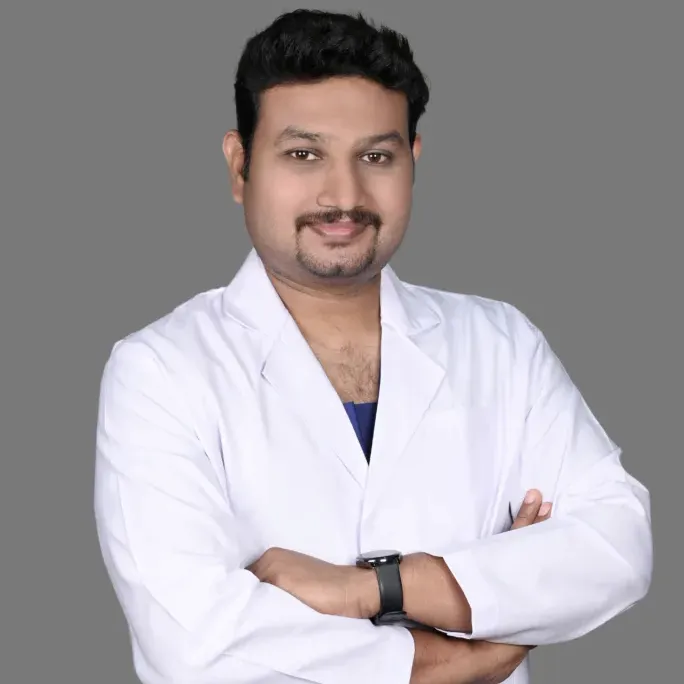
Dr. Pradeep S.
MDS (OMFS) · FHNS · FIBCSOMS

Dr. Kalpa Pandya
MDS (OMFS) · FHNS — Head & Neck Oncology
Authored by
Medically reviewed by