Oral submucous fibrosis (OSMF) stiffens the lining of the mouth and limits how wide you can open. OSMF release surgery excises the fibrous bands, covers the area with a graft or flap, and is paired with mouth-opening physiotherapy — with long-term surveillance, as OSMF is a precancerous condition.
Is Your Mouth Opening Getting Progressively Smaller?
Experiencing a gradual reduction in your ability to open your mouth can be incredibly alarming — our guide on why your mouth will not open explains the symptom pattern. This condition, known clinically as trismus, is often the primary symptom of oral submucous fibrosis (OSMF). OSMF is a chronic, progressive condition that causes scarring and hardening of the delicate tissues inside your cheeks and lips. For many patients, daily activities like chewing, speaking, and maintaining oral hygiene become painful struggles. If your jaw has locked suddenly rather than tightened slowly, the causes of a locked jaw are different and worth reading.
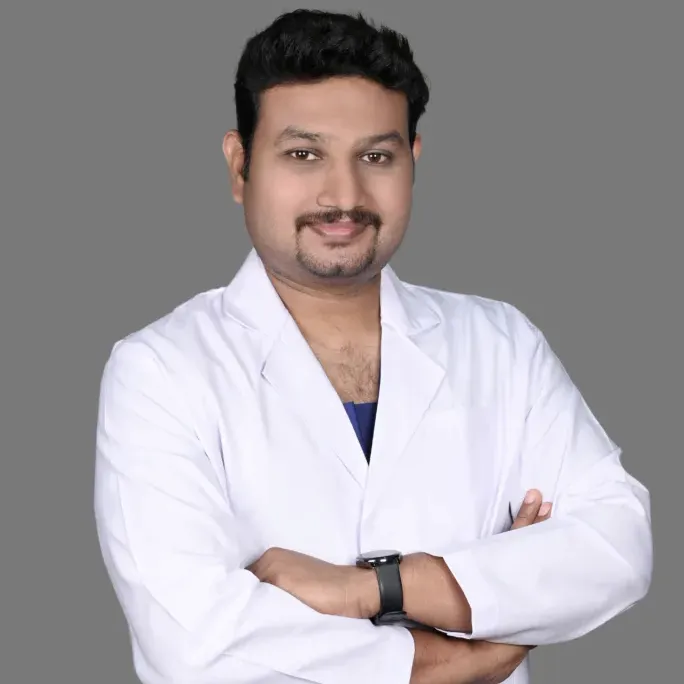
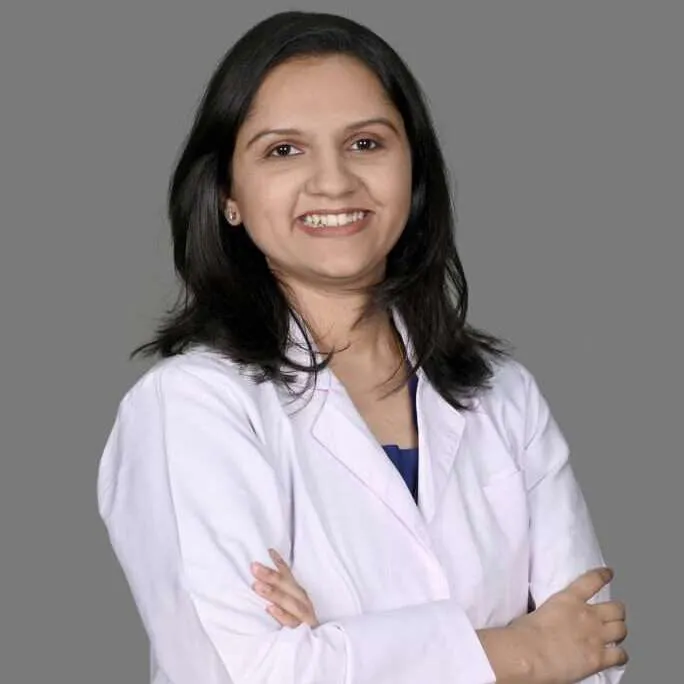
Dr. Pradeep S. and Dr. Kalpa Pandya specialize in managing oral potentially malignant disorders (OPMD) like OSMF. When conservative medical therapies fail to restore adequate function, a surgical intervention known as mouth opening surgery or OSMF release surgery becomes necessary. Our goal is to safely release the tight bands of tissue, restore your mouth opening, and closely monitor your oral health to prevent future complications.
What Causes Oral Submucous Fibrosis and How Does It Progress?
Understanding the underlying cause of oral submucous fibrosis (OSMF) is crucial for successful long-term management. The primary driver of this condition is the habitual use of areca nut, gutka, pan masala, or smokeless tobacco. The chemical compounds in these substances trigger an inflammatory response in the oral mucosa, leading to excessive collagen production and the formation of dense, inelastic fibrous bands.
As the disease progresses, patients typically experience a distinct sequence of symptoms. Recognizing these early warning signs can help you seek timely intervention before severe trismus sets in.
Burning Sensation: A persistent burning feeling in the mouth, especially when eating spicy or hot food.
Mucosal Blanching: The inner lining of the mouth loses its healthy pink color and appears pale, marble-like, or white.
Fibrotic Bands: Hard, rope-like bands that can be felt inside the cheeks, restricting the flexibility of the oral cavity.
Inability to Protrude the Tongue: The fibrous bands can affect the tongue and floor of the mouth, limiting basic movements.
The Importance of Early Diagnosis and Pre-Surgical Planning
Before recommending OSMF surgery in Chennai, our specialists conduct a comprehensive clinical evaluation. Because OSMF is classified as an oral potentially malignant disorder (OPMD), there is a small but significant risk of it progressing to oral cancer. Therefore, our diagnostic approach is highly meticulous, focusing on both functional impairment and tissue health.
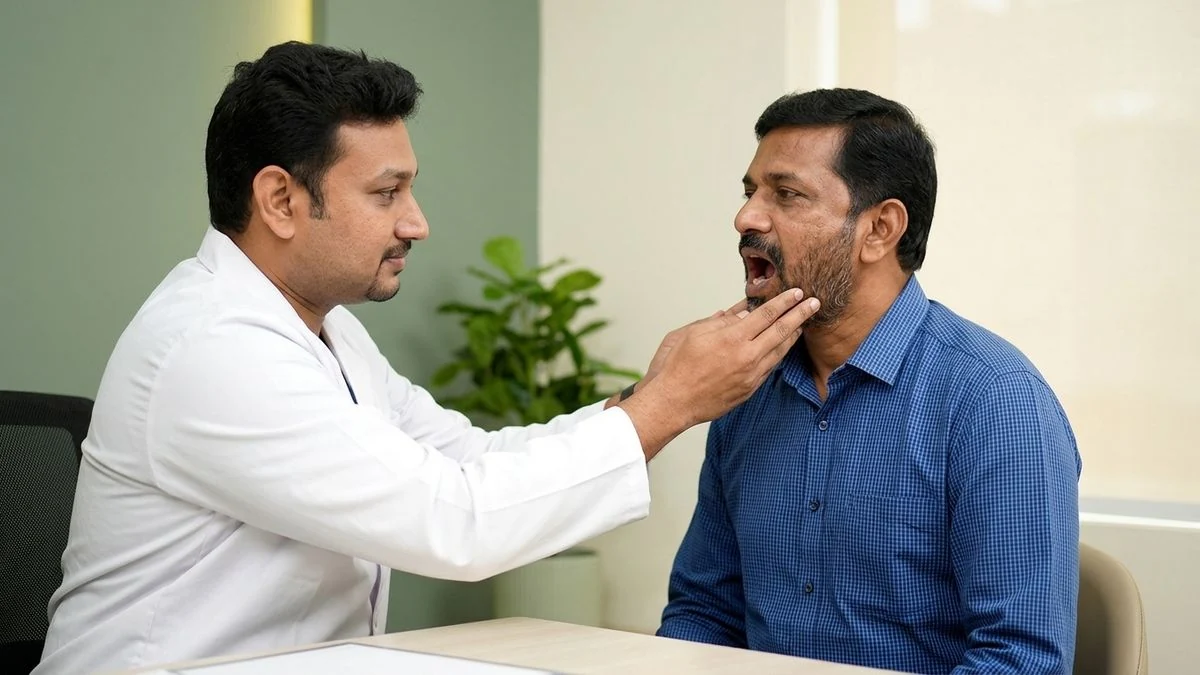
During your initial consultation, Dr. Pradeep S. or Dr. Kalpa Pandya at Apollo Main Hospital will perform a detailed physical examination. We measure your interincisal distance (the maximum distance you can open your mouth) and palpate the fibrotic bands to assess their severity.
Biopsy: A small tissue sample is taken to rule out any early-stage cellular changes or oral cancer.
Imaging Studies: High-resolution scans may be ordered to assess the depth of the fibrotic bands and check the health of the temporomandibular joint (TMJ).
Nutritional Assessment: OSMF often restricts dietary intake, so we evaluate your nutritional status to optimize healing before surgery.
How OSMF Release Surgery is Performed
The primary objective of a fibrotic band release is to surgically excise the rigid scar tissue and restore the natural elasticity of the oral cavity. This procedure is performed under general anesthesia at our affiliated Apollo or partner hospital to ensure patient safety and comfort throughout the surgery.
Dr. Pradeep S. and Dr. Kalpa Pandya collaborate closely during the procedure. The surgical steps are planned with precision to minimize trauma and maximize the post-operative mouth opening.
Surgical Incision: The surgeon makes precise incisions inside the cheek to access and completely excise the dense fibrotic bands.
Temporomandibular Joint Mobilization: If the jaw joint has become stiff from prolonged disuse, gentle mobilization is performed to ensure the jaw can open fully.
Graft Placement: To prevent the raw wound from scarring over and contracting again, the surgical site is covered with a biological graft or a local tissue flap.
Coronoidectomy: In advanced cases where the jaw muscle attachment restricts movement, a minor bone procedure called a coronoidectomy may be performed to achieve adequate release.
Post-Operative Recovery and the Role of Physiotherapy
The success of trismus surgery depends heavily on what happens after you leave the operating room. While the surgery physically releases the tight bands, your body will naturally try to form new scar tissue during the healing process. To prevent this, a strict and aggressive mouth-opening physiotherapy regimen is initiated almost immediately.
Our team will guide you through a structured recovery timeline. The first few weeks require dedication, but the long-term functional benefits are life-changing.
Week 1 to 2: Focus is on pain management, wound healing, and gentle active mouth exercises using specialized spatulas or jaw-exercising devices.
Week 3 to 6: Physiotherapy becomes more intensive. You will practice specific stretching exercises multiple times a day to maintain and improve your mouth opening.
Month 2 and Beyond: Exercises continue daily, alongside regular follow-up visits to monitor tissue healing and ensure no recurrence of the fibrous bands.
Long-Term Surveillance and Preventing Recurrence
Undergoing oral submucous fibrosis treatment is not a one-time event; it requires a lifelong commitment to lifestyle modifications and regular clinical surveillance. The most critical step in preventing recurrence and protecting your health is the complete and permanent cessation of all forms of tobacco, areca nut, and alcohol — our practical guide to quitting tobacco after a pre-cancer diagnosis sets out how to make that stick.
Because OSMF is an oral potentially malignant disorder (OPMD), regular check-ups are vital. Dr. Pradeep S. and Dr. Kalpa Pandya provide continuous, long-term monitoring for all our patients. We closely examine the oral mucosa during every follow-up visit to detect any suspicious changes early — including white patches such as leukoplakia — ensuring you receive timely and proactive care.
Our practice is dedicated to supporting patients throughout their recovery. From the initial diagnosis to surgical intervention and years of follow-up care, we provide a consistent, compassionate, two-surgeon approach. Patients travel to our Chennai practice from across Tamil Nadu and the wider South India region, finding comfort in our dedicated expertise and welcoming environment for outstation consultations and remote second opinions.
What to expect
1Assessment & mouth-opening measurement
2Fibrotic band release
3Graft or flap cover
4Mouth-opening physiotherapy
5Long-term surveillance
OSMF release — watch & learn
Know Your Mouth — Episode 2: A Thick White Line In Your Mouth
Episode 2 of the Know Your Mouth series — what a thick white line (leukoplakia) in the mouth could mean.
Know Your Mouth — Episode 1: Are Fordyce Spots a Sign of Cancer?
Episode 1 of the Know Your Mouth series — whether Fordyce spots are anything to worry about.
Can We Detect Signs Of Oral Cancer At Home?
How to self-check for early warning signs of oral cancer at home, and when those signs mean you should see a specialist.
OSMF release — patient guides
Doctor-written explainers — authored by one surgeon and medically reviewed by the other.
What is oral submucous fibrosis (OSMF) and why does it cause lockjaw?
Oral submucous fibrosis (OSMF) is a chronic condition that causes progressive scarring and hardening of the mouth tissues, usually due to areca nut or gutka use. This scarring creates tight, rope-like bands that restrict jaw movement, leading to a condition called trismus or lockjaw, where opening the mouth becomes difficult.
Who is a suitable candidate for OSMF surgery in Chennai?
Surgery is recommended for patients with advanced OSMF who have severe trismus (mouth opening less than 20 millimeters) that has not improved with conservative treatments like injections or physical therapy. Candidates must be committed to stopping all areca nut/tobacco habits and performing intensive post-operative exercises.
How is mouth opening surgery performed?
Under general anesthesia, Dr. Pradeep S. and Dr. Kalpa Pandya surgically release the tight fibrotic bands inside the cheeks. The raw wounds are then covered with a skin or tissue graft to prevent them from scarring over again. In severe cases, minor jaw joint or muscle release may also be performed.
What is the recovery time after mouth opening surgery?
Initial surgical healing takes about two to three weeks, during which you will be on a soft or liquid diet. However, the complete recovery and rehabilitation phase lasts three to six months. This period requires daily, aggressive mouth-opening physiotherapy to maintain and improve the surgical results.
How much does OSMF surgery cost in Chennai?
The cost of OSMF surgery in Chennai depends on several factors, including the severity of the tissue scarring, the type of graft or flap used for reconstruction, and the choice of hospital facility. During your consultation, our team will provide a detailed cost breakdown and assist you with insurance pre-authorizations.
Can oral submucous fibrosis turn into oral cancer?
Yes, OSMF is classified as an oral potentially malignant disorder (OPMD). While the surgery addresses the physical limitation of mouth opening, it does not eliminate the risk of cancer. This is why long-term surveillance and regular follow-ups with our surgeons are essential.
What are the main risks associated with OSMF release surgery?
The primary risk of OSMF release surgery is the recurrence of tissue tightness (relapse) if the patient does not perform post-operative physiotherapy diligently. Other standard risks include temporary swelling, mild pain, infection, and graft failure, all of which are managed carefully by our surgical team.
How soon can I get an appointment with Dr. Pradeep S. or Dr. Kalpa Pandya?
We offer prompt consultations and second opinions for patients seeking OSMF treatment Chennai. You can schedule an appointment with Dr. Pradeep S. or Dr. Kalpa Pandya at Apollo Main Hospital on Greams Road. Outstation patients can coordinate virtual consultations before traveling.
OSMF release in Chennai
Our oral & maxillofacial surgery (OMFS) practice serves patients across Chennai, with a consulting location at Apollo Main Hospital on Greams Road. We receive patients from nearby localities such as Nungambakkam, T Nagar, Guindy, Vadapalani, and Poonamallee seeking specialized care for oral potentially malignant disorders.
Discuss osmf release
Request a consultation and choose your preferred hospital. Enquiries are triaged and you are directed to the most suitable surgeon and hospital.