Wide local excision removes the oral cancer together with a margin of healthy tissue, with margins confirmed during surgery by frozen section to maximise the chance of complete clearance.
Has an Oral Ulcer or Patch Turned Out to Be Cancer?
Discovering an unusual patch or a non-healing ulcer in your mouth can be deeply concerning. When a clinical evaluation and biopsy confirm the presence of oral cancer, the primary treatment is usually surgical removal. This targeted procedure aims to completely eliminate the disease while preserving your essential oral functions. Early-stage disease is where this operation works best, which is why knowing the early warning signs matters.
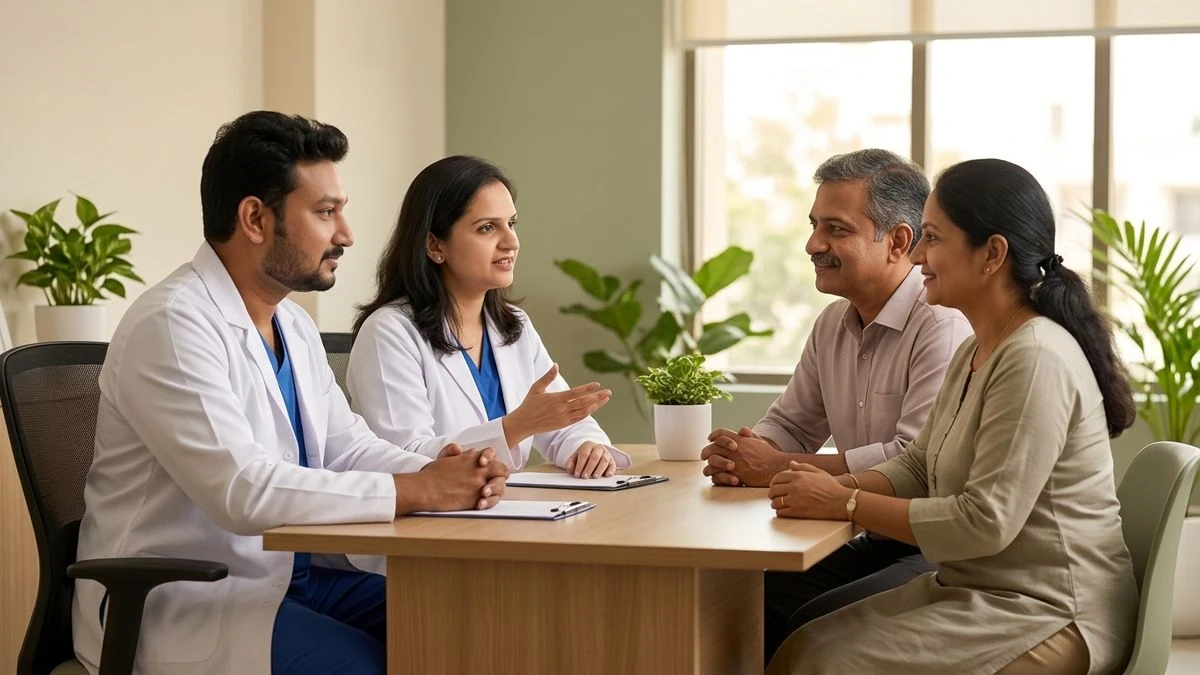
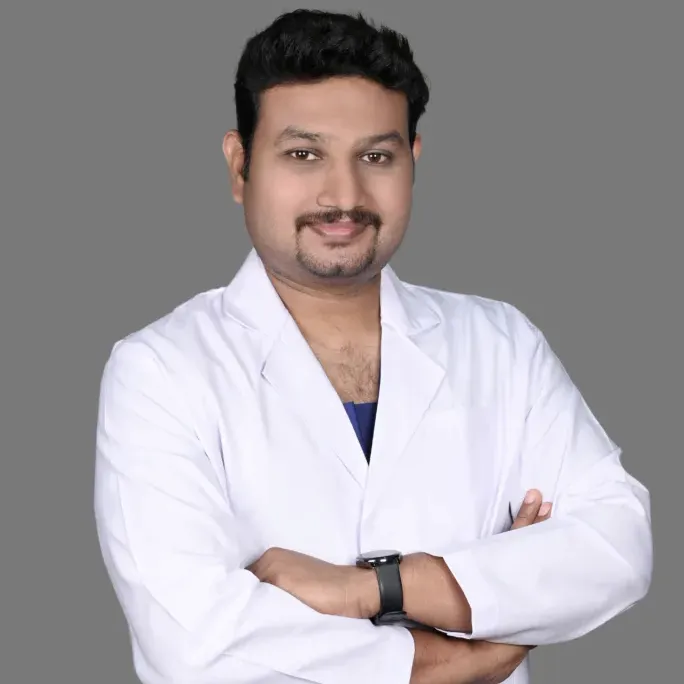
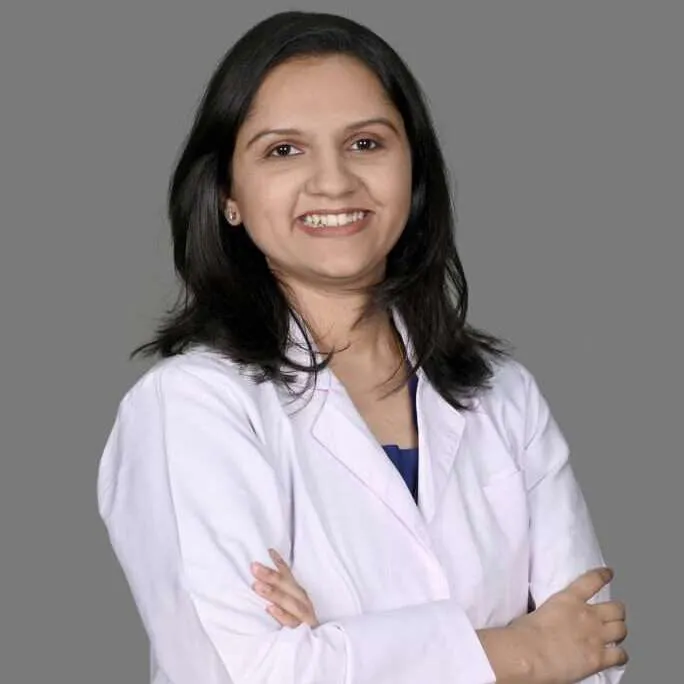
To help you understand your treatment options, Dr. Pradeep S. and Dr. Kalpa Pandya provide detailed clinical evaluations to plan your surgical pathway. The core surgical procedure used to treat localized tumours is known as a wide local excision.
Wide local excision: The surgical removal of a tumour along with a surrounding border of healthy tissue, known as a margin, to ensure no cancer cells are left behind.
Oral & maxillofacial surgery (OMFS): The specialized branch of surgery focusing on the mouth, jaws, face, and neck, which forms the foundation of surgical cancer care in the oral cavity.
Why Tobacco and Gutka Increase the Need for Mouth Cancer Surgery
In Chennai and across South India, chronic mucosal irritation is a major contributor to the development of oral cancers. Regular exposure to harsh carcinogens damages the delicate lining of the mouth over time, leading to cellular changes that can eventually progress to malignancy. Identifying these risk factors early can help in timely intervention and management.
During your consultation, Dr. Pradeep S. and Dr. Kalpa Pandya will evaluate your oral cavity for signs of tissue damage caused by these common irritants.
Oral submucous fibrosis (OSMF): A chronic, progressive disease of the oral cavity characterized by mucosal inflammation and progressive fibrosis, which severely limits mouth opening and increases cancer risk.
Chewing tobacco and gutka: Highly carcinogenic substances that cause direct chemical damage to the oral mucosa, frequently leading to localized tumours.
Chronic dental trauma: Continuous rubbing from a sharp tooth or an ill-fitting denture that causes persistent ulceration and localized cellular changes.
Planning Your Wide Local Excision Oral Cancer in Chennai
A successful surgical outcome begins with meticulous pre-operative planning. Before performing an oral cancer excision, our surgeons map the exact boundaries of the tumour. This planning involves advanced imaging, such as contrast-enhanced scans, to determine the depth of the lesion and check if nearby structures are affected.
Dr. Pradeep S. and Dr. Kalpa Pandya work closely to evaluate your general health and customize a surgical plan that prioritizes complete disease clearance and functional preservation.
Diagnostic biopsy: The removal of a small tissue sample to confirm the exact type and grade of the cancer before surgery.
Advanced imaging: Using computed tomography or magnetic resonance imaging to visualize the tumour boundaries and assess nearby lymph nodes in the neck.
Multidisciplinary coordination: Collaborating with oncology specialists at our affiliated Apollo / partner hospital to ensure a comprehensive, well-rounded treatment approach.
How Tumour Removal with Margins is Performed
The primary goal of mouth cancer surgery is to completely remove the diseased tissue while safeguarding your ability to speak, swallow, and chew. During a wide local excision, the surgeon removes the visible tumour along with a safe border of normal-appearing tissue. This border is critical to ensuring that microscopic cancer cells are not left behind.
This precise procedure is performed under general anaesthesia. Dr. Pradeep S. and Dr. Kalpa Pandya utilize advanced techniques to verify that the edges of the removed tissue are completely free of cancer before concluding the surgery.
Frozen section margins: A rapid pathological analysis performed during surgery where tissue edges are frozen and examined under a microscope to confirm complete clearance.
Safe surgical margin: A buffer zone of healthy tissue, usually one to two centimetres wide, removed around the tumour to minimize the risk of local recurrence.
Selective neck dissection: The removal of specific lymph nodes in the neck to check for and eliminate any early, microscopic spread of cancer cells.
Reconstruction and Restoring Function After Surgery
Removing a tumour from the oral cavity can create a defect that affects your appearance and daily functions. Reconstructive surgery is often performed during the same surgical session to rebuild the area. This immediate reconstruction helps restore the structure of your mouth, allowing for a smoother recovery and better functional outcomes.
Depending on the size and location of the excision, our surgeons utilize various reconstructive techniques to achieve the best possible functional and aesthetic results.
Pectoralis major myocutaneous (PMMC) flap: A reliable reconstructive technique using muscle and skin from the chest to reconstruct moderate-to-large defects in the oral cavity.
Microvascular free flap: An advanced technique where tissue from another part of the body, such as the forearm or leg, is transferred and its blood vessels are reconnected under a microscope.
Open reduction and internal fixation (ORIF): The use of specialized metal plates and screws to stabilize and secure the jawbone if bone resection was necessary.
Temporomandibular joint (TMJ) preservation: Taking precise surgical care to protect the jaw joint and maintain normal, comfortable jaw movement after surgery.
What to Expect During Recovery and Rehabilitation
Recovery after early oral cancer surgery Chennai is a structured, step-by-step process. In the immediate days following surgery, our primary focus is on managing discomfort, ensuring proper wound healing, and maintaining adequate nutrition. You will receive dedicated care from our nursing and supportive teams during your hospital stay. Because this operation is usually done for early-stage disease, most patients recover function quickly — our guide on whether mouth cancer is curable explains what stage means for outlook.
Dr. Pradeep S. and Dr. Kalpa Pandya will monitor your progress closely, providing clear instructions for each phase of your recovery journey.
Phase 1 (Weeks 1 to 2): Focus on initial wound healing, swelling management, and consuming a modified liquid or soft diet.
Phase 2 (Weeks 3 to 6): Gradual transition to soft foods, gentle jaw-opening exercises, and the initiation of speech and swallowing therapy.
Phase 3 (Month 2 and beyond): Long-term follow-up appointments to monitor your oral health, support ongoing rehabilitation, and ensure continued disease-free survival.
Consulting Our Oral & Maxillofacial Surgeons in Chennai
When facing an oral cancer diagnosis, having a consistent, experienced surgical team is vital for your peace of mind. Dr. Pradeep S. and Dr. Kalpa Pandya provide personalized, continuous care from your initial diagnostic consultation through your surgical procedure and long-term follow-up visits. By consulting at Apollo Main Hospital on Greams Road, they ensure you have access to advanced surgical facilities.
Our practice is committed to supporting families through this challenging journey with clear communication, compassionate guidance, and precise surgical expertise. Patients travel to our Chennai practice from across Tamil Nadu and wider South India, and we warmly welcome outstation families seeking remote second opinions or specialized surgical care.
What to expect
1Mapping the tumour
2Excision with margin
3Frozen-section margin check
4Closure or reconstruction
Wide local excision — watch & learn
Oral Cancer Staging: What You Need to Know & Why It's Crucial
An explainer on how oral cancer is staged and why accurate staging is crucial for planning treatment.
Oral Cancer Treatment Guide: Diagnosis, Surgery, Recovery — Dr. Pradeep S.
Dr. Pradeep S. walks through the full oral cancer journey — diagnosis, surgery and recovery — in this Apollo 24|7 feature.
Does Mouth Cancer Spread Due to Biopsy?
Part of the myth-busting series — addressing the fear that a biopsy spreads mouth cancer.
Wide local excision — patient guides
Doctor-written explainers — authored by one surgeon and medically reviewed by the other.
A wide local excision is a surgical procedure to remove an oral tumour along with a surrounding margin of healthy tissue. This healthy border is crucial to ensure that all microscopic cancer cells are completely removed, reducing the risk of the disease returning.
How do Dr. Pradeep S. and Dr. Kalpa Pandya ensure all cancer is removed?
Our surgeons use intraoperative frozen section margins. While you are asleep, a pathologist immediately examines the edges of the removed tissue under a microscope. If any cancer cells are detected at the borders, additional tissue is removed until clear margins are confirmed.
What are the primary risk factors for mouth cancer?
The primary risk factors include chronic tobacco chewing, gutka consumption, smoking, and heavy alcohol use. Persistent irritation from sharp teeth or chronic conditions like oral submucous fibrosis (OSMF) also increase the risk of developing oral cancer.
How much does a wide local excision oral cancer cost in Chennai?
The cost of oral cancer excision in Chennai depends on several factors, including the size of the tumour, whether neck dissection or reconstruction is required, and the hospital stay. We assist patients with insurance pre-authorization and provide detailed cost estimates during the consultation.
What is the recovery time after mouth cancer surgery?
Hospital stay typically ranges from 5 to 10 days depending on the extent of reconstruction. Initial wound healing takes about 2 weeks, while complete functional recovery, including speech and swallowing rehabilitation, can take 6 to 12 weeks.
Will I be able to speak and eat normally after oral cancer excision?
Most patients with early-stage cancers regain normal speech and swallowing. For larger tumours, immediate reconstructive surgery using tissue flaps, followed by structured speech and swallowing therapy, helps restore these essential functions as much as possible.
Is wide local excision for oral cancer covered by medical insurance?
Yes, surgical treatment for confirmed oral cancer is generally covered by most commercial health insurance policies and government health schemes in India. Our administrative team helps coordinate with insurance providers for cashless approval.
How soon can I get an appointment or a second opinion?
We understand the urgency of an oral cancer diagnosis. You can typically secure an appointment with Dr. Pradeep S. or Dr. Kalpa Pandya within 24 to 48 hours. Outstation patients can also request a remote review of their biopsy and scan reports.
Wide local excision in Chennai
We provide comprehensive oral cancer care across Chennai, serving patients near Apollo Main Hospital on Greams Road and surrounding areas like Nungambakkam, Anna Nagar, and Guindy.