Dental Implants in Chennai: Restoring Function and Confidence
An implant replaces the root of a missing tooth. A titanium post is placed into your jawbone, the bone fuses to it, and the new crown is anchored in bone rather than resting on your gum. That is why implants let you chew properly when dentures often do not.
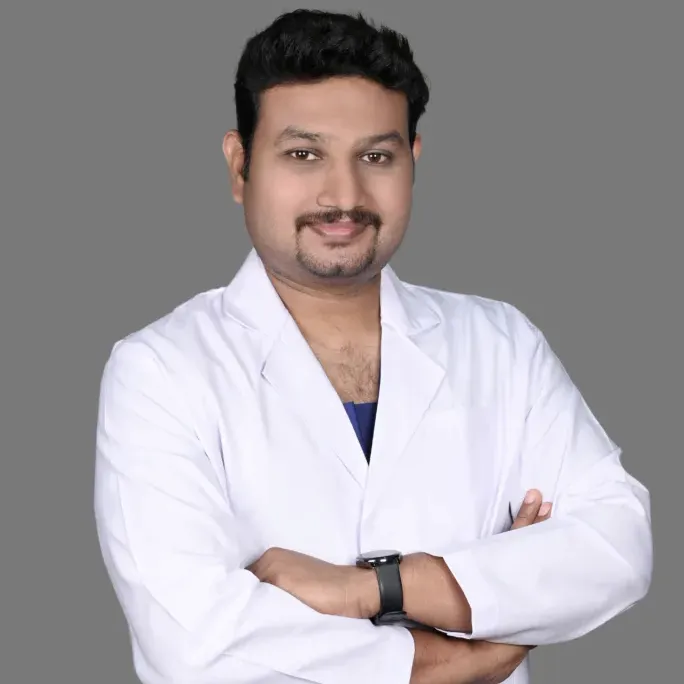
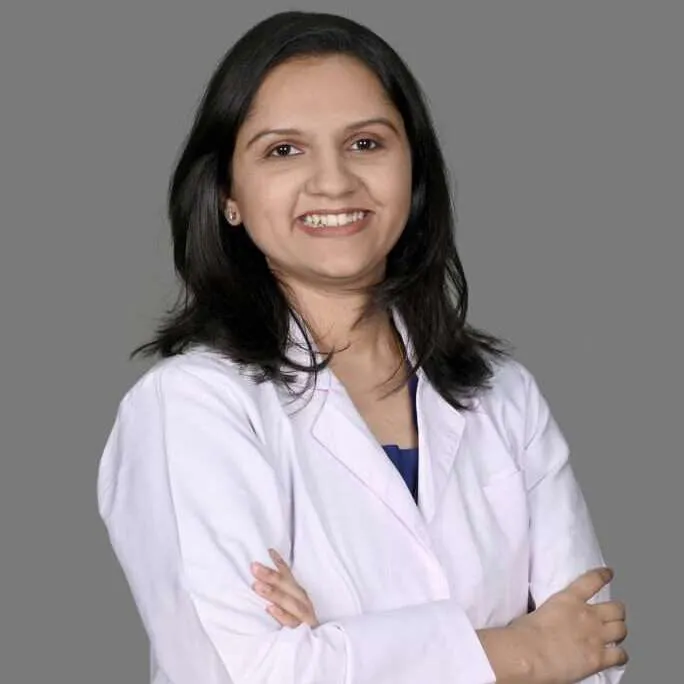
We are oral and maxillofacial surgeons, not cosmetic dentists. Dr. Pradeep S. and Dr. Kalpa Pandya handle the difficult end of implant work: jaws with very little bone left, jaws rebuilt after tumour surgery, and mouths that need surgical preparation first. That may be a single implant for one missing tooth, or full mouth dental implants to restore an entire arch. The plan follows your anatomy and your medical history, not a package.
If your missing teeth are the result of oral cancer surgery or jaw tumour surgery, this is the part of our work we do most. The section below on implants after cancer surgery is written for you.
Pre-prosthetic surgery: preparing the jaw for implants
An implant needs bone to hold it. Before we place one, we check whether you have enough. Teeth that have been missing for years, gum disease, or an old injury all thin the bone down. When bone is short, the mouth has to be prepared surgically first. That preparation is called pre-prosthetic surgery.
Bone grafting rebuilds lost bone volume. Guided bone regeneration encourages new bone to form where we need it. We also reshape the jaw ridge and the gum contours so the finished teeth sit correctly. Getting this groundwork right is what makes an implant last. Jaws damaged by injury are assessed the same way, alongside our facial trauma and ORIF for facial fractures work.
Zygomatic implants for severe bone loss
When the upper jaw has lost a lot of bone, a standard implant has nothing to grip. Zygomatic implants are the alternative to months of grafting.
They are longer than standard implants and are anchored in the cheekbone, the zygoma, instead of the upper jawbone. The cheekbone is solid, so it holds. This gives patients with heavy bone loss stable upper teeth without a prolonged bone grafting programme first, and a faster route to a working bite.
Reconstructive Dental Implants After Cancer Surgery
This is the work that sets our practice apart. After surgery for oral cancer - a mandibulectomy, a maxillectomy, a composite resection - patients are left with missing teeth and missing jaw structure. Chewing, swallowing and speech all suffer. Implants are how we give that function back.
When the jaw has been rebuilt with a fibula free flap, bone taken from the lower leg and moved to the face, implants can be placed into that transplanted bone. This is precise work and it needs planning from the start. Dr. Pradeep S. and Dr. Kalpa Pandya design and carry out these reconstructions together, so the implants land safely and accurately in the new bone. Our wider oral reconstruction service covers the whole path, and we explain what to expect in our guide to dental implants after oral cancer and how fibula free flap jaw reconstruction works.
We also carry out pre-radiation dental clearance. If you are about to start head and neck radiation, we check your mouth first and treat any dental infection before radiation begins. This matters: it protects you against long-term bone complications such as osteoradionecrosis afterwards. Clearance is planned alongside the rest of your multidisciplinary cancer care.
Our Collaborative Treatment and Care Process in Chennai
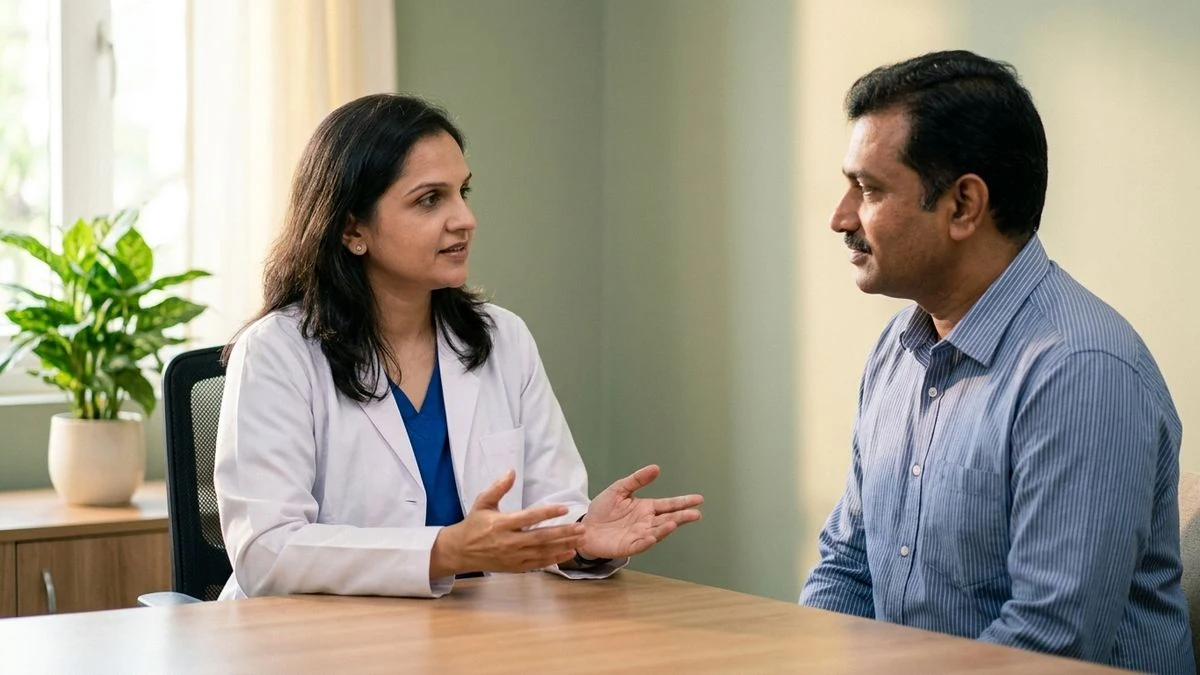
The same two surgeons see you from start to finish. Dr. Pradeep S. and Dr. Kalpa Pandya handle your first consultation and 3D scans, your surgery, and your follow-up visits. Nothing is handed off. That continuity is what keeps a long reconstructive plan on track from the first scan to the final tooth.
We are based in Chennai and see patients from across Tamil Nadu, West Bengal and Bangladesh, and the wider South India and South Asia regions. We speak with Tamil and Bengali-speaking patients and families directly, and we offer a remote second opinion so outstation families can plan the journey before they travel.