OPMD: Oral Potentially Malignant Disorders Treatment in Chennai
in Chennai · Led by both surgeons
Many oral cancers are preceded by potentially malignant disorders. We diagnose, biopsy, treat and keep these conditions under long-term surveillance — the single most effective way to catch malignant change early.
These are pre-cancerous conditions — not cancer, but changes in the lining of the mouth that can turn into cancer if they are left alone. Finding and treating them early is the single best chance you have of never needing cancer surgery at all:
Oral Potentially Malignant Disorders (OPMD) Treatment in Chennai
An oral potentially malignant disorder (OPMD) is a change in the lining of your mouth that carries a risk of turning into oral cancer. It is not cancer yet. That is the point of treating it now: find the change early, manage it properly, and stop it before it transforms.
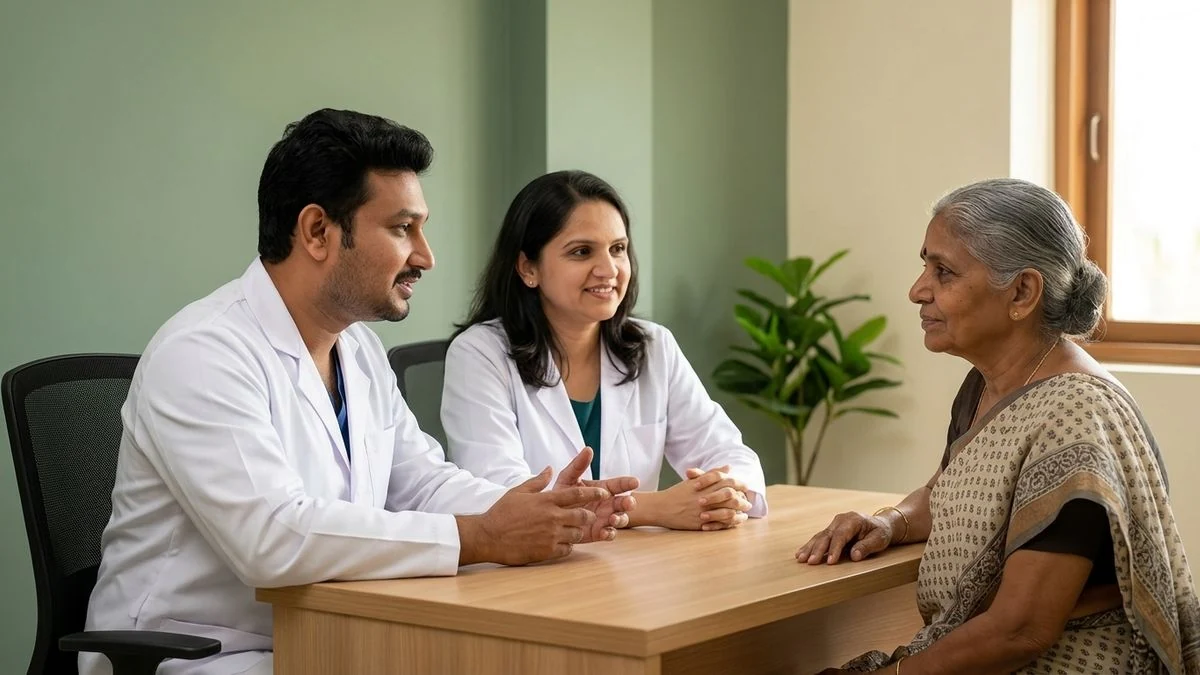
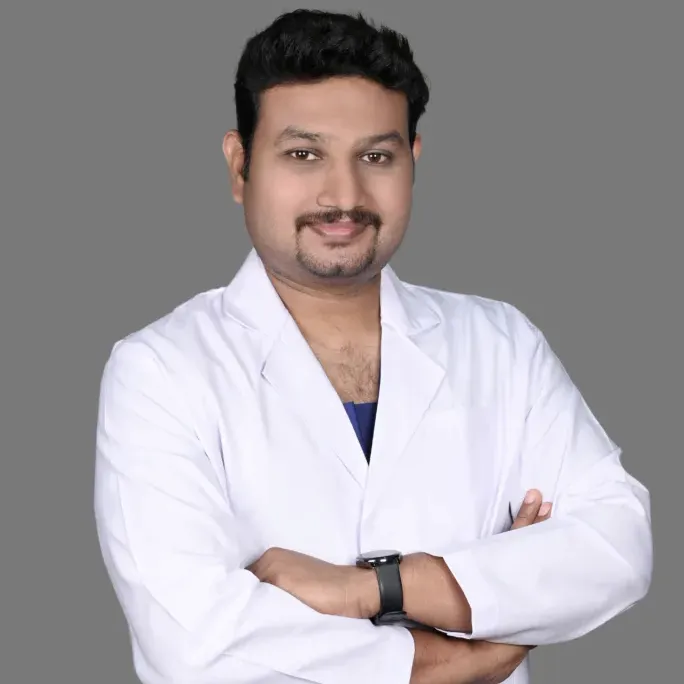
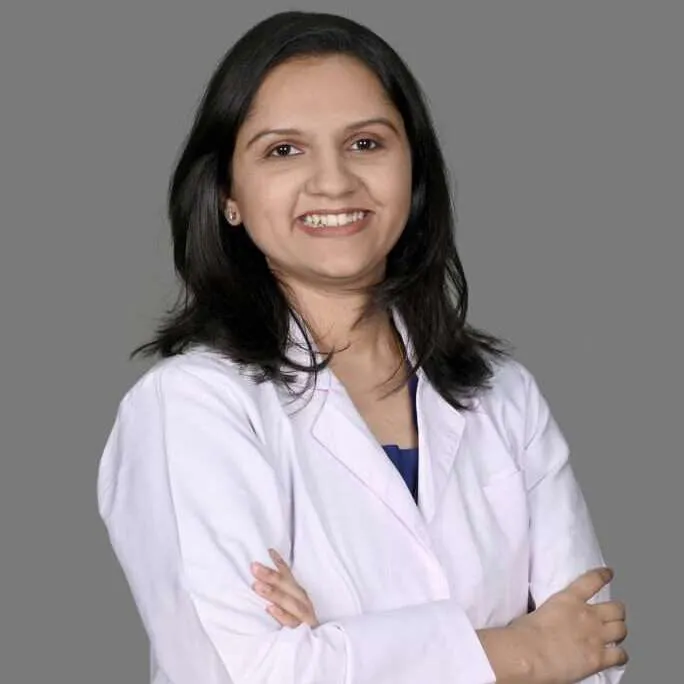
Dr. Pradeep S. and Dr. Kalpa Pandya are oral and maxillofacial surgeons (OMFS), and they lead the clinical team here. You get a full evaluation and a treatment plan built around your lesion, not a generic protocol. If you have been told you have a pre-cancerous oral lesion, a specialist in Chennai should be looking at it, and that is what we do.
Managing Leukoplakia and Other Pre-Cancerous Lesions
We diagnose and manage the full spectrum of OPMD conditions, with the focus on getting the tissue diagnosis right and bringing your risk down. If you have been diagnosed with leukoplakia, we treat it here in Chennai. If you have simply noticed a white patch in your mouth that has not gone away, come and get it looked at.
Leukoplakia: Persistent white patches in the mouth that cannot be rubbed off and require careful biopsy to rule out dysplasia.
Erythroplakia: Red, velvety patches on the oral mucosa that carry a high risk of malignant transformation.
Oral submucous fibrosis (OSMF): A chronic, progressive condition characterized by mucosal stiffness, burning sensation, and restricted mouth opening.
Oral lichen planus: A chronic inflammatory condition affecting the oral mucous membranes, sometimes presenting with painful erosions.
Actinic cheilitis: Pre-cancerous changes on the lips, primarily caused by chronic sun exposure. White spots on the lips that persist should be examined rather than watched.
Proliferative verrucous leukoplakia: An aggressive, multi-focal form of leukoplakia that requires long-term surveillance due to high recurrence rates.
Symptoms and Staging of Oral Submucous Fibrosis (OSMF)
Most patients who come to us with oral submucous fibrosis (OSMF) describe the same things: a burning feeling when they eat spicy food, a mouth that feels stiff, food that tastes different. As it progresses, fibrous bands form in the tissues and your mouth opens less and less. That is trismus, and it is why your mouth will not open properly.
We stage OSMF two ways: clinically and functionally. Clinical staging maps where the fibrotic bands sit, progressing from the faucial pillars to the buccal mucosa and finally the labial bands. Functional staging measures how wide you can actually open your mouth, and that is what guides treatment.
Stage one functional restriction presents with a mouth opening of more than twenty millimetres. Stage two functional restriction ranges between eleven and nineteen millimetres. Stage three functional restriction is severe, with a mouth opening of less than ten millimetres.
OSMF is caused by areca nut, betel quid and tobacco, and chronic nutritional deficiency makes it worse. If you chew gutka or pan masala, that is the cause, and stopping is the first thing we will ask of you.
Medical and Surgical Management Protocols
OPMD treatment in Chennai starts with the habit. Stopping tobacco and areca nut, correcting your nutrition, and using medical or immunomodulatory therapy to settle the inflammation is what halts progression. Quitting after an OPMD diagnosis is not optional advice; it is the treatment. Everything else we do works better when the habit stops.
If conservative measures are not enough, or the biopsy shows advanced tissue changes, you need surgery. We take an incisional or excisional biopsy to establish exactly what the tissue is, then remove high-risk lesions by surgical excision or laser excision.
For advanced OSMF with severe trismus, we perform a surgical OSMF release. We release the tight fibrotic bands and cover the raw areas with healthy tissue, using a buccal pad of fat or a nasolabial flap. In complex cases a coronoidectomy of the jaw is needed to get an adequate mouth opening. Structured physiotherapy afterwards is what keeps that opening. Where a larger defect needs rebuilding, that is handled by our oral reconstruction service.
Long-Term Surveillance and Regional Patient Care
OPMD can come back, and it can appear somewhere new in the mouth. That is why long-term surveillance is the backbone of what we do. At each follow-up, Dr. Pradeep S. and Dr. Kalpa Pandya look for subtle changes you would not notice yourself, so we can act before anything becomes cancer. If you want to understand what we are looking for, read about oral cancer screening.
We are a referral centre for this kind of care. Patients travel to our Chennai clinics from across Tamil Nadu, West Bengal and Bangladesh, and from the wider South India and South Asia regions. If travel is difficult, we offer remote video consultations for a second opinion, and our team supports Tamil- and Bengali-speaking patients throughout treatment.
OPMD — watch & learn
Know Your Mouth — Episode 2: A Thick White Line In Your Mouth
Episode 2 of the Know Your Mouth series — what a thick white line (leukoplakia) in the mouth could mean.
Know Your Mouth — Episode 1: Are Fordyce Spots a Sign of Cancer?
Episode 1 of the Know Your Mouth series — whether Fordyce spots are anything to worry about.
Can We Detect Signs Of Oral Cancer At Home?
How to self-check for early warning signs of oral cancer at home, and when those signs mean you should see a specialist.
Mouth Cancer Awareness — Dr. Pradeep S. on Behindwoods O2 (Tamil)
A Tamil-language interview with Dr. Pradeep S. on recognising and acting early on mouth cancer warning signs.
OPMD — patient guides
Doctor-written explainers — authored by one surgeon and medically reviewed by the other.
What are oral potentially malignant disorders (OPMD)?
OPMD are tissue changes in the mouth that carry a risk of turning into cancer. Leukoplakia and oral submucous fibrosis are the common examples. They are not cancer, and finding them early is what lets us treat you before any malignant transformation happens.
What causes oral submucous fibrosis (OSMF)?
Chewing areca nut, betel quid and tobacco. Nutritional deficiency makes the mucosal stiffness and the restricted mouth opening worse. Stopping the habit is the first step in OSMF management, and nothing else works properly without it.
How is a white patch in mouth Chennai evaluated?
We examine it, and if it has not gone away we biopsy it. A biopsy means taking a small sample of the tissue and looking at it under a microscope for abnormal cells or dysplasia. That is the only way to know whether a persistent white patch is harmless or not.
What surgical procedures are used for severe OSMF?
If your mouth opening is severely restricted, we release the fibrotic bands surgically. The raw areas are then covered with healthy tissue, such as a buccal pad of fat. Physiotherapy after the OSMF release is essential, because that is what keeps the opening you gained.
How much does OPMD treatment cost in Chennai?
It depends on what you actually need: medical therapy, laser excision, or reconstructive surgery. We give you a clear cost breakdown at your consultation, once we know which of those applies to you.
Why is long-term surveillance necessary for pre-cancerous lesions?
Because these lesions can recur, and they can change over time. Regular review means any new abnormal tissue is picked up and treated straight away, which is how we keep your risk of oral cancer down.
Can I get a remote second opinion for OPMD treatment?
Yes. We do remote video consultations for patients across South India and South Asia. You can share your reports and discuss the plan with us before you travel to Chennai. Start with a second opinion.
Who will manage my treatment at your Chennai clinic?
Dr. Pradeep S. and Dr. Kalpa Pandya, personally. The same two surgeons see you from the first diagnostic biopsy through to long-term surveillance. You will not be handed between teams.
OPMD in Chennai
Our practice provides specialized care for oral potentially malignant disorders (OPMD) at leading medical centres in Chennai. Patients can consult Dr. Pradeep S. and Dr. Kalpa Pandya at Apollo Main Hospital on Greams Road, ensuring accessible, high-quality clinical evaluation across the city.
Concerned about opmd?
Request a consultation and choose your preferred hospital. Enquiries are triaged and you are directed to the most suitable surgeon and hospital.