Benign and locally aggressive tumours and cysts of the jaws need precise, function-preserving surgery. We treat the full range of odontogenic and maxillofacial pathology.
Most growths in the jaw are not cancer. Cysts and benign tumours can still destroy bone and move teeth as they grow, so they need removing — and the jaw rebuilding. These are the ones we treat most often:
Most growths in the jaw are not cancer. That is the first thing to know. But a cyst or a benign tumour can still destroy bone, push teeth out of line and change the shape of your face as it grows — so it still needs removing, and the jaw still needs rebuilding.
The earlier this is done, the smaller the operation. A lesion caught on a routine dental X-ray can often be scooped out through the mouth. The same lesion left for two years may need a segment of jaw taken out and replaced. This is why we ask you not to wait and watch a swelling that is getting bigger.
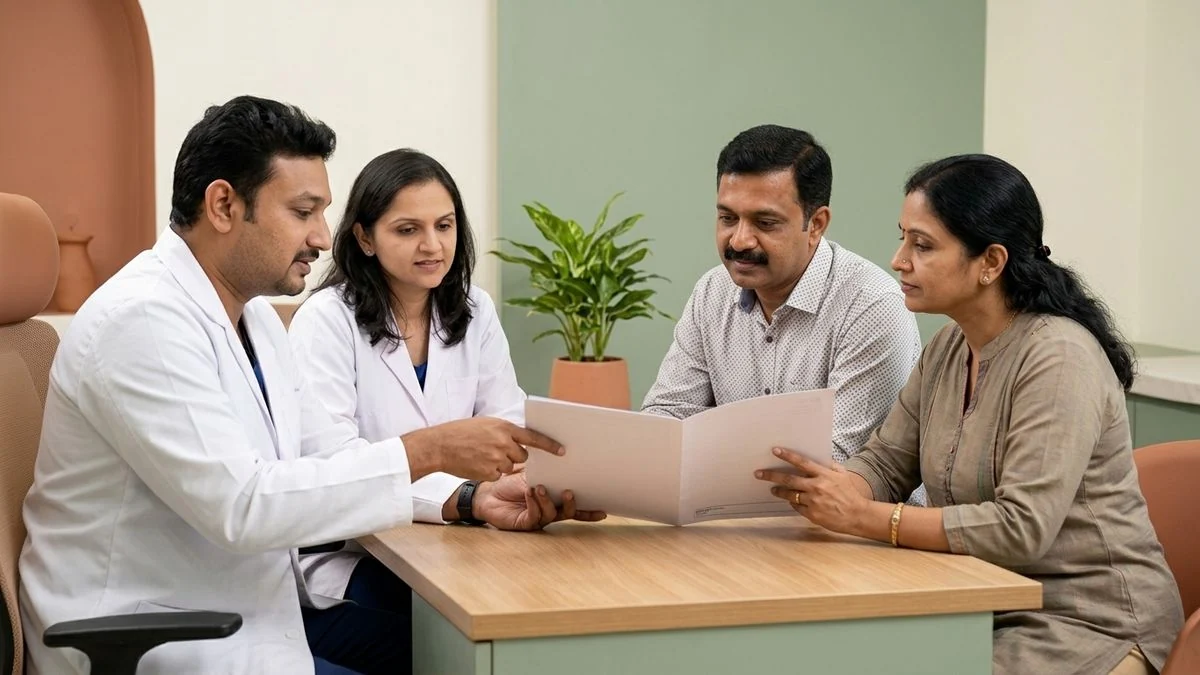
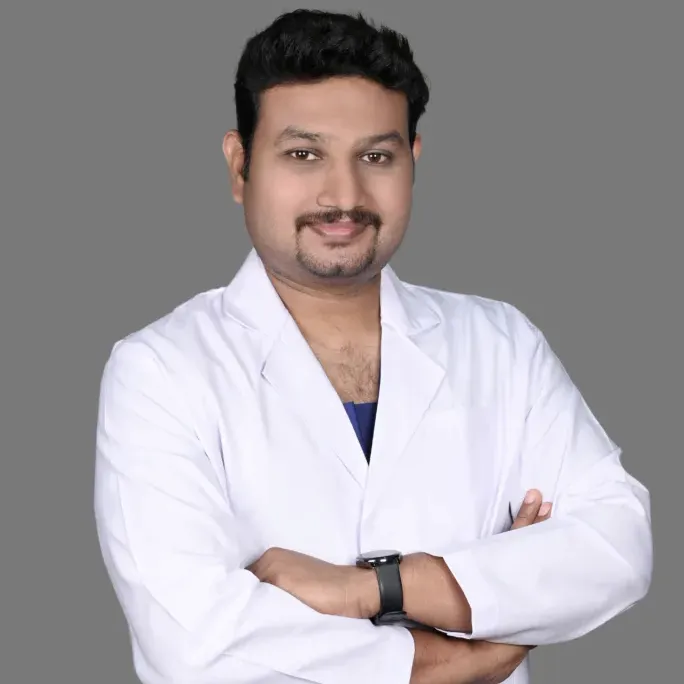
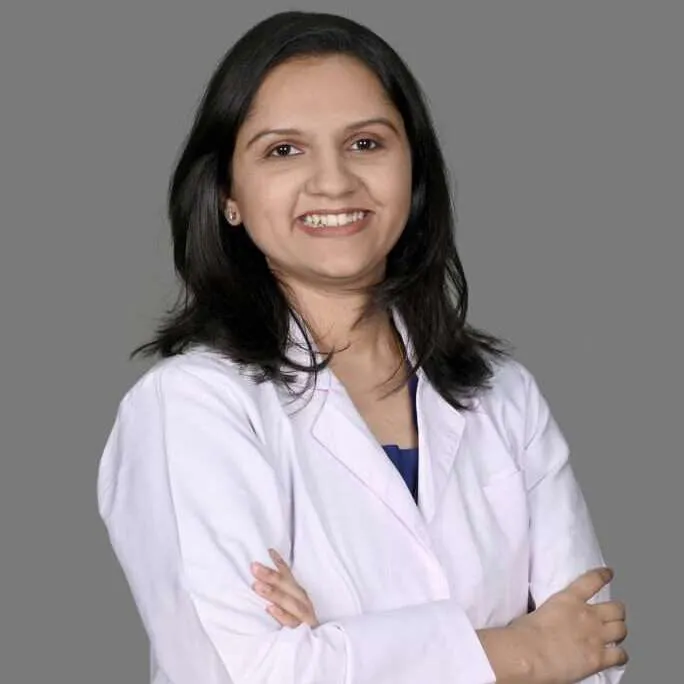
Dr. Pradeep S. and Dr. Kalpa Pandya handle the full range of jaw pathology — benign, locally aggressive and malignant. Both are trained in oral and maxillofacial surgery, so the same surgeons who remove the tumour also plan how your jaw is put back together. If the diagnosis turns out to be malignant rather than benign, you are already in the right place: we also run a full oral cancer service.
Our aim in every case is a clean removal and a jaw you can eat, speak and smile with afterwards. Reconstruction is planned before the tumour is touched, not as an afterthought.
Common Jaw Tumours and Cysts We Treat
Jaw growths come from one of two places: the tissues that once formed your teeth, or the jawbone itself. Which one it is decides how much surgery you need — so naming the lesion correctly matters more here than almost anywhere else in the mouth.
Ameloblastoma and Odontogenic Tumours
Ameloblastoma: a slow-growing benign tumour of the jawbone. It does not spread to other organs, but it eats into bone locally and comes back if any of it is left behind — so it has to be taken out with a margin of healthy bone around it.
Odontogenic keratocyst (OKC): a benign cyst with a stubborn habit of recurring. The lining is thin and clings to bone, which is why we use specific techniques — enucleation with chemical cauterisation, or decompression first to shrink it — rather than simply cutting it out.
Dentigerous and radicular cysts: fluid-filled sacs that form around the crown of an unerupted tooth, or at the root of a tooth that has been infected. These are the most common cysts we see and usually the most straightforward to remove.
Other Maxillofacial Pathologies
Pleomorphic adenoma: the most common benign salivary gland tumour, usually in the parotid gland or a minor salivary gland.
Mucocele and ranula: mucus-filled cysts in the lip, cheek or under the tongue, caused by a blocked salivary duct.
Fibrous dysplasia: normal bone is replaced by fibrous tissue, causing swelling or a weak spot in the jaw.
Central giant cell granuloma: a benign lesion that dissolves bone from the inside.
Osteoma and osteoblastoma: benign bone-forming tumours of the facial skeleton.
Advanced Surgical Procedures for Jaw Pathology
How much we take out depends on the size of the lesion, where it sits, and how aggressively it behaves. The principle is the same throughout: remove all of the disease, and keep every millimetre of healthy jaw we safely can.
Conservative Cyst and Tumour Removal
Cyst enucleation: the whole cyst lining is lifted out in one piece, leaving the surrounding bone and the nerve intact. Most cysts are dealt with this way.
Marsupialisation and decompression: for a very large cyst, we open a window in its wall first and let it drain. Over weeks the cyst shrinks and bone fills in behind it, so the final operation is far smaller than it would have been.
Resection and Reconstruction
Jaw resection: for an aggressive tumour such as ameloblastoma, a segment of jawbone is removed along with the lesion. A mandibulectomy removes part of the lower jaw; a maxillectomy removes part of the upper jaw and palate.
Reconstructive surgery: the gap is rebuilt in the same operation, using bone grafts or microvascular free flaps such as the deep circumflex iliac artery (DCIA) flap. If you want to understand how the options compare, we explain them in plain language in our guide to free flap versus PMMC jaw reconstruction.
Once the bone has healed, rebuilt jaws can often take dental implants, which is what restores real chewing rather than just facial shape.
What to Expect During Your Treatment
It starts with a scan. A cone beam CT (CBCT) or an MRI shows us exactly how far the lesion extends inside the bone — far more than an ordinary dental X-ray can. Dr. Pradeep S. and Dr. Kalpa Pandya read every scan themselves and plan the operation from it. If a lesion looks aggressive, a biopsy tells us what we are dealing with before we commit to anything.
The surgery itself is done under general anaesthesia in a full hospital theatre. Afterwards you are monitored closely, your pain is controlled, and you move through a staged diet — liquids, then soft food, then normal — while the bone knits. If reconstruction was needed, that healing takes longer, and we will tell you plainly at what point you can expect to be back to normal food.
You will not be handed between doctors. The two surgeons who planned your case are the two who operate and the two who see you at follow-up.
Why See a Specialist Jaw Tumour Surgeon in Chennai
Jaw tumour surgery sits at the join of two skills: taking the disease out completely, and putting the face back together. A surgeon who only does one of those will compromise on the other. Dr. Pradeep S. and Dr. Kalpa Pandya do both, so the removal is never quietly cut short to make the reconstruction easier, and the reconstruction is never an improvisation at the end of a long case.
With over a decade of combined experience, they work together on every case — from the first consultation through long-term follow-up you see the same two specialists.
We welcome patients from across Tamil Nadu, West Bengal, and Bangladesh, as well as the wider South India and South Asia regions. Our team is fluent in Tamil, English, and Bengali, ensuring comfortable communication. If you already have a diagnosis and want it checked, we offer remote second opinions and dedicated support for outstation patients travelling to Chennai.
Maxillofacial Tumours — watch & learn
From Tumor to Triumph: Teen's Jaw Surgery Journey
A teenage patient’s journey through jaw-tumour surgery and recovery with the Mouth Cancer Surgeons team.
Oral Cancer Treatment Guide: Diagnosis, Surgery, Recovery — Dr. Pradeep S.
Dr. Pradeep S. walks through the full oral cancer journey — diagnosis, surgery and recovery — in this Apollo 24|7 feature.
Is Mouth Cancer Surgery Possible with Minimal Scar?
On scar-conscious, function-preserving approaches to mouth cancer surgery.
Maxillofacial Tumours — patient guides
Doctor-written explainers — authored by one surgeon and medically reviewed by the other.
It depends on what the growth is. Benign cysts are usually removed by enucleation, or by marsupialisation first if they are very large. An aggressive tumour such as ameloblastoma needs a segment of jawbone taken out with it, and the jaw rebuilt with a bone graft or a free flap in the same operation. The aim in both cases is the same: get all of it out, and leave you able to chew.
How do I know if I have an ameloblastoma?
You often do not — that is the difficulty. Early on it causes no symptoms at all and is usually spotted by chance on a routine dental X-ray. As it grows it produces a painless swelling of the jaw, teeth that begin to shift or loosen, or one side of the face looking fuller than the other. If a jaw swelling has been there for weeks and is not going away, get it looked at rather than waiting to see if it hurts.
How long does recovery take after jaw cyst or tumour surgery?
The gums heal in about two to three weeks, and most people are back to light activity within a fortnight. If bone grafting or jaw reconstruction was part of the operation, the bone itself takes three to six months to heal fully — that is bone biology, and it cannot be rushed.
Is surgery always needed for an odontogenic keratocyst (OKC)?
Yes. An OKC will keep growing and keep destroying jawbone if it is left, and it has a high rate of coming back if it is not removed properly. Treatment is enucleation combined with chemical cauterisation of the bone cavity, or decompression first to shrink a large cyst before the final removal.
How much does jaw tumour surgery cost in Chennai?
The cost depends on the tumour type, how extensive the surgery is, whether reconstruction is needed, and the hospital and room category you choose. We give you a clear, itemised estimate after we have reviewed your scans, and our team helps with insurance pre-authorisation.
Are jaw tumour surgeries covered by medical insurance in Chennai?
Yes. Most major health insurance policies cover surgery for jaw tumours and cysts, because these are medically necessary procedures, not cosmetic ones. Our administrative team handles the pre-authorisation and documentation at Apollo Main Hospital.
How soon can I get an appointment or second opinion?
Quickly — and if the swelling is growing, tell us that when you call, because we prioritise it. You can request a consultation at Apollo Main Hospital on Greams Road, or ask for a remote video second opinion first if you are travelling from outside Chennai.
Who will perform my surgery at your Chennai practice?
Dr. Pradeep S. and Dr. Kalpa Pandya, together. The same two surgeons do your diagnosis, your surgical planning, your operation and your follow-up. You will not be passed to a junior on the day.
Maxillofacial Tumours in Chennai
Our surgeons consult at Apollo Main Hospital on Greams Road, a leading medical institution in central Chennai. This central location allows us to provide accessible, high-quality care to patients from all parts of Chennai and neighbouring districts in Tamil Nadu.
Concerned about maxillofacial tumours?
Request a consultation and choose your preferred hospital. Enquiries are triaged and you are directed to the most suitable surgeon and hospital.