Facial injuries are restored to correct alignment, function and appearance — from simple dento-alveolar trauma to complex panfacial fractures, in adults and children.
Facial fractures need fixing early, while the bones can still be put back in their original position — usually within the first two weeks. We treat the full range of facial injury:
Facial Trauma Surgery in Chennai: Immediate Maxillofacial Care
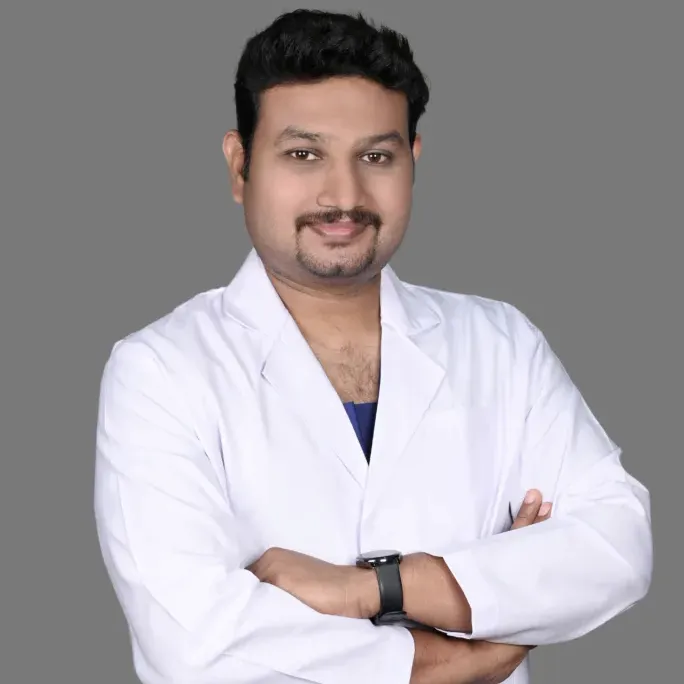
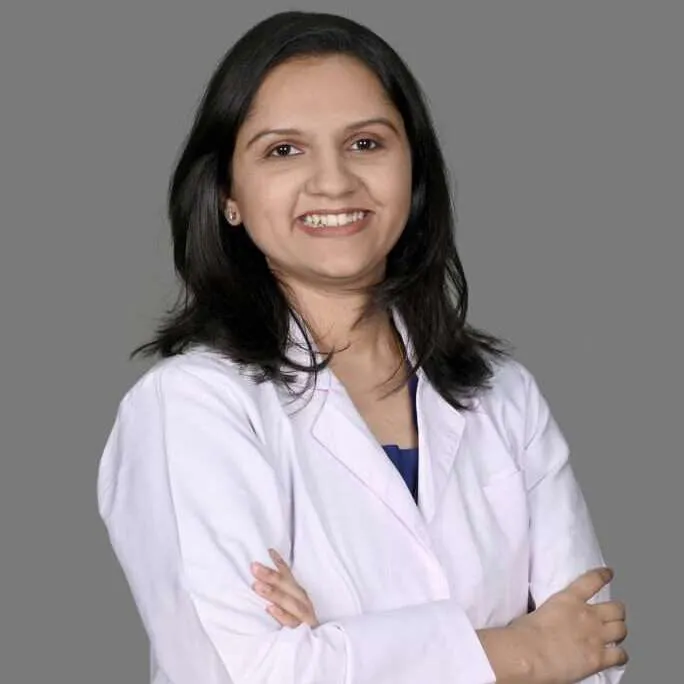
A facial injury rarely gives you time to prepare. It happens in a road traffic accident, a fall, a sports collision, or an assault. The bones of the face are thin, close together, and carry a lot of work: chewing, swallowing, breathing, and the way you look. Putting them back correctly takes specialist training. Dr. Pradeep S. and Dr. Kalpa Pandya lead a team that handles emergency and complex facial injuries as part of our wider oral and maxillofacial surgery practice.
The aim is simple: get every bone back to where it was, so the face works and looks the way it did before. That means precise realignment, careful incisions, and as little external scarring as possible. Both surgeons are available for emergency consultations at major tertiary hospitals in Chennai, and both bring years of reconstructive experience to each case. If you are unsure whether what you are dealing with is a fracture, the signs to look for are set out in our guide to broken jaw symptoms and first steps.
Common Facial and Jaw Fractures We Treat
A facial injury can break one bone or several at once, and each pattern needs its own plan. These are the fractures we see and treat most often in Chennai.
Mandibular fractures: breaks in the lower jaw bone. They change how your teeth meet and make chewing difficult. If your jaw will not open or close properly after an injury, read about why a jaw locks and when to see a surgeon.
Maxillary Le Fort fractures: breaks in the upper jaw bone. These can destabilise the midface and throw off the way your upper and lower teeth fit together.
Zygomatic complex fractures: the cheekbone. A break here flattens the cheek, affects facial symmetry, and takes away support from the eye socket, so cheekbone fracture surgery is often needed. Our guide on cheekbone (zygomatic) fractures explains what to expect.
Naso-orbito-ethmoid (NOE) fractures: complex injuries to the nose and the delicate bones sitting between the eyes and the nasal cavity.
Orbital floor fractures: blowout fractures of the eye socket. Left untreated, they can cause double vision or leave the eyeball sitting out of position.
Dento-alveolar trauma: injuries to the teeth and the bone that holds them in place.
Panfacial and paediatric facial trauma: several facial bones broken at once, or fractures in a child, where the plan has to allow for a face that is still growing.
Advanced Surgical Procedures for Facial Reconstruction
When facial bones are broken or shifted out of place, surgery is usually needed to hold the skeleton steady while it heals. Which method we use depends on the fracture, not on preference.
Open reduction and internal fixation (ORIF): the main operation for unstable fractures. In ORIF for facial fractures, the surgeon makes discreet incisions, moves the broken bones back into position by hand, and fixes them there with biocompatible titanium plates and screws. We perform mandibular, Le Fort, and zygomatic ORIF.
Closed reduction with maxillomandibular fixation (MMF): some fractures can be managed without opening the face. MMF holds the upper and lower teeth together with wires or bands, keeping the jaw in the right position while the bone knits on its own.
Orbital floor reconstruction: for eye socket fractures, we rebuild the thin bony floor with titanium mesh or a graft. This puts the eye back in its proper position and prevents long-term vision problems.
Where an injury has taken away bone or soft tissue rather than simply cracking it, the repair moves into oral and facial reconstruction. Where teeth have been lost along with the bone, rebuilding the bite may involve full-arch dental implants.
What to Expect During Your Recovery
How long recovery takes depends on how bad the injury was and which operation you had. Patients who have ORIF usually get back to normal function sooner, because the titanium plates hold the bones rigidly in place from day one.
For the first few weeks you will be on a soft or liquid diet, so nothing presses on the healing bones. You will come back for regular follow-ups so we can check how the bone is knitting, confirm your bite is meeting correctly, and look after the wounds.
Most people are back to light activity in two to three weeks. Full bone healing usually takes six to eight weeks. You will get step-by-step instructions in writing before you go home, so you are never guessing about what you can eat, lift, or do next.
If your jaw stays stiff, clicks, or hurts long after the fracture has healed, that is worth having looked at. See our page on TMJ and jaw joint disorders.
Why Choose Our Maxillofacial Trauma Surgeons?
Dr. Pradeep S. and Dr. Kalpa Pandya work on every case together. From the first emergency assessment to the last follow-up, you get two qualified reconstructive surgeons on your injury, not one.
Dr. Pradeep S. has extensive experience in complex head and neck reconstruction. Dr. Kalpa Pandya brings over a decade of work in facial trauma and full dental implant rehabilitation. Between them, the goal on every case is the same: a face that looks like yours and a bite that works.
Accessing Emergency Maxillofacial Trauma Care
If you or someone in your family has had a facial injury, get it assessed by a specialist quickly. Delay is what leads to chronic pain, a bite that no longer meets, or a face that heals crooked. We arrange fast admissions and emergency consultations at our affiliated Chennai hospitals so urgent cases are not left waiting. If you are not sure who to see or what the specialty even covers, start with what maxillofacial surgery is.
We see patients from across Chennai and Tamil Nadu, and from West Bengal, Bangladesh, and the wider South India and South Asia region. Outstation and international patients are welcome, and we offer remote second opinions and consultations before you travel. Whether you speak Tamil or Bengali, our team will explain what is happening in language you can follow.
Facial Trauma — watch & learn
From Tumor to Triumph: Teen's Jaw Surgery Journey
A teenage patient’s journey through jaw-tumour surgery and recovery with the Mouth Cancer Surgeons team.
Oral Cancer Treatment Guide: Diagnosis, Surgery, Recovery — Dr. Pradeep S.
Dr. Pradeep S. walks through the full oral cancer journey — diagnosis, surgery and recovery — in this Apollo 24|7 feature.
Is Mouth Cancer Surgery Possible with Minimal Scar?
On scar-conscious, function-preserving approaches to mouth cancer surgery.
Facial Trauma — patient guides
Doctor-written explainers — authored by one surgeon and medically reviewed by the other.
Facial trauma surgery is the part of oral and maxillofacial surgery that repairs injuries to the mouth, jaws, teeth, and facial bones. The goal is twofold: get function back, so you can chew and breathe normally, and restore the natural appearance of the face after an accident or injury.
How is a jaw fracture treated in Chennai?
It depends on how bad the break is. A minor fracture may be treated with closed reduction and maxillomandibular fixation (MMF), where the teeth are wired together while the bone heals. A more severe or displaced fracture needs open reduction and internal fixation (ORIF), using small titanium plates and screws to hold the bone in place.
What is open reduction and internal fixation (ORIF)?
ORIF is surgery to fix a broken facial bone in position. The surgeon makes a precise incision to reach the fracture, moves the fragments back where they belong (the reduction), and secures them with biocompatible titanium plates and screws (the fixation) so the bone heals stable.
What is the recovery time after facial fracture surgery?
Most patients get back to light, non-strenuous activity within two to three weeks. Complete bone healing usually takes six to eight weeks. Through that period you stay on a soft or liquid diet so nothing puts pressure on the healing facial bones.
How much does jaw fracture treatment cost in Chennai?
The cost varies with how complex the fracture is, which operation is needed (ORIF or MMF), how long you stay in hospital, and the materials used. We give you a clear cost estimate at your consultation, before anything is booked.
Is emergency maxillofacial surgery covered by insurance?
Yes. Maxillofacial trauma treatment that follows an accident or injury is typically covered by most health insurance policies. Our administrative team at Apollo Main Hospital helps with the pre-authorisation and claims paperwork.
Who will perform my facial trauma surgery?
Both Dr. Pradeep S. and Dr. Kalpa Pandya. Our two-surgeon model means the same two specialists handle your diagnosis, your surgical plan, and your follow-up care.
Where can I consult with a facial fracture surgeon Chennai?
At Apollo Main Hospital on Greams Road. If you are travelling from outside Chennai, we also offer remote second opinions before you make the trip. If you are not sure your injury needs a surgeon at all, our guide to broken jaw symptoms and first steps is a good place to start.
Facial Trauma in Chennai
Our surgeons consult at leading medical centres in Chennai. Dr. Pradeep S. and Dr. Kalpa Pandya see patients at Apollo Main Hospital on Greams Road. This central location allows us to provide prompt, accessible emergency maxillofacial trauma care across Chennai and Tamil Nadu.
Concerned about facial trauma?
Request a consultation and choose your preferred hospital. Enquiries are triaged and you are directed to the most suitable surgeon and hospital.