Maxillectomy removes the cancer-bearing part of the upper jaw. We restore the defect with an obturator or reconstruction so you can eat and speak, and plan dental rehabilitation.
Fearing a Growth on Your Roof of Mouth or Upper Jaw?
Discovering an unusual lump, swelling, or non-healing ulcer on the roof of your mouth can be an anxious experience. The upper jaw, medically known as the maxilla, plays a vital role in supporting your teeth, separating your mouth from your nasal cavity, and shaping your mid-face. When tumours or aggressive infections affect this area, a specialized surgical procedure called a maxillectomy may be necessary. This surgery involves the precise removal of the diseased portion of the upper jaw to ensure all unhealthy cells are completely cleared.
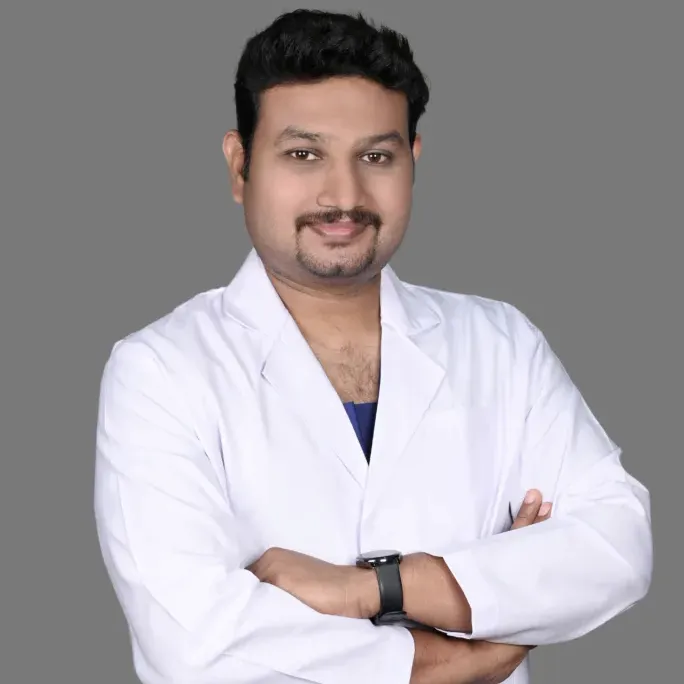
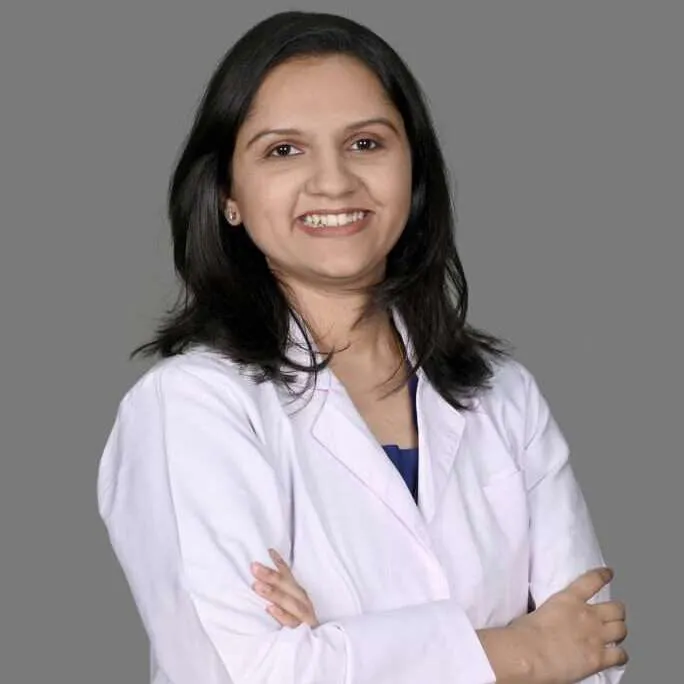
At our practice, Dr. Pradeep S. and Dr. Kalpa Pandya guide you through every step of this journey with clarity and empathy. As specialists in oral & maxillofacial surgery (OMFS), they understand how deeply this procedure impacts your daily life, from eating and speaking to your self-confidence. Their goal is not just to treat the disease, but to plan your reconstruction from day one so you can return to your normal routine as smoothly as possible.
Understanding Upper Jaw and Palate Cancers
Cancers of the upper jaw and palate often begin in the thin, flat squamous cells that line the inside of the mouth. In India, chronic irritation of the oral tissues is a major contributing factor to these conditions. Habits such as chewing tobacco, gutka, or betel nut (areca nut), along with smoking and heavy alcohol consumption, significantly increase the risk of developing oral malignancies that require oral cancer surgery. These habits can also lead to chronic conditions like oral submucous fibrosis (OSMF) or other oral potentially malignant disorders (OPMD), which require close monitoring.
Recognizing early warning signs can make a profound difference in treatment outcomes. We advise patients to seek a professional evaluation if they notice any of the following persistent changes:
Loosening of upper teeth: Teeth that become loose without any underlying gum disease or trauma.
Non-healing ulcer: A sore on the roof of the mouth or gums that does not heal within two weeks.
Nasal symptoms: Unexplained nasal blockage, nosebleeds, or fluid leaking from one side of the nose.
Facial changes: Swelling of the cheek, pain in the mid-face, or a change in how your dentures fit.
How We Diagnose and Plan Your Upper Jaw Surgery
An accurate diagnosis is the foundation of a successful treatment plan. When you consult with Dr. Pradeep S. and Dr. Kalpa Pandya, they perform a comprehensive clinical examination of your oral cavity, face, and neck. To understand the exact boundaries of the tumour and its relationship to nearby structures like the sinuses and eye sockets, advanced imaging is essential.
We coordinate a detailed diagnostic workup to ensure no detail is overlooked. This process typically involves:
Biopsy: A small tissue sample is taken from the lesion and analyzed by a pathologist to confirm the diagnosis.
CT scan: High-resolution computed tomography scans help visualize the bone involvement of the maxilla.
MRI scan: Magnetic resonance imaging provides clear details of soft tissue involvement and nerve pathways.
Nasal endoscopy: A thin, lighted scope may be used to inspect the nasal cavity and sinuses.
What Happens During Maxillectomy Upper Jaw Surgery?
A maxillectomy is a highly controlled surgical procedure performed under general anesthesia. The primary objective of upper jaw cancer surgery is to remove the tumour completely with safe margins while preserving as much healthy tissue and function as possible. The extent of the surgery depends entirely on the size and location of the lesion.
Depending on your specific diagnosis, Dr. Pradeep S. and Dr. Kalpa Pandya will perform one of the following variations:
Partial maxillectomy: The removal of a small portion of the upper jaw, often leaving the main structure of the palate intact.
Subtotal maxillectomy: The removal of a larger portion of the maxilla, which may open a connection between the mouth and the nasal sinus.
Total maxillectomy: The complete removal of one side of the upper jaw, which requires immediate or delayed reconstruction.
Radical maxillectomy: The removal of the entire upper jaw along with adjacent structures, such as the floor of the orbit (eye socket), which is carefully coordinated with the wider surgical team at our affiliated Apollo / partner hospital.
Restoring Your Smile and Function: Reconstruction Options
Rebuilding the upper jaw is just as crucial as removing the disease. When a portion of the palate or maxilla is removed, a space is created between the mouth and the nasal cavity. Without reconstruction, this gap makes speaking and swallowing food or liquids normally very difficult. Fortunately, modern oral & maxillofacial surgery (OMFS) offers highly effective ways to restore these functions.
We plan your rehabilitation simultaneously with your tumour removal. The main approaches to restoration include:
Maxillary obturator: A specialized, custom-made prosthetic device similar to a dental retainer that seals the defect in the roof of the mouth, allowing immediate speech and swallowing.
Microvascular free flap reconstruction: Using tissue and bone from another part of your body, such as the fibula (leg bone), to reconstruct the jaw. This bone is secured using open reduction and internal fixation (ORIF) with small titanium plates.
Pectoralis major myocutaneous (PMMC) flap: A reliable soft tissue flap from the chest used occasionally to close larger defects when bone reconstruction is not required.
Dental rehabilitation: Once the reconstructed jaw has healed, dental implants can be placed to support a permanent set of prosthetic teeth.
Your Recovery Timeline After Upper Jaw Surgery
Recovering from a maxillectomy is a step-by-step process that requires patience and consistent care. Immediately after surgery, you will spend a few days in the hospital where our team will monitor your healing, manage your comfort, and help you adapt to your temporary obturator or reconstruction. Our goal is to ensure you feel supported and secure at every phase of your recovery.
We also monitor the temporomandibular joint (TMJ) to ensure jaw movement remains smooth and comfortable. Here is a general timeline of what you can expect during your healing journey:
Week 3 to 6: Swelling decreases significantly, speech begins to sound clearer, and you will work closely with our team to adjust your obturator.
Month 3 and beyond: The surgical site matures completely, allowing for the fabrication of a highly precise, comfortable, and permanent maxillary obturator or the initiation of dental implant placement — see how implants are planned after oral cancer.
Expert Maxillofacial Oncology Care in Chennai
Choosing the right surgical team is vital when facing complex upper jaw cancer surgery or palate cancer surgery. Dr. Pradeep S. and Dr. Kalpa Pandya provide a unique, continuous care model where the same two surgeons handle your case from your very first consultation, through the intricate surgery, and during all your long-term follow-up visits. This ensures deep familiarity with your clinical history and a seamless, highly personalized treatment experience.
For advanced cases requiring multi-specialty intervention, our surgeons work in close coordination with the wider oncology and rehabilitative teams at our affiliated Apollo / partner hospital. This collaborative approach guarantees that you receive comprehensive care under one roof, utilizing advanced surgical infrastructure. Our compassionate team welcomes patients who travel to our Chennai practice from across Tamil Nadu and the wider South India region, offering dedicated support for outstation families and those seeking remote second opinions.
What to expect
1Planning & prosthetic workup
2Resection with margins
3Obturator or reconstruction
4Prosthetic / dental rehabilitation
Maxillectomy — watch & learn
Oral Cancer Staging: What You Need to Know & Why It's Crucial
An explainer on how oral cancer is staged and why accurate staging is crucial for planning treatment.
Oral Cancer Treatment Guide: Diagnosis, Surgery, Recovery — Dr. Pradeep S.
Dr. Pradeep S. walks through the full oral cancer journey — diagnosis, surgery and recovery — in this Apollo 24|7 feature.
Does Mouth Cancer Spread Due to Biopsy?
Part of the myth-busting series — addressing the fear that a biopsy spreads mouth cancer.
Maxillectomy — patient guides
Doctor-written explainers — authored by one surgeon and medically reviewed by the other.
A maxillectomy is a surgical procedure to remove part or all of the upper jaw bone (maxilla). It is primarily performed to treat upper jaw cancer, palate cancer, or aggressive benign tumours. The goal is to completely remove the diseased tissue while preserving as much surrounding structure as possible.
How does upper jaw cancer surgery affect my speech and swallowing?
The upper jaw forms the roof of your mouth, separating it from the nasal cavity. Removing a portion of it can cause air and fluids to escape into the nose, temporarily affecting speech and swallowing. However, these functions are restored using a customized maxillary obturator or advanced reconstructive surgery.
What is a maxillary obturator and how does it help?
A maxillary obturator is a specialized dental prosthesis that acts like a retainer to seal the opening in the roof of your mouth after a maxillectomy. It prevents food and liquids from entering your nasal cavity, dramatically improving your ability to speak clearly and swallow comfortably.
How much does maxillectomy upper jaw surgery cost in Chennai?
The cost of a maxillectomy in Chennai depends on several factors, including the extent of the surgery (partial versus total), the type of reconstruction required (prosthetic obturator or microvascular free flap), and the hospital stay. Our team helps coordinate with insurance providers to maximize your coverage.
What is the typical recovery time after upper jaw surgery?
Initial hospital recovery takes about 5 to 10 days. Soft tissue healing occurs over 3 to 6 weeks, during which you will transition from a liquid to a soft diet. Full functional recovery and final dental rehabilitation with a permanent obturator or implants usually take 3 to 6 months.
How soon can I get an appointment or a second opinion at your Chennai clinic?
We understand that a cancer diagnosis requires urgent attention. Dr. Pradeep S. and Dr. Kalpa Pandya prioritize oncology consultations, often scheduling appointments within 24 to 48 hours. Patients from across Tamil Nadu and South India can also request a remote video consultation for a swift second opinion.
Will I experience facial changes after a maxillectomy?
A partial maxillectomy usually results in minimal to no visible external changes. For larger surgeries, some facial asymmetry or loss of cheek support may occur. Dr. Pradeep S. and Dr. Kalpa Pandya utilize advanced reconstructive techniques, including bone grafts and microvascular flaps, to carefully restore your natural facial contours.
Is a maxillectomy painful, and how is pain managed?
While a maxillectomy is a major procedure, postoperative pain is closely managed with modern pain-relief protocols. Most patients experience a dull ache or pressure rather than sharp pain, which is well-controlled with prescribed medications during your hospital stay and at home.
What is the difference between a partial and total maxillectomy?
A partial maxillectomy removes only a section of the upper jaw, leaving the rest of the palate and sinus structures intact. A total maxillectomy involves removing one entire side of the upper jaw, which opens up the sinus cavity and requires comprehensive reconstruction or a prosthetic obturator to restore function.
Maxillectomy in Chennai
Our practice serves patients across Chennai, with consultations available at Apollo Main Hospital on Greams Road. We provide specialized maxillofacial oncology care to residents of Nungambakkam, T. Nagar, Adyar, Velachery, and surrounding areas.