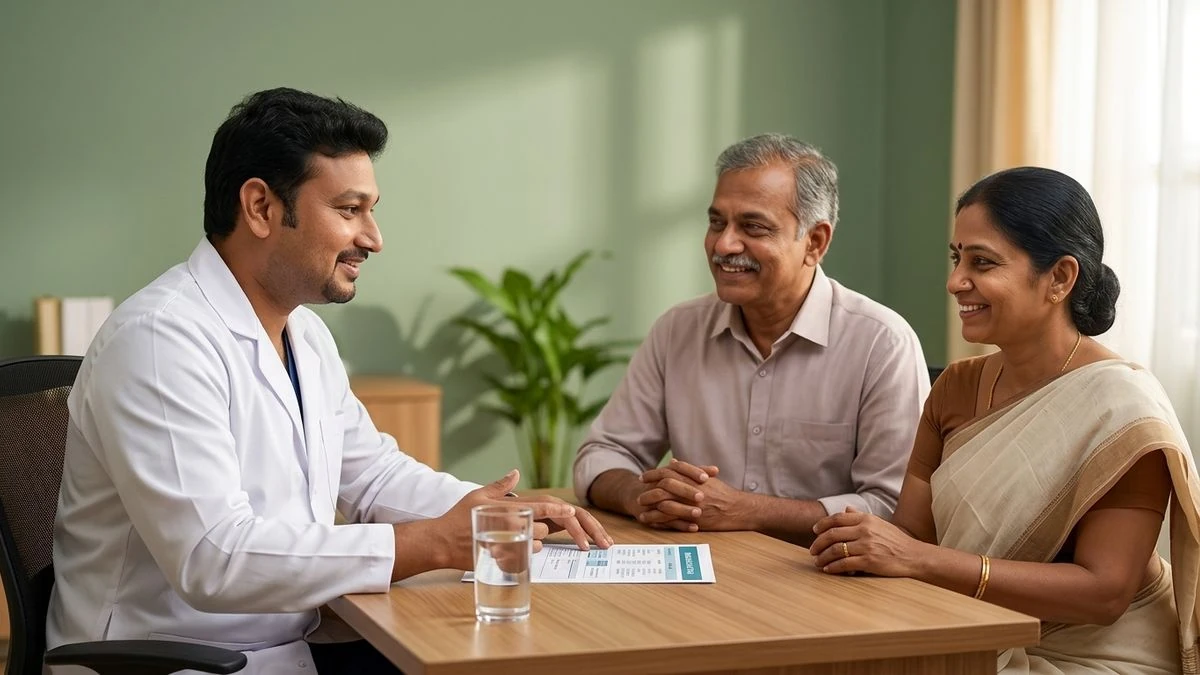
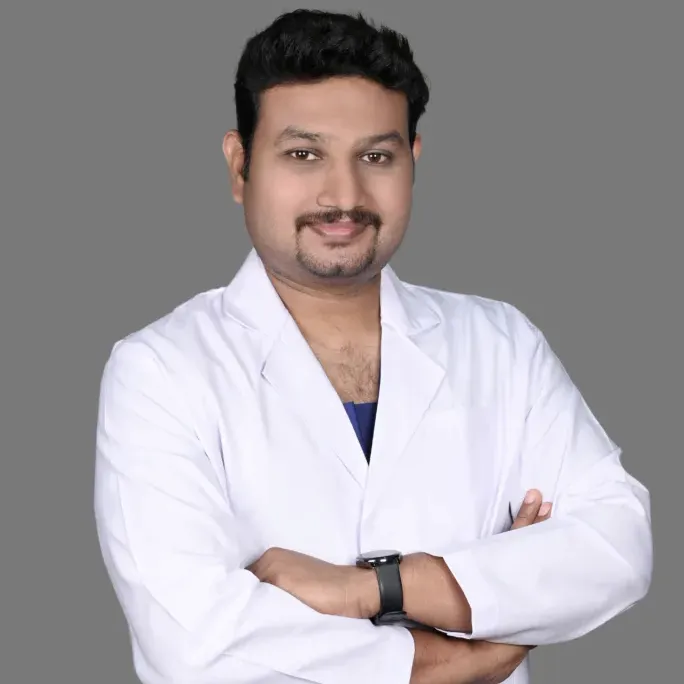
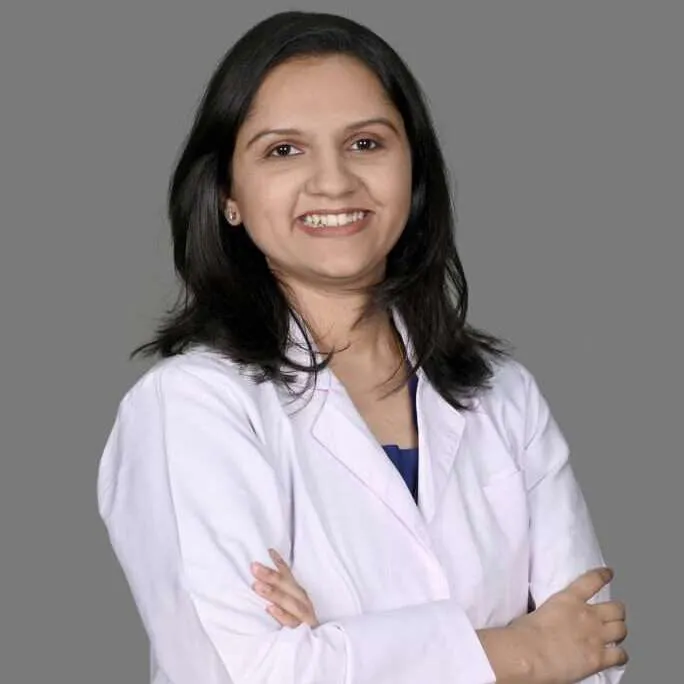
Surgery removes the disease — rehabilitation restores how you speak, swallow, chew and live. Dr. Pradeep S. and Dr. Kalpa Pandya plan recovery from day one at Apollo Main Hospital, Greams Road, coordinating speech therapy, nutrition, jaw physiotherapy, dental implants and cancer surveillance under one continuous plan — not a stack of disconnected referrals.
Removing the tumour is only half the work. How you speak, swallow, chew and look afterwards depends on a rehabilitation plan that begins in theatre — not months later when stiffness has already set in and habits have hardened.
At Mouth Cancer Surgeons, Dr. Pradeep S. and Dr. Kalpa Pandya build recovery into the same sitting as surgery whenever reconstruction is needed. That multidisciplinary oral cancer care model means speech therapists, dieticians and dental rehabilitation are not strangers you meet after the fact — they are part of the plan you hear before the operation.
If you are still deciding between centres, ask one question early: who owns my recovery after the wound heals? The answer should be the same surgeons who operate — not a vague referral list you have to chase alone.
Patients recovering from tongue cancer, buccal mucosa cancer, jaw resection or composite resection all need a staged plan. The details differ; the principle does not: function is planned with oncology, not after it.
Speech and Swallowing Therapy — What Actually Happens
Surgery on the tongue, floor of mouth, jaw or palate changes the muscles and sensation you use to talk and eat. Temporary feeding tubes are common after major reconstruction; getting safely back to eating by mouth is a structured process, not guesswork or “try soft rice at home and see.”
Speech-language pathologists start exercises as soon as the surgical site allows — often within weeks. Early work prevents scarring from locking motion and reduces aspiration risk (food or liquid entering the airway). Sessions typically cover tongue and lip range of motion, swallow timing, breath-swallow coordination, and safe texture progression from liquids to soft solids.
Skipping therapy because “I can manage with a straw” is how aspiration pneumonia and long-term diet restriction sneak in. If swallowing feels effortful, wet, or you cough with every sip, tell the team the same week — do not wait for the next scheduled review.
Nutrition Through Surgery and Radiation
Healing tissue needs calories and protein. Taste changes, dry mouth after radiation, nausea, and a soft or liquid diet can quietly erode weight if nobody is watching the numbers on the scale and the lab values.
Clinical dieticians on the team build meal plans that match each phase — hospital stay, soft diet at home, and the return to normal textures. High-protein liquids, fortified soft foods, and practical shopping lists matter more than abstract “eat healthy” advice. Our note on nutrition during oral cancer treatment covers food choices families ask about most.
If radiation follows surgery, expect dry mouth (xerostomia) and taste shifts to last weeks to months. Hydration, sugar-free saliva substitutes, fluoride care for remaining teeth, and jaw exercises sit alongside diet — they are not optional extras. Dental decay accelerates when saliva drops; we involve dental rehabilitation early for that reason.
Significant weight loss before or during treatment increases complication risk. If clothes are loosening fast or you cannot keep liquids down, contact us rather than waiting for the next oncology slot.
Dental and Implant Rehabilitation After Jaw Surgery
Teeth lost to cancer surgery — or never restored after jaw reconstruction — leave people unable to chew properly and self-conscious about appearance. Dental rehabilitation is planned with reconstruction, not bolted on years later when bone has remodelled in the wrong shape for implants.
Where jaw bone has been rebuilt with a free flap (often fibula), implants can often be placed once the bone has healed and disease surveillance is clear. Timing is usually measured in months, not weeks. Dr. Kalpa Pandya leads this restorative phase; our guide to dental implants after oral cancer explains sequencing and expectations.
Full-arch or segmental implant work is available when the defect is large — see full-arch dental implants and our dental implants specialty. Removable prostheses may bridge the gap while waiting for implant-ready bone.
Radiation to the jaws changes implant planning. We factor dose fields, healing quality and osteoradionecrosis risk into the timeline — which is why the same surgical team that resected the tumour should own the restorative conversation.
Jaw Physiotherapy, Trismus and Neck Recovery
Limited mouth opening (trismus) is common after cheek, jaw or radiation treatment, and after surgery for oral submucous fibrosis. Without guided physiotherapy, scar can shorten the opening you fought to gain in theatre.
Jaw exercises usually begin once the surgeons clear the wound — often with graded stacked sticks, Therabite-style devices, or supervised stretches. Consistency at home matters more than occasional clinic heroics. Pain is managed so you can exercise; avoiding motion because it hurts is how permanent lock sets in.
After neck dissection, shoulder and neck stiffness from accessory nerve stretch or sacrifice needs its own physiotherapy track. Our neck dissection recovery guide covers drains, wound care and when to raise infection or seroma concerns.
Report progressive locking, facial asymmetry that worsens, or shoulder drop that stops you dressing yourself — those are rehab problems we can still influence early.
A Realistic Recovery Timeline
Every case differs by tumour size, reconstruction type and whether radiation or chemotherapy follows. The ranges below are orientation, not promises:
Hospital stay: Often 7–14 days after major resection with free-flap reconstruction; shorter for limited wide local excisions without flap.
First 2 weeks: Peak swelling, liquid or soft diet, drain and suture care, early mobilisation. Speech therapy may begin with gentle range-of-motion only.
Weeks 3–6: Swelling settles; swallow assessment for advancing textures; jaw and shoulder physiotherapy intensify if cleared.
Months 2–6: Gradual return of chewing textures, ongoing therapy, and planning for dental work once bone and soft tissue are stable. Adjuvant radiation, if needed, often occupies 6–7 weeks of this window.
Months 6–12: Many patients reach a stable “new normal” for speech and diet; implant placement may begin if oncology clearance and bone quality allow.
We give you a personalised timeline once your scans and pathology are reviewed — not a brochure promise that ignores your operation. Ask for that timeline in writing at your first visit or post-operative review.
Emotional Recovery and Family Role
Appearance change, temporary dependence on a feeding tube, and fear of recurrence are not side notes — they shape whether patients stick with exercises and follow-up. Psycho-oncology support and honest conversations about what will and will not return are part of care at Apollo Main Hospital, Greams Road.
Family members often become the home therapy coaches — counting jaw stretches, logging diet intake, noticing wet voice or cough after drinks. We brief them as carefully as we brief the patient.
If anxiety or low mood is blocking rehab, say so. Untreated distress is a clinical obstacle, not a personal failure.
Long-Term Surveillance After Rehabilitation
Most recurrences declare themselves in the first two to three years. Follow-up is typically every 1–3 months in year one, then spaced out — clinical exam first, imaging when indicated.
The same two surgeons who operated review you. That continuity catches change early and keeps rehabilitation goals aligned with oncological safety. Tobacco and areca cessation remain part of surveillance for patients who used them — quitting after diagnosis improves wound healing and long-term survival.
If a new patch or ulcer appears between visits, do not wait for the next scheduled slot. Use our emergency symptoms guide and contact the team the same day.
Surveillance also watches late radiation effects — dry mouth, dental decay, jaw stiffness — so dental and physiotherapy plans stay current rather than forgotten after the “cancer is gone” conversation.
Finding us in Chennai
Mouth Cancer Surgeons plans rehabilitation alongside surgery at Apollo Main Hospital, Greams Road, Chennai — so speech, nutrition, dental work and surveillance stay under one continuous plan with Dr. Pradeep S. and Dr. Kalpa Pandya. Families travel from across Tamil Nadu, South India, West Bengal, Assam and Bangladesh for this joined-up recovery model.
Frequently asked questions
When does speech and swallowing therapy start after oral cancer surgery?
As soon as the surgical site is stable enough — often within a few weeks. Starting early reduces stiffness and helps patients return to eating by mouth sooner. Timing is cleared by Dr. Pradeep S. and Dr. Kalpa Pandya for each case.
Will I need a feeding tube after surgery?
Many patients having major tongue, jaw or palate reconstruction have a temporary nasogastric or PEG tube while swallowing is unsafe. The goal of therapy is to remove it as soon as it is safe — not to make it permanent.
Can I get dental implants after jaw reconstruction?
Often yes, once the reconstructed bone has healed and oncology clearance allows. Timing is usually months after surgery, coordinated with surveillance. Radiation history affects planning. Our dental implants pathway after oral cancer explains the sequence.
How long does full functional recovery take?
Wound healing is often measured in weeks; speech, swallow and dental rehabilitation commonly continue for months. Complex free-flap cases may take 6–12 months to reach a stable new normal. We set expectations case by case after reviewing your operation and adjuvant plan.
Is rehabilitation part of multidisciplinary care?
Yes. Speech therapy, nutrition, reconstruction and implants sit inside our multidisciplinary cancer care model at Apollo Main Hospital, Greams Road — not as separate referrals you have to organise alone.
What if my mouth opening is getting smaller after surgery or radiation?
That is trismus. Start or intensify jaw physiotherapy as soon as the surgeons clear you — waiting months makes scar harder to stretch. Contact us promptly if opening is worsening week by week.
Does insurance cover speech therapy and dental rehab after oral cancer?
Surgical oncology and in-hospital rehabilitation are often covered under comprehensive policies and government schemes. Implant and prosthetic stages vary — some plans cover functional reconstruction after cancer, others exclude “dental” line items. We help with pre-authorisation paperwork and give stage-by-stage estimates.
How do I start a rehabilitation plan in Chennai?
Book a consultation or bring your operative notes, current diet, and speech/swallow difficulties to your visit. We assess needs and set a staged plan with the same surgeons who would operate if further surgery is required. Outstation patients can WhatsApp reports first.
Who treats recovery & rehabilitation at Mouth Cancer Surgeons?
Dr. Pradeep S. (Consultant, Oral & Maxillofacial Surgeon — specialist in oral, head and neck cancer surgeries) and Dr. Kalpa Pandya (Consultant, Oral & Maxillofacial Surgeon — specialist in OPMD, Facial Trauma, Dental Implants). You are cared for by the same two specialists from diagnosis through recovery.
Where do you consult in Chennai?
We consult and operate at Apollo Main Hospital, Greams Road.