Oral Cancer Treatment Insurance & Govt Schemes in India
Need expert consultation? Book an appointment with Dr. Pradeep S. or Dr. Kalpa Pandya.
Book AppointmentA cancer diagnosis brings worry about the illness first, and very soon after, worry about how to pay for treatment. Surgery, reconstruction, radiation and follow-up can add up, so it helps to know early what your policy or scheme may cover.
Dr. Pradeep S. and Dr. Kalpa Pandya often meet families with exactly this concern. This guide explains insurance cover, government schemes, claim steps and common out-of-pocket costs in India. Scheme rules and policy terms change, so treat the details below as correct at the time of writing and check current rules before you rely on them. For actual treatment costs, see our separate guide on how much oral cancer treatment costs.
Does Health Insurance Cover Oral Cancer Treatment in India?
In India, comprehensive health insurance (mediclaim) policies generally cover hospital treatment for cancer, including oral cancer surgery. Cover is always subject to your policy terms: sum insured, waiting periods for pre-existing disease, sub-limits, co-pay clauses and pre-authorisation for planned admissions. Cancer-specific and critical illness policies work differently: they pay a lump sum on diagnosis rather than reimbursing bills.
What Inpatient Services Are Typically Covered?
When a policy is active and past any initial waiting periods, standard indemnity health insurance policies cover:
- Pre-Hospitalisation Diagnostics: Biopsies, fine-needle aspiration cytology (FNAC), blood panels, contrast-enhanced CT scans, MRI scans, and PET-CT scans performed prior to admission (typically within 30 to 60 days of admission).
- Surgical Oncology Procedures: Oral cancer surgery, including wide local excision of cheek (buccal mucosa), tongue, floor of mouth, or palate tumours, maxillectomy, and mandibulectomy.
- Neck Dissections: Surgical removal of neck lymph nodes (cervical lymphadenectomy) to prevent regional cancer spread.
- Reconstructive Surgeries: Complex reconstructive procedures performed during primary cancer surgery, such as microvascular fibula free flaps or pedicled flaps (PMMC flap), to restore facial structure and function.
- Intensive Care (ICU) & Ward Stay: Room rent, nursing fees, ICU monitoring, and specialized post-operative airway care (such as tracheostomy management).
- Adjuvant Therapy: Post-surgical radiation therapy (IMRT/IGRT) and systemic chemotherapy or immunotherapy cycles.
- Post-Hospitalisation Follow-up: Medications, wound dressings, and follow-up consultations for 60 to 90 days after discharge.
Government Health Schemes for Oral Cancer Surgery in India
For eligible families, central and state government schemes can cover cancer surgery and related hospital care. The key rule for every scheme: cover applies only at hospitals empanelled under that scheme, and empanelment can change. Before planning admission anywhere, confirm with the hospital's insurance/TPA desk (or the scheme helpdesk) whether that hospital accepts your scheme for the treatment you need.
1. Ayushman Bharat Pradhan Mantri Jan Arogya Yojana (AB PM-JAY)
- Financial cover: Up to ₹5 lakh per family per year for secondary and tertiary hospital care at empanelled public and private hospitals (at the time of writing).
- Senior citizens: Since late 2024, people aged 70 and above can get cover under the Ayushman Vay Vandana extension of PM-JAY, regardless of income. Check current enrolment rules.
- Cancer care: The scheme's benefit packages include cancer surgery and other oncology treatment, subject to package rules and pre-authorisation.
- How to use it: Eligible beneficiaries present their Ayushman card at the scheme help desk of an empanelled hospital.
2. Chief Minister's Comprehensive Health Insurance Scheme (CMCHIS) — Tamil Nadu
- Who it is for: Eligible families resident in Tamil Nadu who meet the scheme's income and documentation criteria.
- Cover: Around ₹5 lakh per family per year for listed procedures at empanelled hospitals (at the time of writing; check current rules).
- Cancer surgery: Many cancer procedures are listed, but whether a specific operation is covered at a specific hospital must be confirmed before admission.
3. West Bengal Swasthya Sathi
Swasthya Sathi is the West Bengal state health scheme. It is used at hospitals empanelled under the scheme, generally within West Bengal. Families travelling from West Bengal for treatment in another state should not assume their Swasthya Sathi card will work there; check with the scheme before travelling and plan for private insurance or self-payment if it does not.
4. Central Government Health Scheme (CGHS) & ECHS
- CGHS: Covers serving and retired central government employees and their dependents, at empanelled hospitals or through reimbursement, as per CGHS rules.
- ECHS: Covers ex-servicemen and their dependents, usually on referral from an ECHS polyclinic to an empanelled hospital.
Confirm empanelment and referral requirements with the hospital and your scheme office before admission.
Patients from Bangladesh and other countries
Indian government schemes do not cover Bangladeshi or other foreign nationals. International patients usually pay privately or claim from their own insurance, if their policy covers treatment in India. Ask the hospital's international patient or billing desk for an estimate in advance. Our page for patients from Bangladesh and West Bengal covers travel and planning.
Health Insurance vs. Critical Illness Cover vs. Cancer Insurance
The three policy types pay in very different ways.
| Feature | Standard Health Insurance (Indemnity Plan) | Critical Illness Rider / Policy | Dedicated Cancer Insurance Plan |
|---|---|---|---|
| Payout Basis | Reimburses actual medical expenses incurred during hospitalization. | Pays a lump-sum cash benefit upon diagnosis of a covered critical illness. | Pays staged lump-sum payouts based on diagnosis stage (early vs. advanced). |
| Usage of Funds | Strictly for direct medical bills, surgeon fees, hospital room charges, and medicines. | Flexible; can cover living expenses, rehabilitation, income loss, or un-covered medical items. | Flexible; covers medical and non-medical expenses related to cancer care. |
| Impact of Surgery Cost | Subject to sub-limits (e.g., room rent capping, surgeon fee caps, co-pay clauses). | Agreed sum paid regardless of the actual hospital bill. | Payout depends on stage and policy wording; some plans waive future premiums. |
| Diagnostic Staging Impact | Pays regardless of cancer stage, provided hospitalization is required. | Usually requires confirmed cancer as defined in the policy. | Some plans pay a smaller amount for early-stage disease and more for advanced disease; precancer such as leukoplakia is usually not a payable event. |
Unsure what your policy or scheme will cover? Dr. Pradeep S. and Dr. Kalpa Pandya see patients at Apollo Main Hospital, Greams Road, Chennai. Book a consultation or call +91 96633 03747 for a clear treatment plan and the clinical reports your insurer will ask for.
Expenses Covered vs. Out-of-Pocket Costs in Oral Cancer Surgery
Policies usually cover the core hospital stay, but some items are partly paid or not paid at all. Exact cover depends on your policy wording.
Items Usually Covered
- Surgeon and Anesthetist Fees: Operating team and anaesthesia charges, within any sub-limits in your policy.
- Operating Theatre Charges: Specialized surgical instrumentation, intraoperative monitoring, and surgical time.
- Inpatient Hospitalization & Nursing: General ward, semi-private, or private room stay as per policy eligibility.
- Histopathology & Frozen Section: Pathological examination of tissue margins during and after surgery.
- Reconstructive Surgical Supplies: Surgical plates, titanium screws, and vascular anastomosis micro-sutures used during jaw reconstruction.
Common Out-of-Pocket or Excluded Costs
- Dental Prosthetic Rehabilitation: While surgical jaw reconstruction is covered, second-stage dental implant placement or specialized obturators may face exclusion under standard dental clauses unless cleared under specific reconstructive pre-authorization. Learn more about dental implants after oral cancer treatment.
- Non-Medical Consumables: Disposable items, specialized hygiene kits, and certain post-operative surgical dressings not covered under basic TPA guidelines.
- Outpatient Speech & Swallowing Rehabilitation: Post-discharge therapy sessions conducted on an outpatient basis beyond the post-hospitalization window (usually 60–90 days).
- Long-Term Nutritional Supplements: Specialized enteral feeding formulas or tube-feeding nutrition consumed after hospital discharge.
Step-by-Step Guide to Claiming Insurance for Oral Cancer Surgery
Good preparation avoids most delays. Below is the usual workflow for cashless and reimbursement claims at Indian hospitals; the exact process is set by your insurer and the hospital's insurance/TPA desk.
1. Cashless Authorization Workflow
- Pre-Surgery Consultation: Bring your insurance/TPA card, policy document, government ID (Aadhaar) and diagnostic reports (biopsy report, CT/MRI or PET-CT scans) to your consultation.
- Clinical Notes and Estimate: The treating surgeon documents the diagnosis and proposed treatment (surgery, reconstruction, expected stay). The hospital's billing or insurance desk prepares the cost estimate.
- Submission to the Insurance/TPA Desk: The hospital's insurance/TPA desk sends the pre-authorisation request to your insurer. Ask them how far in advance of planned surgery to submit, as approval can take a few days.
- Initial Approval: The insurance provider issues an initial pre-authorization approval letter specifying the approved limit.
- Final Settlement: Upon discharge, the hospital sends final itemized bills, operative notes, and histopathology reports to the insurer for final claim settlement.
2. Reimbursement Claim Checklist
If treated at a non-network facility or opting for direct reimbursement:
- Comprehensive Discharge Summary signed by the attending surgical oncologists.
- Operative notes detailing surgical resection margins and reconstruction details (fibula free flap or PMMC flap).
- Original final itemized hospital bill with payment receipts.
- Original pre-admission diagnostic investigation reports (Biopsy, CT, MRI, PET scans).
- All pharmacy bills supported by doctor prescriptions.
- Cancelled cheque of the policyholder's bank account for direct electronic transfer.
Common Reasons for Claim Delays and How to Avoid Them
Most delays come from paperwork gaps that can be avoided:
1. Incomplete Pre-Existing Condition (PED) Disclosures
Insurers review medical history before approving a cancer claim. If a patient had a history of oral potentially malignant disorders (OPMD) such as oral submucous fibrosis (OSMF) or leukoplakia prior to purchasing the policy, non-disclosure can lead to a rejected claim. Always disclose your full history. Under current IRDAI rules the pre-existing disease waiting period is capped at 36 months, so check how long your policy has been running.
2. Missing Biopsy & Histopathology Reports
Insurers ask for histological proof of cancer. Pre-authorisation for surgery normally needs the histopathology report confirming carcinoma.
3. Room Rent Capping Breaches
If a policy has a room-rent capping (e.g., 1% of total sum insured per day), selecting a room category above your eligibility can trigger proportionate deductions across all associated surgical and doctor fees. Ensure room selection matches your policy terms.
4. Lack of Surgical Operative Notes
Insurers may ask for operative notes showing that flap reconstruction was needed to repair the defect left by cancer removal, not done for cosmetic reasons.
Financial Planning for Oral Cancer Treatment
A few steps taken early help:
- Review Policy Limits Early: Check your sum insured, restore benefits, sub-limits (for example on room rent or specific procedures) and co-payment clauses.
- Check Scheme Eligibility and Empanelment: If you hold a PM-JAY, CMCHIS or other scheme card, confirm before admission that the hospital accepts it for your treatment.
- Keep a Reserve: Set aside funds for non-payable consumables, nutrition after discharge, travel and longer-term rehabilitation.
- Know the Tax Provisions: Health insurance premiums and treatment of specified diseases, including cancer, may qualify for deductions under Sections 80D and 80DDB. Limits and conditions change, so check with a tax adviser.
- Plan Treatment as a Whole: Surgery is often followed by radiation or chemotherapy planned by the multidisciplinary cancer care team, so ask for an estimate that covers the full pathway, not only the operation.
Talk to the Surgeons About Your Treatment Plan
Dr. Pradeep S. (BDS, MDS in Oral & Maxillofacial Surgery, FHNS, FIBCSOMS) is an oral and maxillofacial surgeon with a head and neck surgical oncology fellowship. He and Dr. Kalpa Pandya see patients at Apollo Main Hospital, Greams Road, Chennai, for diagnosis and surgical planning. We cannot say whether your particular policy or scheme will be accepted, and we do not handle claim paperwork. Empanelment, cashless approval, package rates and settlement are matters for the hospital's insurance/TPA desk and your insurer, so please confirm them directly.
If you are travelling for treatment, our pages on multidisciplinary cancer care and patients from Bangladesh and West Bengal explain what to plan for.
Phone: +91 96633 03747
Online booking: Book an Appointment
References
- Insurance Regulatory and Development Authority of India (IRDAI): health insurance regulations and circulars. https://irdai.gov.in
- National Health Authority: Ayushman Bharat PM-JAY. https://pmjay.gov.in
- Government of Tamil Nadu: Chief Minister's Comprehensive Health Insurance Scheme. https://cmchistn.com
- Government of West Bengal: Swasthya Sathi. https://swasthyasathi.gov.in
Next step
Concerned about a symptom you read here? Get a specialist opinion in Chennai.
Dr. Pradeep S. and Dr. Kalpa Pandya consult at Apollo Hospitals, Greams Road. Same-day responses on WhatsApp for most enquiries.
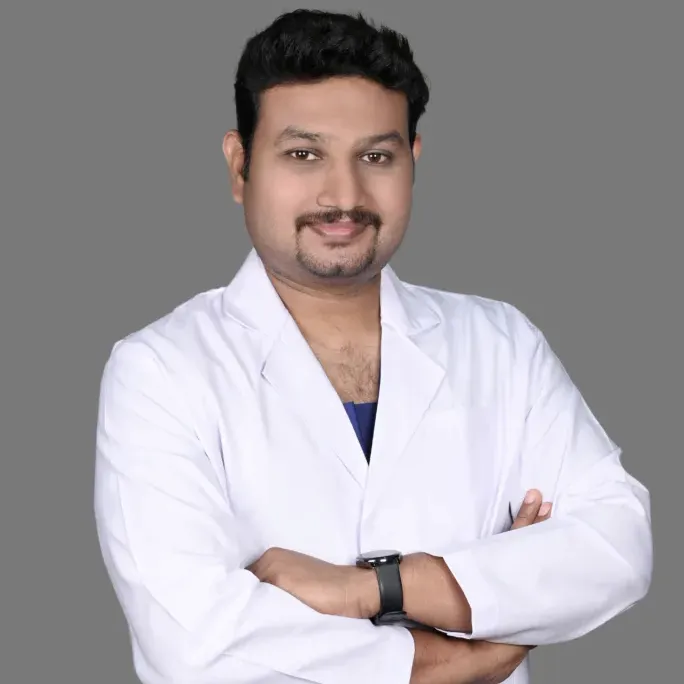
Dr. Pradeep S.
MDS (OMFS) · FHNS · FIBCSOMS
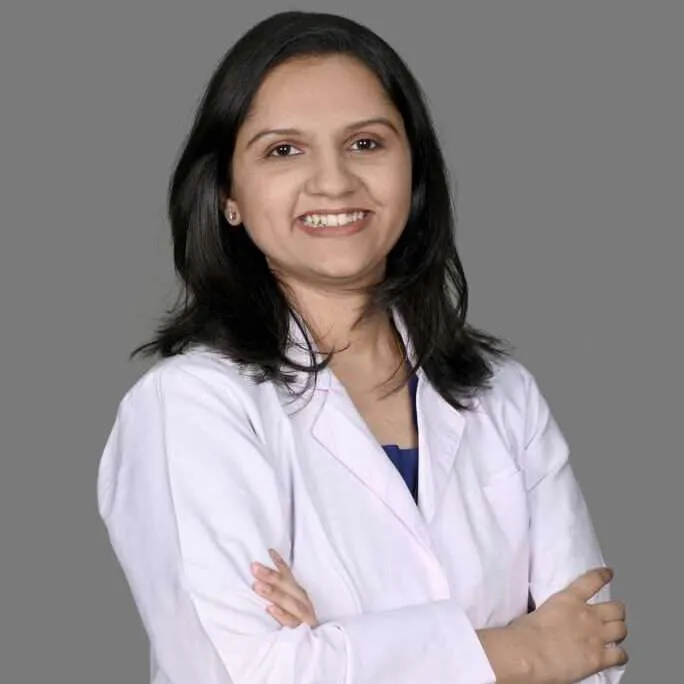
Dr. Kalpa Pandya
MDS (OMFS) · FHNS — Head & Neck Oncology
Authored by
Medically reviewed by