When Mouth Cancer Treatment Fails: What Are the Options?
Need expert consultation? Book an appointment with Dr. Pradeep S. or Dr. Kalpa Pandya.
Book AppointmentReceiving a diagnosis of oral cancer is life-altering, but discovering that the initial treatment has not worked or that the cancer has returned can feel overwhelming. Patients and their families are often left asking: what happens now, and what are the options for advanced or recurrent oral cancer?
It is important to understand that a recurrence or lack of response to first-line therapy does not mean you are out of options. Modern oral and maxillofacial oncology offers highly specialized pathways designed to target advanced disease, control symptoms, prolong survival, and preserve your quality of life.
At our practice, Mouth Cancer Surgeons in Chennai, Dr. Pradeep S. and Dr. Kalpa Pandya work together to evaluate these complex cases. Operating at Apollo Main Hospital, Greams Road, Chennai, we provide a collaborative, dual-surgeon approach to ensure that patients facing recurrent or persistent oral cancer receive the most comprehensive and advanced care available.
Understanding Treatment Failure: Recurrence vs. Persistent Disease
When primary treatment—typically a combination of surgery, radiotherapy, and chemotherapy—fails to clear oral cancer, the disease is generally categorized into two types:
1. Persistent (Refractory) Oral Cancer
This refers to cancer cells that never fully cleared during the initial treatment course. Despite undergoing surgery or completing a full cycle of chemoradiation, imaging or biopsies show that active cancer remains at the primary site.
2. Recurrent Oral Cancer
Recurrent cancer is disease that returns after a period of being undetectable. Recurrence can occur locally (in the same area of the mouth), regionally (in the nearby lymph nodes of the neck), or distantly (spreading to organs like the lungs or bones).
The timing and location of the recurrence play a pivotal role in determining which advanced treatment options are viable. Local and regional recurrences are often candidates for aggressive local therapies, whereas distant metastases require systemic approaches.
Recognizing the Signs of Oral Cancer Recurrence
Early detection of a recurrence significantly expands the available treatment options. Patients who have previously completed treatment for oral cancer must remain highly vigilant during their follow-up period.
Common symptoms that may indicate the cancer has returned include:
- A new, non-healing ulcer or sore in the mouth that persists for more than two weeks (see our guide on warning signs of mouth ulcers).
- A hard lump or thickening in the cheek, gums, tongue, or neck.
- Progressive difficulty opening the mouth, also known as trismus (read more about why your mouth won't open).
- Unexplained pain, numbness, or tingling in the mouth, tongue, or jaw.
- Difficulty chewing, swallowing, or moving the tongue.
- Rapid, unexplained weight loss or persistent fatigue.
If you notice any of these changes, it is essential to schedule an immediate consultation.
Not sure what your symptom means? Dr. Pradeep S. and Dr. Kalpa Pandya see patients at Apollo Main Hospital, Greams Road, Chennai. Book a consultation or call +91 96633 03747 for an early, unhurried assessment.
The Comprehensive Diagnostic Workup for Advanced Disease
Before any secondary treatment plan can be formulated, a rigorous diagnostic process is required to map out the exact extent of the disease. This workup typically includes:
- High-Resolution Imaging: PET-CT scans are invaluable in recurrent cases, as they help distinguish between post-treatment scarring and active tumor tissue. Contrast-enhanced MRI and CT scans of the head and neck are also used to assess bone involvement and soft-tissue margins.
- Tissue Biopsy: A biopsy is performed to confirm the presence of active malignancy and to analyze the tumor's molecular profile.
- Biomarker Testing: In advanced cases, the biopsy sample is tested for biomarkers such as PD-L1 expression. This testing determines whether the patient is a candidate for modern immunotherapy.
- Multidisciplinary Tumor Board Review: At Apollo Main Hospital, Greams Road, Chennai, complex cases are reviewed by a multidisciplinary team. This collaborative review ensures that surgical, medical, and radiation oncology perspectives are integrated into a cohesive, personalized strategy.
Advanced Treatment Options for Recurrent Oral Cancer
When standard first-line therapies have not succeeded, the therapeutic strategy shifts. The primary options for managing advanced and recurrent mouth cancer include:
1. Salvage Surgery
For patients with localized or regional recurrences who are medically fit, salvage surgery remains the gold standard treatment with curative intent. Salvage surgery involves the wide surgical removal of the recurrent tumor, often along with adjacent tissues that may have been affected.
Because salvage surgery is performed in tissues that have already undergone previous surgery or radiation, it is highly complex. Tissues may be scarred, and blood vessels may be compromised. This is where advanced reconstructive and restorative surgery becomes vital. Using microvascular free flaps—such as taking bone from the leg (fibula free flap) or tissue from the thigh—surgeons can reconstruct the jaw and oral cavity, preserving speech, swallowing, and facial appearance.
2. Immunotherapy
Immunotherapy has transformed the management of advanced head and neck cancers. Unlike traditional chemotherapy, which directly kills rapidly dividing cells, immunotherapy helps your body's own immune system recognize and attack cancer cells.
- Checkpoint Inhibitors: Drugs like Pembrolizumab and Nivolumab target specific proteins (PD-1/PD-L1) on immune cells or cancer cells. By blocking these checkpoints, the immune system is unleashed to fight the tumor.
- Efficacy: Immunotherapy is often recommended for recurrent oral cancers that cannot be surgically removed or have progressed despite chemotherapy. It has been shown to improve survival rates with a generally more manageable side-effect profile than traditional chemotherapy.
3. Targeted Therapy
Targeted therapies focus on specific genetic mutations or proteins that contribute to cancer growth. In oral cancers, the Epidermal Growth Factor Receptor (EGFR) is often overexpressed. Monoclonal antibodies like Cetuximab block these receptors, slowing down or stopping tumor growth. Targeted therapy is frequently combined with radiation or chemotherapy to enhance its effectiveness.
4. Re-Irradiation (SBRT and Proton Therapy)
If a patient has already received a full course of radiation therapy, delivering more radiation to the same area is highly challenging due to the risk of severe damage to healthy surrounding tissues (such as bone necrosis or nerve damage).
However, advanced radiation techniques have made re-irradiation possible for select patients:
- Stereotactic Body Radiotherapy (SBRT): Delivers highly precise, high-dose radiation beams directly to the tumor, minimizing exposure to nearby healthy tissues.
- Proton Therapy: Available at specialized centers like the Apollo Proton Cancer Centre in Chennai, proton therapy uses protons instead of X-rays. Protons deposit their energy directly within the tumor site and stop, virtually eliminating "exit dose" radiation to critical structures like the spinal cord and brainstem.
5. Palliative Chemotherapy and Best Supportive Care
When the cancer is highly advanced, widely metastatic, or the patient is too frail to undergo aggressive surgeries or systemic therapies, the focus shifts from curing the disease to controlling it. Palliative chemotherapy aims to shrink the tumor, slow its progression, and alleviate pain or obstruction, thereby extending comfortable life.
Comparing Advanced Treatment Modalities
The table below outlines the primary differences between the advanced treatment routes available for recurrent and refractory oral cancer:
| Treatment Modality | Primary Goal | Ideal Candidate | Key Advantages | Major Considerations |
|---|---|---|---|---|
| Salvage Surgery | Curative intent; complete removal of the recurrent tumor. | Localized, resectable recurrence; patient is medically fit for surgery. | Offers the highest chance of long-term survival and local control. | Highly complex; requires advanced microvascular reconstruction. |
| Immunotherapy | Systemic control; prolonging survival and maintaining quality of life. | Unresectable or metastatic recurrence; high PD-L1 expression. | Fewer physical side effects than chemotherapy; can lead to long-term remission. | Response rates vary; can cause immune-related side effects (inflammation). |
| Re-Irradiation | Local tumor control; symptom relief. | Localized recurrence not suitable for surgery; long interval since first radiation. | Non-invasive; can shrink tumors causing pain or bleeding. | Risk of cumulative tissue damage, such as osteoradionecrosis of the jaw. |
| Targeted Therapy | Slowing tumor growth; enhancing other treatments. | Advanced disease, often combined with chemo or radiation. | Specifically targets cancer pathways, sparing many healthy cells. | Can cause skin rashes, nail changes, and infusion reactions. |
| Palliative Care | Symptom management; maximizing comfort and quality of life. | Very advanced/metastatic disease; patients with poor overall health. | Focuses entirely on comfort, pain relief, and emotional well-being. | Does not aim to cure or eliminate the underlying cancer. |
The Crucial Role of Reconstruction in Salvage Surgery
When salvage surgery is determined to be the best option, the surgical planning must address both the removal of the tumor and the immediate restoration of oral function. Removing a recurrent tumor often requires the resection of portions of the jawbone, tongue, or palate.
At Mouth Cancer Surgeons, we utilize modern reconstructive techniques to rebuild these vital structures:
- Fibula Free Flap: Reconstructing the jawbone using a segment of the fibula (calf bone) along with its blood vessels, which are micro-surgically connected to blood vessels in the neck. This allows for the future placement of dental implants after cancer surgery.
- Anterolateral Thigh (ALT) Flap: Utilizing soft tissue from the thigh to reconstruct large defects in the cheek or tongue, ensuring the patient retains the ability to swallow and speak.
- Pectoralis Major Myocutaneous (PMMC) Flap: A reliable reconstructive option utilizing chest tissue, often used when microvascular recipient vessels in the neck are limited due to prior radiation. Learn more about the differences in free flap vs. PMMC reconstruction.
Palliative Care: Prioritizing Comfort and Quality of Life
If a cure is no longer achievable, transitioning to a palliative care plan is a highly positive, proactive step. Palliative care is not about "giving up"; rather, it is a specialized medical specialty focused on providing relief from the symptoms, pain, and physical and mental stress of a serious illness.
A comprehensive supportive care plan for advanced oral cancer includes:
- Pain Management: Utilizing a stepped approach to pain control, ranging from non-opioid medications to specialized nerve blocks and patches, ensuring the patient remains comfortable and alert.
- Nutritional Support: Advanced oral tumors can make eating painful or physically impossible. Working with oncological dietitians to implement specialized enteral feeding (such as a PEG tube) ensures the patient receives adequate nutrition without discomfort.
- Airway Protection: Large tumors in the back of the mouth or throat can compromise breathing. A temporary or permanent tracheostomy (a small opening in the windpipe) can be performed to secure a safe, comfortable airway.
- Speech and Swallowing Therapy: Helping patients adapt to changes in their oral anatomy to maintain communication and, where possible, safe swallowing.
Navigating Decisions: Questions to Ask Your Oncology Team
When discussing advanced options, having clear, open communication with your surgical and oncological team is vital. Consider asking the following questions during your consultation:
- Is my recurrence localized, regional, or distant?
- Am I a candidate for salvage surgery, and what would the reconstruction involve?
- Are there biomarker tests (like PD-L1) we should run to see if I qualify for immunotherapy?
- If surgery is not an option, what systemic therapies or clinical trials are available to me?
- How will this treatment affect my daily life, speech, swallowing, and appearance?
- What supportive and palliative care resources are available to help manage pain and other symptoms?
Why Choose Mouth Cancer Surgeons at Apollo Main Hospital, Chennai?
Managing recurrent or advanced oral cancer requires highly specialized surgical expertise, advanced hospital infrastructure, and a compassionate, patient-centered philosophy.
Dr. Pradeep S. and Dr. Kalpa Pandya offer a unique care model designed to support patients through these challenging decisions:
- Dual-Surgeon Accountability: Every patient is evaluated, planned, and operated on by both Dr. Pradeep S. and Dr. Kalpa Pandya. This dual-surgeon approach ensures multiple layers of clinical expertise are applied to every complex salvage procedure.
- Super-Specialty Expertise: Dr. Pradeep S. brings over 15 years of dedicated experience in head and neck surgical oncology and microvascular reconstruction. Dr. Kalpa Pandya specializes in OPMDs, facial trauma, and comprehensive restorative rehabilitation.
- Specialist Infrastructure: Operating out of Apollo Main Hospital, Greams Road, Chennai, our patients have access to modern intensive care units, advanced imaging (PET-CT, 3T MRI), and a highly integrated multidisciplinary oncology team.
- End-to-End Continuity: From your initial diagnostic workup through complex surgery, recovery, and long-term surveillance, you are cared for by the exact same two surgeons.
If you or a loved one is facing a diagnosis of persistent or recurrent oral cancer, seeking a comprehensive second opinion is a vital next step.
For personalized treatment options and expert care, consult Dr. Pradeep S. and Dr. Kalpa Pandya — Mouth Cancer Surgeons, Chennai. Call +91 96633 03747 or book an appointment.
References
- National Comprehensive Cancer Network (NCCN). "NCCN Clinical Practice Guidelines in Oncology: Head and Neck Cancers." NCCN Guidelines, 2024. https://www.nccn.org
- Goodwin, W. J. "Salvage Surgery for Patients with Recurrent Squamous Cell Carcinoma of the Upper Aerodigestive Tract." The Laryngoscope, 2000.
- Ferris, R. L., et al. "Nivolumab for Recurrent Squamous-Cell Carcinoma of the Head and Neck." New England Journal of Medicine, 2016.
- Burtness, B., et al. "Pembrolizumab alone or with chemotherapy versus cetuximab with chemotherapy for recurrent or metastatic squamous cell carcinoma of the head and neck (KEYNOTE-048): a randomised, open-label, phase 3 study." The Lancet, 2019.
- World Health Organization (WHO). "Palliative Care in Cancer." WHO Cancer Publications, 2023.
Next step
Concerned about a symptom you read here? Get a specialist opinion in Chennai.
Dr. Pradeep S. and Dr. Kalpa Pandya consult at Apollo Hospitals, Greams Road. Same-day responses on WhatsApp for most enquiries.
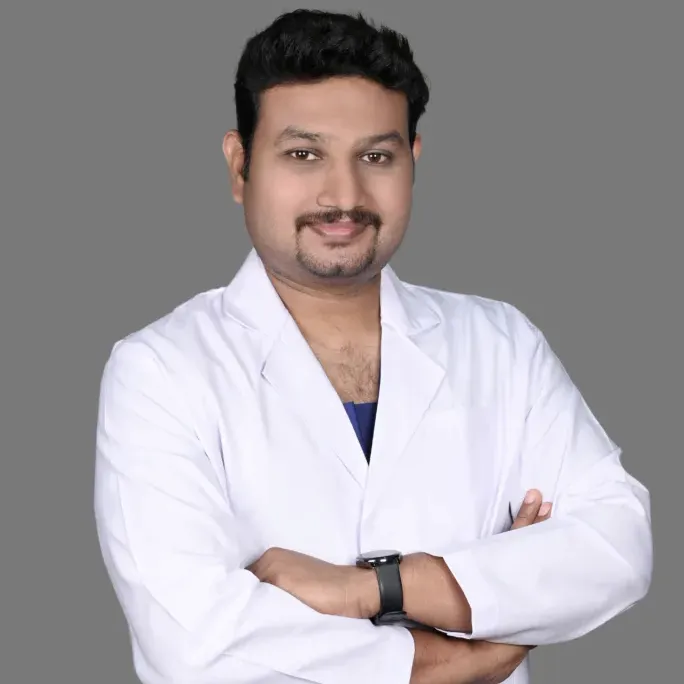
Dr. Pradeep S.
MDS (OMFS) · FHNS · FIBCSOMS
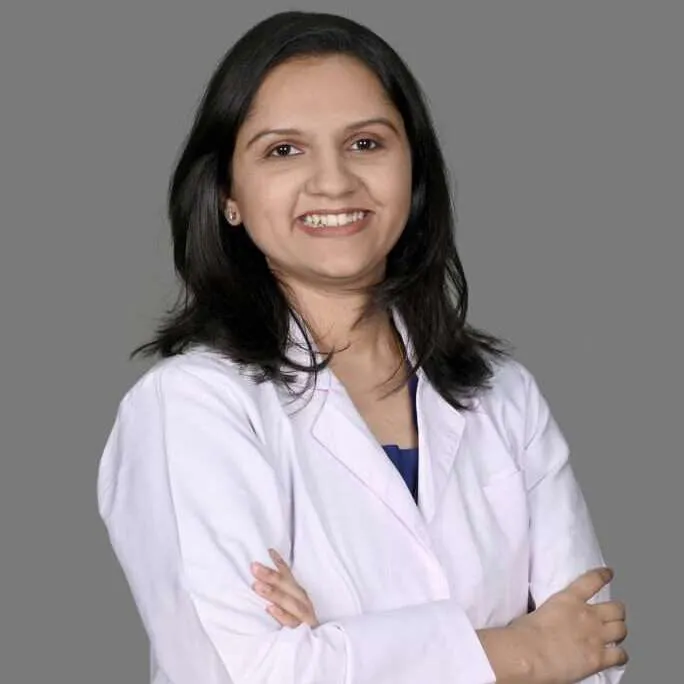
Dr. Kalpa Pandya
MDS (OMFS) · FHNS — Head & Neck Oncology
Authored by
Medically reviewed by