Oral Cancer Survivor Stories from Chennai
Need expert consultation? Book an appointment with Dr. Pradeep S. or Dr. Kalpa Pandya.
Book AppointmentFamilies searching for an oral cancer patient story Chennai are rarely looking for marketing. They want to know whether someone like them walked into Apollo Main Hospital on Greams Road with a non-healing ulcer, left with a clear plan, and rebuilt speech, eating and confidence afterwards.
This article shares composite journeys — pathways drawn from patterns we see repeatedly in our Chennai practice, not named testimonials and not promises that every case ends the same way. Stage, reconstruction type, adjuvant radiation and how diligently rehabilitation is followed all change the ending. What does not change is the sequence that works: early recognition, honest staging, same-sitting reconstruction when needed, and rehab planned before discharge.
At Mouth Cancer Surgeons, Dr. Pradeep S. and Dr. Kalpa Pandya treat oral cancer with a dual-surgeon model so ablative surgery, reconstruction and follow-up stay under one continuous plan. If you are still deciding whether to travel or book, start with what to expect at your first visit or a second opinion.
Journey 1: A Tongue Ulcer That Would Not Heal
A middle-aged professional from Chennai noticed a painless sore on the side of the tongue. Gels and home remedies bought two weeks. When the ulcer remained — and a firm edge appeared — a dentist referred for specialist review.
At consultation, a focused oral and neck examination raised concern. Biopsy confirmed squamous cell carcinoma. Staging imaging mapped local extent and neck nodes. The plan was partial glossectomy with selective neck dissection and soft-tissue reconstruction in the same sitting, followed by speech and swallowing therapy.
Hospital stay covered drains, swelling and early mobilisation. A temporary feeding tube protected the airway while swallow safety was assessed. Within weeks, supervised texture progression began. Months later, with consistent therapy, the patient returned to work conversations and a near-normal soft-to-solid diet — not overnight, and not without effort.
What this pathway teaches: Pain is a late filter. A two-week non-healing ulcer deserves examination. Early tongue disease is often highly treatable with function-preserving surgery. For day-to-day rehab detail, see life after tongue cancer surgery.
Journey 2: Cheek Cancer, Gutka History and Restricted Opening
A patient from a nearby district presented with progressive difficulty opening the mouth and a raw patch on the inner cheek after years of gutka use. Burning with spice had been “normal for tobacco users” for months. Examination showed trismus, blanched mucosa and a suspicious buccal lesion.
Work-up confirmed buccal mucosa cancer against a background of oral potentially malignant change. Treatment required wide excision, assessment of jaw bone, neck management and reconstruction — followed by jaw physiotherapy so scar did not lock the opening gained in theatre. Habit cessation was treated as part of oncology, not optional lifestyle advice.
Recovery included soft diet planning, speech clarity work for cheek stiffness, and surveillance for new patches. Dental rehabilitation was discussed early so chewing options were not an afterthought years later.
What this pathway teaches: Shrinking mouth opening with tobacco or areca use is a red flag, not a personality trait of habit users. See buccal mucosa cancer, gutka and pan masala risk, and oral cancer screening.
Journey 3: Outstation Family Seeking a Second Opinion
A family from eastern India arrived with a biopsy report labelled cancer and a surgical plan that did not clearly explain reconstruction or hospital stay length. They shared films and pathology over WhatsApp before travelling.
Remote review with Dr. Pradeep S. and Dr. Kalpa Pandya confirmed the diagnosis, refined staging questions, and outlined same-sitting reconstruction options at Apollo Main Hospital, Greams Road. The family travelled once, completed surgery and early rehab in Chennai, then shared later surveillance with a surgeon closer to home while imaging was reviewed remotely when needed.
What this pathway teaches: Travelling for surgery is expensive. Review first, travel second. Our oral cancer second opinion pathway exists for exactly this sequence — including when we agree that a local plan is already sound.
Treatment and Rehabilitation — The Shared Middle of Every Story
Regardless of site, successful journeys share the same middle chapters:
- Oncological clearance — margins and neck management appropriate to stage.
- Reconstruction — restoring volume and lining so speech and swallow have something to work with (free flap reconstruction when defects are large).
- Multidisciplinary rehab — speech-language pathology, dietetics, physiotherapy and dental work inside multidisciplinary cancer care.
- Surveillance — frequent reviews in year one, habit cessation, and prompt review of any new ulcer or patch.
The full staged pathway — speech, nutrition, implants, trismus care and follow-up — is summarised on oral cancer recovery and rehabilitation. Feeding-tube weaning and swallow safety are covered in our Chennai rehab guide: speech and swallowing rehab after oral cancer.
Life After Treatment — What “Survivor” Usually Means
“Survivor” in clinic language is not a finish line photo. It usually means:
- A stable diet texture reached through graded therapy, not guesswork at home.
- Understandable speech in daily life, even if articulation feels different.
- Surveillance appointments kept, because most recurrences declare themselves in the first two to three years.
- Tobacco and areca stopped, because continued use worsens healing and long-term risk.
Emotional recovery matters as much as wound healing. Appearance change, temporary tube dependence and fear of recurrence can block exercise adherence. Saying so early is clinical information, not weakness.
How You Can Get Help in Chennai
If your story is still on the first page — a sore, a white patch, a recent biopsy, or an unclear plan elsewhere — do not wait for perfect certainty:
- Review emergency symptoms if red flags are escalating this week.
- Read what to expect at your first oral cancer consultation and the hub page first visit.
- Book an appointment at Apollo Main Hospital, Greams Road, or send reports ahead on WhatsApp for outstation triage.
Composite stories cannot replace your staging scan. They can replace the fear that nobody in Chennai has walked this road with a dual-surgeon team that owns both the cancer operation and the recovery that follows.
Next step
Concerned about a symptom you read here? Get a specialist opinion in Chennai.
Dr. Pradeep S. and Dr. Kalpa Pandya consult at Apollo Hospitals, Greams Road. Same-day responses on WhatsApp for most enquiries.
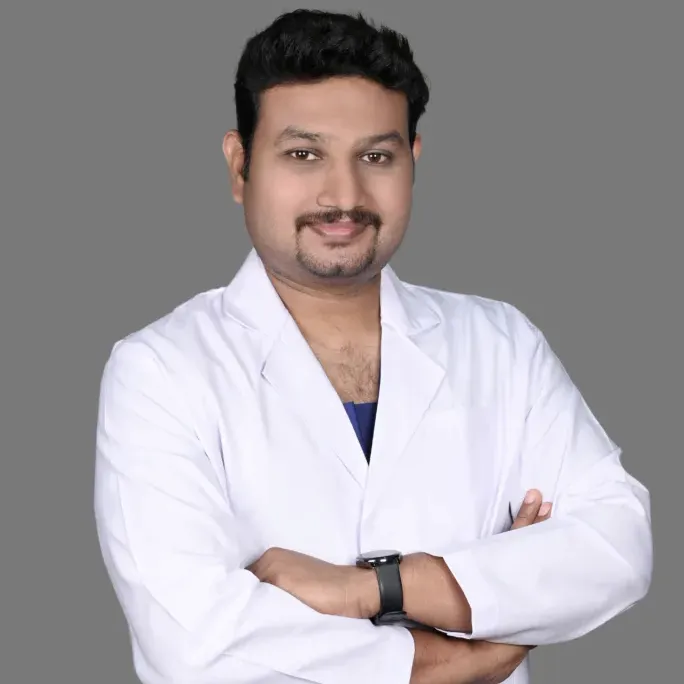
Dr. Pradeep S.
MDS (OMFS) · FHNS · FIBCSOMS
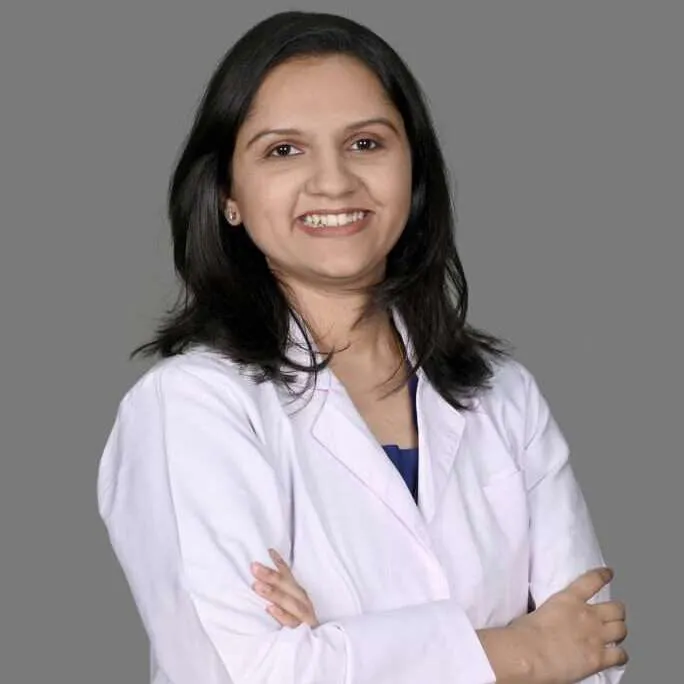
Dr. Kalpa Pandya
MDS (OMFS) · FHNS — Head & Neck Oncology
Authored by
Medically reviewed by