Which Doctor Treats Mouth Cancer? Specialist Guide
Need expert consultation? Book an appointment with Dr. Pradeep S. or Dr. Kalpa Pandya.
Book AppointmentDiscovering a persistent white patch, a red spot, or a non-healing ulcer in your mouth can be deeply concerning. When faced with the possibility of oral cancer, the immediate question is: which doctor should I consult?
Understanding the healthcare system during a medical crisis is challenging. You will encounter various terms: oral oncologist, onco-dentist, ENT (Otolaryngologist), head and neck surgeon, and surgical oncologist. Understanding the specific training, scope of practice, and clinical focus of each specialist is essential to securing the right treatment.
In our practice at Apollo Main Hospital, Greams Road, Chennai, we frequently meet patients who spent weeks bouncing between clinics before reaching the correct surgical team. This guide clarifies the medical specialties involved in oral cancer care, helping you make informed decisions for yourself or your loved ones.
The Maze of Medical Specialties: Who Does What?
Oral cancer does not behave like cancers in other parts of the body. The oral cavity—comprising the tongue, cheek lining (buccal mucosa), gums (alveolus), floor of the mouth, hard palate, and lips—is a highly complex anatomical zone. It governs essential human functions: speaking, chewing, swallowing, breathing, and facial expression.
Because of this anatomical complexity, several medical specialties intersect in this region. Here is a breakdown of the primary doctors you will encounter.
1. The Oral & Maxillofacial Surgeon (OMFS) with Head & Neck Oncology Training
An oral & maxillofacial surgeon begins with a dental degree (BDS) followed by specialized surgical residency (MDS in Oral & Maxillofacial Surgery) and dedicated fellowship training in Head & Neck Surgical Oncology (FHNS).
This dual background provides a deep understanding of dental occlusion (how the teeth bite together), jaw mechanics, and facial aesthetics, alongside rigorous training in oncological resection (removing the tumor) and complex microvascular reconstruction.
At our Chennai practice, Dr. Pradeep S. and Dr. Kalpa Pandya utilize this specialized training. Dr. Pradeep S., with over 15 years of experience, is an international board-certified surgeon (FIBCSOMS) specializing in major head and neck resections and reconstructions. Dr. Kalpa Pandya, with over a decade of experience, focuses on diagnosing oral potentially malignant disorders (OPMDs), facial trauma, and restoring oral function.
2. The General Surgical Oncologist
General surgical oncologists are general surgeons (MS) who have completed super-specialty training (MCh or DNB) in surgical oncology. They are experts in cancer biology and perform surgeries across various bodily systems, including breast, gastrointestinal, and soft tissue cancers.
While some general surgical oncologists perform head and neck surgeries, they may not have specialized training in dental occlusion, jaw reconstruction, or the delicate management of facial nerves.
3. The ENT (Otolaryngologist) / Head & Neck Surgeon
ENT surgeons (MS in Otolaryngology) specialize in the ear, nose, and throat. Many undergo further fellowship training in head and neck oncology.
They are highly skilled in treating cancers of the larynx (voice box), pharynx (throat), thyroid, and paranasal sinuses. However, for cancers involving the jawbones, teeth, and complex oral reconstructive surgery, they often collaborate with maxillofacial surgeons.
4. The "Onco-Dentist" or Oral Medicine Specialist
An "onco-dentist" is not a formal surgical designation but generally refers to an Oral Medicine and Radiology specialist (MDS) or a dentist specializing in supportive oncology.
These specialists are key to the early detection of oral potentially malignant disorders (OPMD), performing diagnostic biopsies, and managing the oral side effects of radiation and chemotherapy (such as dry mouth and radiation caries). They do not perform major cancer surgeries.
Comparing the Specialists: A Detailed Overview
To help you understand the differences, the table below compares these specialties across key clinical parameters essential for comprehensive mouth cancer care.
| Feature / Specialty | Oral & Maxillofacial Surgeon (OMFS - Oncology) | ENT / Head & Neck Surgeon | General Surgical Oncologist | Onco-Dentist / Oral Medicine |
|---|---|---|---|---|
| Primary Training | Dental (BDS) + Maxillofacial Surgery (MDS) + Oncology Fellowship | Medical (MBBS) + ENT Residency (MS) + Oncology Fellowship | Medical (MBBS) + General Surgery (MS) + Surgical Oncology (MCh) | Dental (BDS) + Oral Medicine & Radiology (MDS) |
| Anatomical Focus | Teeth, Jaws, Tongue, Cheeks, Lips, Neck | Ears, Nose, Throat, Voice Box, Thyroid, Neck | All solid tumours; many Indian centres have dedicated head & neck units | Oral mucosa, Teeth, Non-surgical oral lesions |
| Biopsy & Diagnosis | Yes (Highly focused on oral cavity) | Yes (Mainly throat/sinus lesions) | Yes (General biopsies) | Yes (Excellent for early screening) |
| Tumor Resection | Yes (Excellent for oral cavity & jaw bones) | Yes (Excellent for throat, larynx, thyroid) | Yes (Broad cancer resection) | No (Surgical referral only) |
| Jaw Bone Management | Expert (Sparing, cutting, and rebuilding jaw bones) | Yes for resection; reconstruction often shared with OMFS or plastic surgery | Yes for resection; reconstruction usually shared with a reconstructive team | No (Non-surgical) |
| Microvascular Reconstruction | Expert (Free flaps, fibula, forearm, PMMC flaps) | Varies by centre; often with a reconstructive colleague | Varies by centre; often with a reconstructive colleague | No |
| Dental Implant & Occlusion Rehab | Expert (Directly plans future dental rehabilitation) | No | No | Supportive (Manages oral hygiene & prosthetics) |
If you are experiencing symptoms like a persistent mouth ulcer or a white patch, seeking early expert evaluation is crucial. You can schedule a consultation with Dr. Pradeep S. and Dr. Kalpa Pandya at Apollo Main Hospital, Greams Road, Chennai.
Why Reconstruction Training is Crucial in Mouth Cancer Surgery
Treating mouth cancer is not just about removing the disease; it is about preserving the patient's quality of life. The human mouth is central to communication, nutrition, and social interaction.
When a surgeon removes a tumor from the tongue, cheek, or jaw, they create a functional defect. If this defect is not reconstructed with high precision, the patient may face severe challenges, such as:
- Inability to swallow food or liquids (leading to long-term feeding tube dependence)
- Severe speech impairment (slurred or unintelligible speech)
- Facial disfigurement and drooling
- Loss of the ability to chew due to misaligned jaws
This is where the specialized training of an oral & maxillofacial oncology team is vital. Maxillofacial surgeons are trained in both resection and reconstructive and restorative surgery.
Microvascular Free Flaps: The Gold Standard
Modern oral cancer surgery relies heavily on microvascular free tissue transfer. This procedure involves taking tissue (skin, muscle, or bone) from another part of the patient's body—such as the forearm (radial forearm free flap) or the leg (fibula free flap)—and transplanting it to the mouth. The tiny blood vessels of the transplanted tissue are sutured to blood vessels in the neck under a microscope to restore blood flow.
- For Tongue Cancers: A soft tissue flap (like the radial forearm flap) is sculpted to recreate a mobile, functional tongue, preserving speech and swallowing.
- For Jaw Cancers: A fibula free flap utilizes the calf bone to reconstruct the missing jawbone. Because maxillofacial surgeons understand dental occlusion, they align the reconstructed bone precisely to allow for future dental implants, restoring the patient's ability to chew.
Not sure what your symptom means? Dr. Pradeep S. and Dr. Kalpa Pandya see patients at Apollo Main Hospital, Greams Road, Chennai. Book a consultation or call +91 96633 03747 for an early, unhurried assessment.
The Dual-Surgeon Model: Comprehensive Care in Chennai
At our practice, Mouth Cancer Surgeons in Chennai, we utilize a dual-surgeon model. Dr. Pradeep S. and Dr. Kalpa Pandya collaborate on every case from initial diagnosis through surgery and long-term follow-up.
In many hospitals, one surgeon performs the tumor resection, and a different plastic surgeon is called in to perform the reconstruction. While this is a standard approach, it can sometimes lead to communication gaps regarding the precise functional goals of the reconstruction.
Our dual-surgeon model offers distinct advantages:
- Simultaneous Two-Team Surgery: During major reconstructive surgeries, Dr. Pradeep S. can lead the tumor removal and neck dissection, while Dr. Kalpa Pandya simultaneously harvests the reconstructive flap from the leg or arm. This parallel approach reduces anesthesia time, which is key to minimizing post-operative complications and accelerating recovery.
- Unified Treatment Planning: Both surgeons review the clinical staging, 3D CT scans, and virtual surgical planning together. The reconstruction is planned with the final dental rehabilitation in mind from day one.
- Consistent Long-Term Surveillance: Patients see the same two surgeons at every follow-up visit at Apollo Main Hospital, Greams Road. This consistent care ensures that any signs of recurrence or late complications are identified early.
What to Expect During Your First Consultation
If you are referred to our clinic with a suspected or confirmed oral cancer diagnosis, your first consultation is structured to provide clarity and a clear path forward.
Step 1: Comprehensive Clinical Evaluation
We perform a detailed examination of your entire oral cavity, neck, and cranial nerves. We evaluate the mobility of your tongue, check for swollen lymph nodes in your neck, and assess your jaw opening.
Step 2: Biopsy Review or Performance
A biopsy is the only definitive way to diagnose oral cancer. If you have already had a biopsy, we will review the histopathology report. If not, we can perform a quick, minimally invasive incisional biopsy in our outpatient clinic under local anesthesia. You can read more about this in our oral cancer biopsy guide.
Step 3: Advanced Imaging & Staging
To determine the exact size of the tumor and see if it has spread to the jawbone or neck lymph nodes, we arrange for high-resolution imaging, such as a contrast-enhanced CT scan or an MRI of the head and neck.
Step 4: Multidisciplinary Tumor Board Discussion
At Apollo Main Hospital, Greams Road, complex cases are presented to a multidisciplinary tumor board. This board includes surgical oncologists, radiation oncologists, medical oncologists, radiologists, and pathologists. Together, we formulate a personalized, evidence-based treatment plan tailored to your specific condition.
Key Questions to Ask Your Specialist
When consulting a doctor for mouth cancer, preparing a list of questions can help you understand your treatment options. Consider asking the following:
- What is the exact sub-site and stage of my oral cancer?
- Will my surgery require removing a portion of my jawbone?
- What reconstructive technique do you recommend to preserve my speech and swallowing?
- Will you be able to reconstruct my jaw so that I can get dental implants in the future?
- Who will perform the reconstruction—you or a separate plastic surgery team?
- What is the expected recovery timeline, and when can I start eating normally again?
- Will I require post-operative radiation therapy or chemotherapy?
Navigating Multidisciplinary Oncology Care
While the oral & maxillofacial surgical oncologist often leads the treatment for oral cavity cancers, comprehensive care involves a team of specialists. This collaborative approach is known as multidisciplinary oncology care.
                  ┌──────────────────────────────────────────┐
                  │      Oral & Maxillofacial Surgeon        │
                  │  (Leads Resection & Reconstruction)      │
                  └────────────────────┬─────────────────────┘
                                       │
         ┌─────────────────────────────┼─────────────────────────────┐
         ▼                             ▼                             ▼
┌─────────────────┐           ┌─────────────────┐           ┌─────────────────┐
│    Radiation    │           │     Medical     │           │  Rehabilitative │
│    Oncologist   │           │    Oncologist   │           │      Team       │
│(Adjuvant Therapy│           │ (Chemotherapy / │           │(Speech, Swallow,│
│  if indicated)  │           │ Immunotherapy)  │           │ Dental Implants)│
└─────────────────┘           └─────────────────┘           └─────────────────┘
- Radiation Oncologists: Deliver targeted radiation therapy after surgery if the pathology report shows high-risk features (such as close margins or lymph node involvement).
- Medical Oncologists: Administer chemotherapy or immunotherapy, often in combination with radiation, for advanced-stage disease.
- Speech and Swallowing Pathologists: Guide you through exercises before and after surgery to help restore speech clarity and safe swallowing.
- Prosthodontists: Collaborate with us to design obturators or dental prostheses that restore your bite after surgical healing.
For personalized treatment options and expert care, consult Dr. Pradeep S. and Dr. Kalpa Pandya — Mouth Cancer Surgeons, Chennai. Call +91 96633 03747 or book an appointment.
References
- National Comprehensive Cancer Network (NCCN). "Clinical Practice Guidelines in Oncology: Head and Neck Cancers." NCCN Guidelines, 2024. https://www.nccn.org
- Indian Association of Surgical Oncology (IASO). "Clinical Practice Guidelines for Management of Oral Cavity Cancers." Indian Journal of Surgical Oncology, 2022.
- Shah, Jatin P., et al. Surgical Oncology of the Head and Neck. London: Jaypee Brothers Medical Publishers, 2019.
- World Health Organization. "Oral Cancer Prevention and Control." WHO Technical Report Series, 2023. https://www.who.int
- Federation of Operative Dentistry of India. "Guidelines on Dental Management of Patients Undergoing Head and Neck Radiotherapy." Journal of Conservative Dentistry, 2021.
Next step
Concerned about a symptom you read here? Get a specialist opinion in Chennai.
Dr. Pradeep S. and Dr. Kalpa Pandya consult at Apollo Hospitals, Greams Road. Same-day responses on WhatsApp for most enquiries.
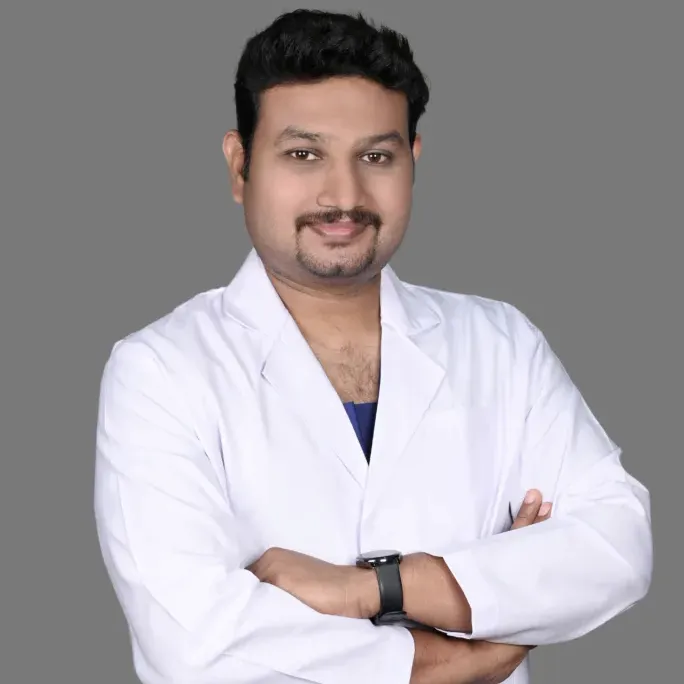
Dr. Pradeep S.
MDS (OMFS) · FHNS · FIBCSOMS
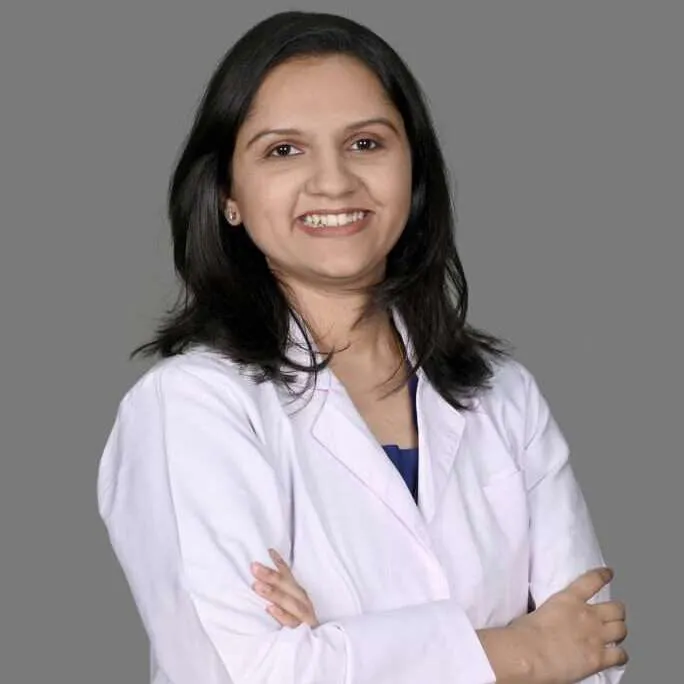
Dr. Kalpa Pandya
MDS (OMFS) · FHNS — Head & Neck Oncology
Authored by
Medically reviewed by