TMJ Jaw Clicking & Pain: Beyond Night Guards in Chennai

Need expert consultation? Book an appointment with Dr. Pradeep S. or Dr. Kalpa Pandya.
Book AppointmentWaking up with a dull ache in your temples, a stiff jaw, or an audible "pop" every time you yawn is a surprisingly common experience. For many, the immediate recommendation from a dentist is a custom dental night guard (occlusal splint). While these appliances are highly effective at protecting teeth from the destructive forces of nocturnal grinding (bruxism) and relaxing overworked masticatory muscles, they are not a cure-all.
When you suffer from persistent jaw clicking and pain TMJ disorder when you need more than a night guard, relying solely on a plastic mouthpiece can delay essential medical care. If your jaw locks, if the pain radiates down your neck, or if you find yourself struggling to chew solid food, the problem likely lies deep within the anatomy of the temporomandibular joint (TMJ) itself.
As oral and maxillofacial surgeons, we frequently consult patients at our Chennai practice who have spent months, or even years, wearing various splints without experiencing relief. True recovery requires looking beyond the teeth to address the complex hard and soft tissues of the jaw joint.
Understanding TMJ Anatomy: What Causes the Clicking?
The temporomandibular joint is one of the most complex joints in the human body. It acts like a sliding hinge, connecting your jawbone (mandible) to your skull (temporal bone). This joint allows for the multi-directional movements necessary for speaking, chewing, and swallowing.
+-------------------------------------------------------------+

|                      TEMPORAL BONE                          |
|  +-------------------------------------------------------+  |
|  |                    Gleoid Fossa                       |  |
|  +-------------------------------------------------------+  |
|               [ Articular Disc (Cartilage) ]                | <--- Sliding Cushion
|  +-------------------------------------------------------+  |
|  |                   Mandibular Condyle                  |  |
|  +-------------------------------------------------------+  |
|                        MANDIBLE                             |

+-------------------------------------------------------------+
To prevent bone-on-bone friction, a small, fibrous cushion called the articular disc sits between the condyle (the rounded end of the jawbone) and the skull.
-
The Normal State: As you open your mouth, the condyle rotates and glides forward, and the articular disc moves smoothly along with it, maintaining a protective barrier.
-
The Clicking State (Internal Derangement): In many TMJ disorders, this disc becomes displaced—most commonly forward (anterior displacement). When you open your jaw, the condyle slides forward and "pops" back onto the thickest part of the disc. This sudden movement produces the characteristic clicking or popping sound.
-
The Locked State: If the disc is severely displaced and cannot pop back into its proper position, it acts as a physical barrier. This prevents the jaw from opening fully, a painful condition known as "closed lock."
While a night guard can reduce the muscle pressure acting on this joint, it cannot physically reposition a structurally damaged or displaced disc. This structural mismatch is why advanced, targeted interventions are often required.
The Limits of Night Guards: Why They Fail in Complex Cases
Dental night guards are excellent first-line tools for managing myofascial pain—discomfort that originates primarily in the muscles of mastication due to clenching or grinding. By slightly separating the upper and lower teeth, a guard reduces the intensity of muscle contractions, allowing the jaw muscles to rest.
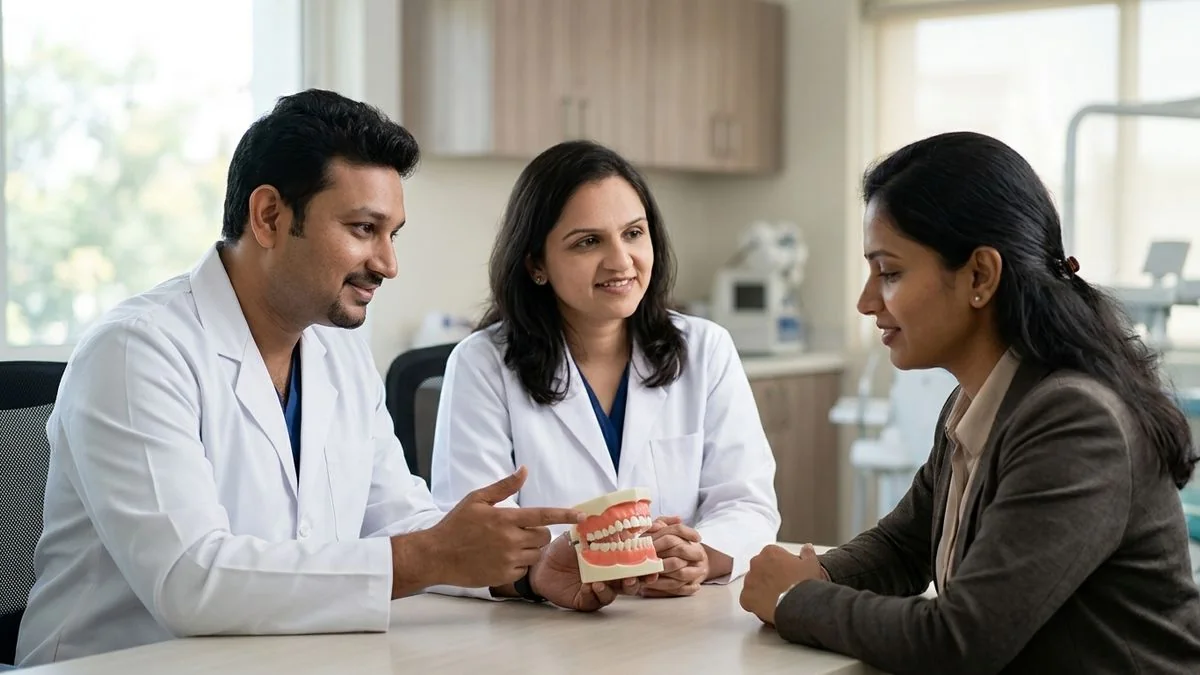
However, a night guard cannot resolve the following joint-specific pathologies:
-
Structural Disc Displacement: If the ligaments holding the articular disc in place are stretched, torn, or degenerated, a night guard cannot pull the disc back into its anatomical position.
-
Inflammatory Joint Disease: Conditions like synovitis (inflammation of the joint lining) or osteoarthritis (wear-and-tear of the joint cartilage) involve chemical inflammatory cascades within the joint fluid that require targeted medical or physical therapies.
-
Bony Changes: Over time, chronic instability can lead to the flattening or erosion of the mandibular condyle. A plastic guard cannot reverse bone loss or reshape damaged joint structures.
-
Myofascial Trigger Points: Deep-seated muscle knots may become chronic and self-sustaining, requiring direct trigger-point therapy, physical therapy, or dry needling rather than simple bite splinting.
If you have worn a custom, professionally adjusted night guard for more than six to twelve weeks without a significant reduction in jaw clicking, pain, or locking, it is a clear clinical indicator that your condition requires a comprehensive evaluation by an oral and maxillofacial specialist.
Red Flags: When to Seek Advanced Maxillofacial Care
Continuing to use an ineffective night guard while ignoring worsening joint symptoms can lead to irreversible damage, including chronic pain syndromes and severe joint degeneration.
If you experience any of the following "red flag" symptoms, you should schedule a consultation with a specialist immediately:
-
Inability to Open Your Mouth Fully (Locked Jaw): A normal mouth opening is between 40 to 50 millimeters (roughly the width of three fingers). If your opening is restricted to 30 millimeters or less, or if your jaw suddenly "catches" or locks, the internal joint structures are compromised.
-
Grating or Grinding Sounds (Crepitus): Unlike a clean click, a dry, grating sound (similar to stepping on gravel) indicates that the protective disc has worn away entirely, resulting in bone-on-bone friction. This is a primary sign of TMJ osteoarthritis.
-
Asymmetrical Jaw Movement: If your jaw deviates significantly to one side when you open your mouth, it indicates that one joint is restricted or damaged, causing an imbalance.
-
Unbearable, Radiating Pain: Pain that shoots into your ear, down your neck, or triggers chronic, migraine-like headaches that do not respond to standard over-the-counter pain relievers.
-
Sudden Changes in Your Bite: If your teeth no longer fit together the way they used to, or if you experience a sudden shift in your occlusion, it may indicate rapid changes in the joint space or condyle shape.
At our practice, we emphasize that early diagnosis prevents minor joint derangements from progressing to irreversible structural damage. Managing these complex cases is a cornerstone of our oral and maxillofacial surgery service.
Advanced Diagnostic Protocols: Looking Beyond the Teeth
An accurate diagnosis is the foundation of any successful treatment plan. When you visit our Chennai clinic, we do not simply look at your teeth; we evaluate the entire musculoskeletal system of the head and neck.
+---------------------------------------------------------------------------------+

|                          TMJ DIAGNOSTIC WORKUP                                  |

+---------------------------------------------------------------------------------+

|  1. CLINICAL EXAMINATION                                                        |
|     - Range of motion mapping                                                   |
|     - Joint palpation & muscle tenderness assessment                            |
|     - Auscultation (listening for clicks, pops, or crepitus)                    |

+---------------------------------------------------------------------------------+

|  2. ADVANCED IMAGING                                                            |
|     - CBCT (Cone Beam Computed Tomography): Visualizes bony changes & erosion   |
|     - MRI (Magnetic Resonance Imaging): Gold standard for soft tissue/disc      |

+---------------------------------------------------------------------------------+

|  3. FUNCTIONAL ANALYSIS                                                         |
|     - Bite alignment assessment & muscle tracking                               |

+---------------------------------------------------------------------------------+
1. Comprehensive Clinical Examination
We measure your vertical and lateral jaw movements, palpate the joint and surrounding muscles to identify specific trigger points, and listen to joint sounds using specialized auscultation techniques.
2. High-Resolution 3D Imaging
-
Cone Beam Computed Tomography (CBCT): This provides detailed, three-dimensional views of the bony structures of the TMJ. It allows us to detect early signs of arthritis, condylar wear, bone spurs, or structural abnormalities.
-
Magnetic Resonance Imaging (MRI): The MRI is the undisputed gold standard for TMJ evaluation. Because it captures soft tissues perfectly, it allows us to see the exact position, shape, and health of the articular disc, as well as the presence of joint effusion (fluid buildup due to inflammation).
By combining these diagnostic tools, we can pinpoint whether your pain is muscular, structural, inflammatory, or a combination of these factors, allowing us to design a highly targeted treatment plan.
Advanced TMJ Treatments: Moving Beyond the Night Guard
When conservative therapies like night guards and soft diets fail, a wide spectrum of advanced, evidence-based treatments can restore joint function and eliminate pain. These treatments range from minimally invasive office procedures to advanced surgical reconstructions.
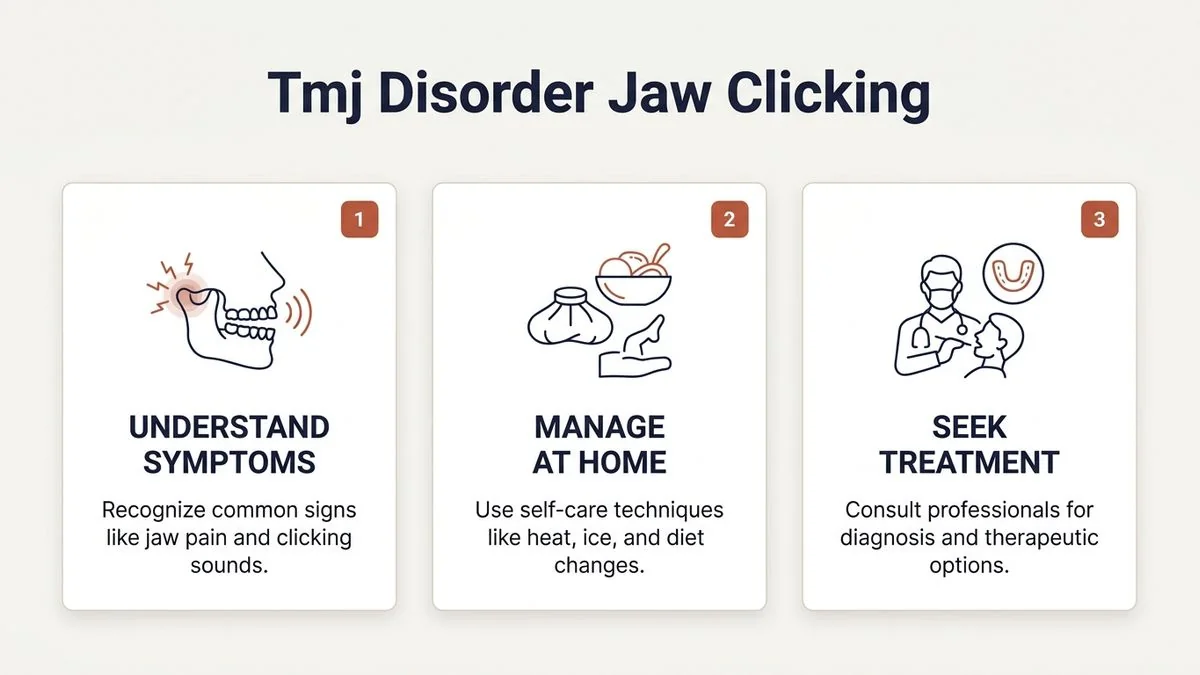
1. Pharmacotherapy and Trigger Point Injections
For severe muscle spasms and localized inflammation, targeted medical management is highly effective. This may include short courses of muscle relaxants, anti-inflammatory medications, or low-dose tricyclic agents to calm overactive nerves.
Additionally, we perform precise trigger point injections or therapeutic Botox injections directly into hyperactive masticatory muscles (such as the masseter and temporalis). This temporarily relaxes the muscles, breaks the cycle of chronic pain, and allows the joint structures to rest and heal.
2. TMJ Arthrocentesis (Joint Lavage)
This is a highly successful, minimally invasive outpatient procedure performed under local anesthesia or mild sedation.
During arthrocentesis, we insert two sterile needles into the upper joint space of the TMJ. We then gently flush the joint with sterile saline. This process:
-
Washes out microscopic inflammatory chemicals and pain mediators.
-
Breaks up fine fibrous adhesions (scar tissue) that restrict disc movement.
-
Dilates the joint space, allowing the displaced disc to glide more freely.
-
Ends with the injection of a therapeutic agent, such as a corticosteroid to reduce inflammation or hyaluronic acid to lubricate the joint.
Arthrocentesis is exceptionally effective for patients suffering from acute "closed lock" or persistent, painful clicking that has not responded to conservative care.
3. TMJ Arthroscopy
If arthrocentesis does not provide lasting relief, TMJ arthroscopy is the next step. This minimally invasive procedure is performed under general anesthesia.
We insert a tiny camera (arthroscope) into the joint through a micro-incision. This allows us to directly visualize the internal structures of the joint on a high-definition monitor. Using specialized micro-instruments, we can:
-
Remove scar tissue and inflammatory debris.
-
Perform selective cauterization to reduce tissue swelling.
-
Reposition and secure a displaced disc back onto the condyle (arthroscopic discopexy).
Because arthroscopy uses tiny incisions, recovery is rapid, and patients experience minimal post-operative discomfort.
4. Open Joint Surgery (Arthroplasty)
For a small percentage of patients with severe structural damage, open joint surgery is necessary. This is typically indicated for advanced osteoarthritis, severe disc degeneration or tearing, bony ankylosis (where the joint fuses together), or benign joint tumors.
Key open surgical procedures include:
-
Discectomy: Removing a severely damaged, non-salvageable disc. We may replace it with a biological graft (such as a temporalis fascia graft) or a biocompatible material to prevent bone-on-bone contact.
-
Condyloplasty: Reshaping a deformed or arthritic mandibular condyle to restore smooth joint movement.
-
Total TMJ Replacement: In cases of complete joint destruction or ankylosis, we can replace the entire joint with a custom-fabricated prosthetic joint, similar to a hip or knee replacement. This complex procedure restores full function and eliminates chronic pain.
Comparing TMJ Treatment Options
To help you understand the path from conservative care to advanced intervention, we have outlined the primary treatment modalities below:
| Treatment Phase | Modality | Primary Indication | Expected Outcome | Recovery Time |
|---|---|---|---|---|
| Phase 1: Conservative | Custom Night Guards, Soft Diet, Physical Therapy | Mild muscle soreness, teeth grinding, occasional painless clicking | Muscle relaxation, protection of teeth, joint unloading | None (Ongoing) |
| Phase 2: Minimally Invasive | Trigger Point / Botox Injections | Severe muscle spasms, myofascial pain syndrome | Relief of localized muscle tension, pain reduction | 1 - 2 Days |
| Phase 3: Interventional | TMJ Arthrocentesis (Joint Lavage) | Painful clicking, acute locked jaw, joint inflammation | Removal of inflammatory factors, restoration of jaw opening | 2 - 3 Days |
| Phase 4: Advanced Surgical | TMJ Arthroscopy or Open Arthroplasty | Severe disc displacement, joint degeneration, bone-on-bone friction | Structural repair of the joint, long-term pain elimination | 1 - 4 Weeks |
If you are experiencing persistent symptoms, early consultation is important. Book an appointment with Dr. Pradeep S. and Dr. Kalpa Pandya at Apollo Main Hospital, Greams Road, Chennai.
The Dual-Surgeon Advantage: Comprehensive TMJ Care in Chennai
At Mouth Cancer Surgeons, our name reflects our deep expertise in highly complex head and neck surgical oncology and reconstruction. However, as board-certified oral and maxillofacial surgeons, our core training encompasses the entire spectrum of jaw pathology, facial trauma, and joint disorders.
We apply the same level of surgical precision, anatomical expertise, and multidisciplinary care to our patients with severe TMJ disorders.
                  +-----------------------------------------+

                  |         THE TWO-SURGEON ADVANTAGE       |

                  +-----------------------------------------+

                                    /       \

                                   /         \

                                  /           \

         +--------------------------+       +--------------------------+

         |     DR. PRADEEP S.       |       |    DR. KALPA PANDYA      |
         |  Reconstructive Expert   |       |  Joint Pathology Expert  |

         +--------------------------+       +--------------------------+

                                  \           /

                                   \         /

                                    \       /

                  +-----------------------------------------+

                  |  - Dual Case Analysis                   |
                  |  - Combined Surgical Expertise          |
                  |  - Seamless, Long-Term Patient Care     |

                  +-----------------------------------------+
Our practice operates on a unique dual-surgeon model. When you consult us for complex jaw alignment & TMJ disorders, both Dr. Pradeep S. and Dr. Kalpa Pandya review your clinical findings, imaging, and treatment plan together.
-
Dr. Pradeep S. brings extensive experience in complex head, neck, and reconstructive surgeries, ensuring that any structural or bony intervention is planned with absolute anatomical precision.
-
Dr. Kalpa Pandya has spent over a decade managing complex maxillofacial pathologies, facial trauma, and joint disorders, ensuring a highly compassionate, patient-centered approach to functional rehabilitation.
By having both surgeons guide your care—from your initial diagnostic MRI through to your post-operative physical therapy—you benefit from a depth of surgical oversight that is rare in modern medical practice. Whether you require a minimally invasive arthrocentesis or a complex open joint reconstruction, you are in the hands of two highly experienced specialists.
Post-Treatment Rehabilitation: Ensuring Long-Term Success
Regardless of the treatment modality chosen, rehabilitation is crucial for achieving long-term, pain-free jaw function. The jaw joint is constantly active, meaning that post-treatment care must be carefully structured.
1. Progressive Physical Therapy
Following any joint intervention, we design a customized physical therapy program. This includes gentle, passive jaw-stretching exercises to maintain and improve your range of motion, prevent the formation of new scar tissue, and strengthen the supporting muscles of mastication.
2. Dietary Modifications
To allow the joint structures to heal, we recommend a soft-food diet immediately following procedures like arthrocentesis or surgery. This minimizes the load placed on the joint condyles. Gradually, as healing progresses, you will transition back to a normal, unrestricted diet.
3. Long-Term Joint Protection
Even after successful treatment, maintaining good jaw habits is essential. This includes avoiding extreme jaw movements (such as biting directly into large apples or chewing extremely hard candies), managing stress to reduce unconscious clenching, and, in some cases, continuing to wear a protective night guard to manage nocturnal bruxism.
Our team provides continuous, long-term surveillance and support, ensuring that your recovery is smooth, comfortable, and permanent.
Choosing the Right Specialist for Your TMJ Journey
If you are struggling with persistent jaw pain, choosing the right specialist is the most important decision you will make. While general dentists are highly skilled at managing teeth, structural joint disorders fall firmly within the domain of oral and maxillofacial surgery.
At Mouth Cancer Surgeons, we combine advanced surgical expertise with a compassionate, patient-first philosophy. We consult primarily at Apollo Main Hospital, Greams Road, Chennai, a world-class facility equipped with the advanced imaging, surgical suites, and multidisciplinary support necessary to deliver the highest standard of care.
Don't let chronic jaw clicking and pain dictate your quality of life. If you have realized that your condition requires more than a simple night guard, we are here to help you find a lasting solution.
References
-
Al-Moraissi, E. A., et al. "Do minimally invasive procedures improve pain and jaw range of motion in patients with temporomandibular joint osteoarthritis? A systematic review and meta-analysis." Journal of Cranio-Maxillofacial Surgery, 2018.
-
Dimitroulis, G. "The role of surgery in the management of temporomandibular joint disorders: A review." Australian Dental Journal, 2011.
-
Speciali, J. G., & Dach, F. K. "Temporomandibular Disorders and Headache." Headache: The Journal of Head and Face Pain, 2015.
-
National Institutes of Health (NIH). "Temporomandibular Disorders (TMD)." National Institute of Dental and Craniofacial Research, 2023. https://www.nidcr.nih.gov/health-info/tmd
-
American Association of Oral and Maxillofacial Surgeons (AAOMS). "Parameters of Care: Temporomandibular Joint Surgery." Journal of Oral and Maxillofacial Surgery, 2020.
Next step
Concerned about a symptom you read here? Get a specialist opinion in Chennai.
Dr. Pradeep S. and Dr. Kalpa Pandya consult at Apollo Hospitals, Greams Road. Same-day responses on WhatsApp for most enquiries.
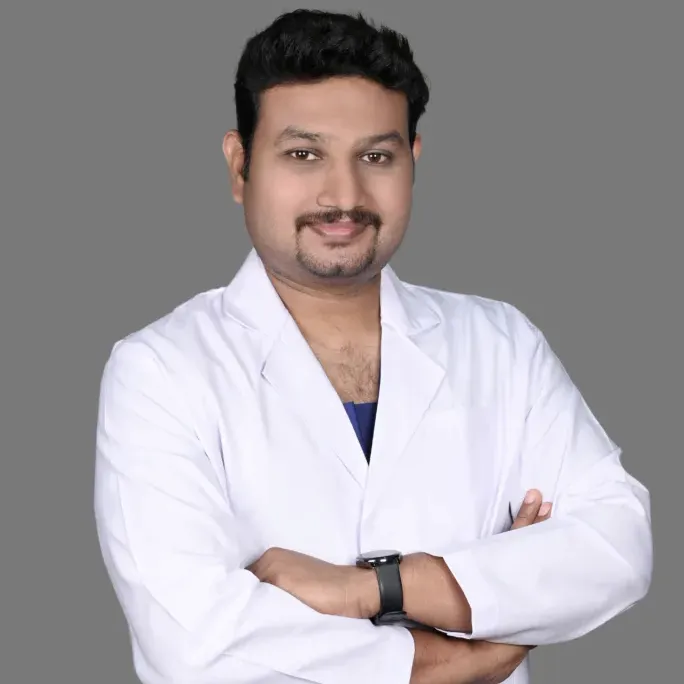
Dr. Pradeep S.
MDS (OMFS) · FHNS · FIBCSOMS
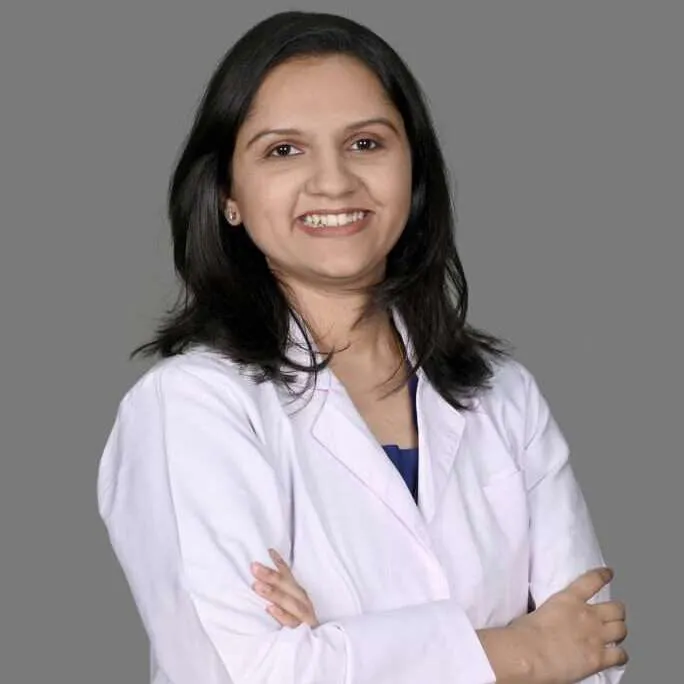
Dr. Kalpa Pandya
MDS (OMFS) · FHNS — Head & Neck Oncology
Authored by
Medically reviewed by