Jaw Alignment: Symptoms, Causes, and Treatment Options
Need expert consultation? Book an appointment with Dr. Pradeep S. or Dr. Kalpa Pandya.
Book AppointmentUnderstanding how your upper and lower teeth meet is fundamental to both your oral health and overall physical well-being. Correct jaw alignment ensures that the complex systems of bones, muscles, and joints in your face work in harmony, preventing chronic pain and wear. When structural discrepancies arise, identifying the root cause with a specialist in oral and maxillofacial surgery is the first step toward finding a lasting, life-changing solution.
What is Jaw Alignment and Why Does It Matter?
Jaw alignment refers to the precise, harmonious relationship between the upper jaw (maxilla) and the lower jaw (mandible). In a healthy skeletal system, these two structures fit together seamlessly, allowing the upper and lower teeth to interlock comfortably when the mouth is closed. This relationship is not merely aesthetic; it forms the foundation of the stomatognathic system, which governs chewing, swallowing, speaking, and breathing.
When your jaws are properly aligned, the mechanical forces generated by chewing are distributed evenly across your teeth, periodontal ligaments, and the temporomandibular joints (TMJ). This balanced force distribution prevents any single area from bearing excessive stress. Conversely, a structural misalignment—known clinically as a malocclusion—disrupts this balance. Over time, an unbalanced bite can lead to localized tooth wear, muscular strain, joint degeneration, and even structural changes in the airway.
Because the jaw bones house the teeth and support the soft tissues of the lower face, their position directly influences facial symmetry and profile aesthetics. Diagnosing and managing complex skeletal discrepancies requires the specialized training of oral and maxillofacial surgeons. These specialists look beyond the surface of the teeth to evaluate the underlying bony architecture, ensuring that both functional stability and facial harmony are restored.
The Anatomy of a Healthy Bite
A healthy bite, or ideal occlusion, is characterized by specific structural relationships:
-
The Maxillary Overlap: The upper arch of teeth should sit slightly outside the lower arch, with the upper front teeth overlapping the lower front teeth by about 2 to 3 millimeters.
-
Intercuspation: The cusps (pointed parts) of the upper molars should fit neatly into the grooves of the lower molars, acting like interlocking gears.
-
Joint Centricity: The condyles (the rounded ends of the lower jaw bone) should rest comfortably within the joint sockets (glenoid fossae) without causing tension in the surrounding muscles or ligaments.
Common Signs Your Upper and Lower Jaws Are Misaligned
Recognizing a jaw discrepancy early can prevent years of progressive discomfort and dental wear. While some alignment issues are obvious to the naked eye, others manifest as subtle, chronic symptoms that patients may not immediately associate with their jaw structure.
Aesthetic and Structural Signs
The visual impact of jaw misalignment is often the first thing patients notice. These structural signs can significantly alter facial harmony:
-
Receding Chin (Retrognathia): A lower jaw that sits too far back, often creating the appearance of a weak chin or a double chin, even in individuals with low body fat.
-
Protruding Lower Jaw (Prognathia): A prominent lower jaw that projects forward, often causing the lower lip to rest in front of the upper lip.
-
Facial Asymmetry: A noticeable shift of the chin to one side, or an uneven alignment of the lips when smiling or resting.
-
Gummy Smile: An overdevelopment of the upper jaw that exposes an excessive amount of gum tissue above the upper teeth when smiling.
Functional Difficulties
When the skeletal foundation is off, daily oral functions become compromised:
-
Inefficient Chewing: Difficulty tearing or grinding food, which can lead to swallowing larger pieces of food and subsequent digestive issues.
-
Speech Impediments: Persistent lisps or difficulty pronouncing certain consonants (like 's', 'z', 't', or 'd') because the tongue cannot make proper contact with the palate or teeth.
-
Inability to Close Lips Comfortably: Lip incompetence, where a patient must actively strain their facial muscles to bring their lips together over protruding teeth or jaws.
Chronic Physical Symptoms
The strain of a misaligned jaw extends far beyond the mouth, causing secondary symptoms throughout the head and neck:
-
Chronic Tension Headaches: Caused by the constant, involuntary overworking of the temporalis and masseter muscles as they try to force a misaligned bite into a functional position.
-
Mouth Breathing and Sleep Apnea: A narrow or retroverted jaw can restrict the posterior airway, forcing patients to breathe through their mouth and increasing the risk of obstructive sleep apnea.
-
Unbalanced Dental Wear: Accelerated wear, chipping, or fracturing of specific teeth that bear the brunt of an uneven bite.
Dental vs. Skeletal Jaw Alignment Issues
To understand the best treatment path, it is crucial to distinguish between problems originating from the teeth themselves and those rooted in the underlying facial bones. While they often coexist, their solutions are fundamentally different.
| Criteria | Dental Malocclusion | Skeletal Jaw Discrepancy |
|---|---|---|
| Nature of the problem | Crooked, crowded, or tipped teeth | Mismatched size or position of the jaw bones |
| Who manages it | Orthodontist | Oral and maxillofacial surgeon |
| Treatment | Braces or clear aligners | Orthognathic (corrective jaw) surgery |
| What it changes | Moves teeth within the bone | Repositions the bone structures |
What is Dental Malocclusion?
Dental malocclusion occurs when the upper and lower jaw bones are perfectly proportioned and positioned, but the teeth within those bones are crowded, crooked, rotated, or spaced poorly. Common examples include mild crowding or teeth that have drifted due to early tooth loss.
Because the underlying skeletal base is healthy, these issues are strictly dental. They are highly responsive to orthodontic forces. An orthodontist can use traditional braces or clear aligners to guide the teeth into their ideal positions within the existing bone, establishing a functional and aesthetic bite without surgical intervention.
What is a Skeletal Jaw Discrepancy?
A skeletal jaw discrepancy exists when the actual bones of the face—the maxilla, the mandible, or both—are mismatched in size, shape, or relative position. No amount of tooth movement alone can resolve a true skeletal discrepancy because the foundation itself is misplaced. For example, if the lower jaw is physically too short, moving the teeth forward with braces will only tip them out of the supporting bone, compromising their long-term stability.
Treating a skeletal issue with purely dental camouflage (such as extracting teeth to pull the front teeth back) often leads to compromised results. It can flatten the facial profile, restrict the airway, or leave the patient with chronic joint strain. Correcting a skeletal discrepancy requires a collaborative approach where an orthodontist aligns the teeth within each individual arch, and an oral and maxillofacial surgeon physically repositions the jaw bones to achieve true skeletal harmony.
Primary Causes of a Misaligned Jaw
A misaligned jaw rarely develops from a single, isolated event. Instead, it is typically the result of genetic blueprints, developmental influences, environmental habits, or structural changes over time.
Developmental and Genetic Growth Discrepancies
For the majority of patients, jaw misalignment is developmental. The growth of the facial bones is a highly coordinated process that continues into early adulthood. If the genetic signal for the upper jaw tells it to stop growing prematurely, while the lower jaw continues to grow normally, a skeletal discrepancy (such as an underbite) will develop. Conversely, genetic factors can cause an overdevelopment of the maxilla, leading to a severe overbite or vertical maxillary excess. These growth patterns run in families, meaning skeletal traits are often inherited.
Trauma and Structural Injuries
Physical trauma to the face is a major cause of acquired jaw misalignment. High-impact accidents, sports injuries, or physical assaults can fracture the mandible or maxilla. If these jaw fractures after an accident are not treated promptly or fail to heal in their precise anatomical positions (malunion), the entire bite can shift.
Trauma to the temporomandibular joint during childhood is particularly critical; it can damage the growth center of the jaw (the condyle), leading to progressive, asymmetric growth arrest on one side of the face as the child matures.
Childhood Habits and Airway Issues
Repetitive forces applied to the developing bones of a young child can permanently alter their shape:
-
Prolonged Thumb Sucking or Pacifier Use: Constant pressure from a thumb or pacifier can push the upper teeth forward, narrow the upper arch, and hold the lower jaw back.
-
Tongue Thrusting: Pressing the tongue forward against the front teeth during swallowing can create an open bite, where the front teeth do not meet.
-
Chronic Mouth Breathing: Often caused by enlarged tonsils, adenoids, or severe allergies. Constant mouth breathing forces the jaw to hang open, which can alter facial development, leading to a long, narrow face and a retroverted lower jaw.
Tumors and Cysts of the Jaw
Though less common, benign or malignant growths within the jaw bones can physically displace the surrounding structures. As a tumor or cyst expands within the bone, it can push teeth out of alignment, cause localized swelling, and weaken the jaw's structural integrity.
Pathologies such as ameloblastomas or large developmental cysts require specialized surgical removal to prevent progressive bone destruction and severe structural shifts. Identifying these growths early through clinical exams and panoramic X-rays is essential to preserve both oral health and facial structure.
Jaw Alignment Issues vs. TMJ Disorders: What is the Difference?
While "jaw misalignment" and "TMJ disorders" (TMD) are frequently used interchangeably by patients, they describe distinct clinical concepts. Understanding the relationship between the two is vital for obtaining an accurate diagnosis and effective treatment.
-
Jaw Misalignment is a structural, skeletal, or dental discrepancy. It refers to a physical mismatch in the position or size of the jaw bones and teeth.
-
TMJ Disorders refer to dysfunction, inflammation, or pain within the temporomandibular joint itself (the joint connecting your lower jaw to your skull) or the surrounding muscles.
A structural jaw misalignment can place immense, uneven mechanical stress on the temporomandibular joints. Because the teeth do not meet evenly, the muscles of mastication must work harder to guide the jaw into a functional closed position. This chronic muscular strain can cause the articular disc inside the TMJ to slip out of place, leading to classic TMD symptoms such as clicking, popping, grating sounds (crepitus), or even episodes of a locked jaw.
Treating only the joint symptoms (with pain relievers or muscle relaxants) without addressing a severe structural misalignment provides only temporary relief. A comprehensive evaluation by a maxillofacial specialist is necessary to determine if a structural jaw discrepancy is the primary driver of your joint pain. For specialized care options, exploring targeted TMJ treatment can help address the root causes of both joint wear and muscle fatigue.
Non-Surgical Treatment Options for Bite Correction
When jaw alignment issues are primarily dental or mild in severity, non-surgical therapies can achieve excellent cosmetic and functional outcomes.
Orthodontic Braces and Clear Aligners
For patients with dental malocclusion, modern orthodontics offers highly predictable solutions. Traditional metal or ceramic braces use a system of brackets and archwires to apply continuous, gentle pressure, slowly moving teeth through the alveolar bone into their correct positions.
Clear aligners offer a discreet, removable alternative for moderate crowding, spacing, or mild bite issues. In some cases of mild skeletal discrepancies, orthodontists can use specialized elastics (rubber bands) to "camouflage" the bone mismatch by tipping the teeth into a functional bite.
Orthopedic Growth Appliances
In growing children and adolescents, the jaw bones are still malleable. Maxillofacial specialists and orthodontists can use functional orthopedic appliances to guide the growth of the jaws.
Appliances like the Twin Block, Herbst appliance, or rapid maxillary expanders (RPE) apply targeted forces to the jaw bones, encouraging a deficient jaw to catch up in growth or widening a narrow palate. These interventions must be timed precisely with the child's growth spurts; once the growth plates fuse in late adolescence, these orthopedic appliances are no longer effective.
Dental Splints and Night Guards
For patients experiencing joint pain or muscular fatigue due to an uneven bite, custom-fabricated dental splints (such as stabilization splints or anterior repositioning appliances) are invaluable. These hard acrylic devices are worn over the teeth to prevent them from interlocking.
By eliminating the constant muscle strain caused by a misaligned bite, splints allow the jaw muscles to relax and the TMJ to settle into a neutral, comfortable position. While splints do not permanently move the bones or teeth, they are highly effective for managing pain, reducing clenching, and protecting the teeth from wear.
When is Corrective Jaw Surgery (Orthognathic Surgery) Necessary?
If a jaw alignment issue is skeletal and the patient has completed their growth, non-surgical options are often insufficient. At this stage, corrective jaw surgery—known clinically as orthognathic surgery—becomes the gold standard for restoring function and facial balance.
Orthognathic surgery is a highly specialized procedure performed by oral and maxillofacial surgeons. It involves physically repositioning the maxilla, the mandible, or both, to correct severe structural discrepancies. Candidates for this surgery typically present with:
-
Severe Underbites (Class III Malocclusion): Where the lower jaw projects significantly forward, making it impossible for the front teeth to meet.
-
Severe Overbites (Class II Malocclusion): Where the lower jaw is deeply set back, often causing the lower teeth to bite into the palate.
-
Open Bites: Where a gap remains between the upper and lower front teeth even when the back molars are biting together.
-
Severe Facial Asymmetry: Where the midline of the chin is significantly off-center, affecting both appearance and joint function.
-
Obstructive Sleep Apnea (OSA): When a retroverted lower jaw collapses the airway during sleep, and conservative treatments like CPAP have failed.
By physically moving the skeletal segments, orthognathic surgery resolves the underlying structural mismatch. This not only creates a stable foundation for the teeth to meet perfectly but also improves airway volume, relieves chronic stress on the TMJ, and restores natural facial proportions.
What to Expect During and After Jaw Alignment Surgery
Undergoing corrective jaw surgery is a journey that requires careful planning, collaboration, and a structured recovery period. Because it alters both the functional bite and facial appearance, the process is highly systematic.
The Surgical Planning Phase
Modern orthognathic surgery is a masterpiece of digital precision. The planning phase begins months before the actual procedure and is a collaborative effort between your orthodontist and maxillofacial surgeon.
First, the orthodontist places braces to align the teeth within each individual jaw arch. This phase, known as pre-surgical orthodontics, may temporarily make your bite feel worse, as it decompensates the teeth to prepare them for their new skeletal positions.
Next, surgeons utilize advanced 3D cone-beam computed tomography (CBCT) scans and intraoral digital impressions to create a highly accurate virtual model of your skull. Using specialized software, the surgical team performs virtual surgery, planning the exact millimeter-level movements of the bone segments. Custom surgical splints are then 3D-printed to guide the surgeon's hands precisely during the actual operation.
Recovery Timeline and Post-Operative Care
Orthognathic surgery is performed under general anesthesia, typically in a hospital setting. A major benefit of modern techniques is that all incisions are made inside the mouth, leaving no visible external scars on the face. The surgeon carefully cuts the bone (osteotomy), slides the jaw segments into their planned positions, and secures them with tiny, biocompatible titanium plates and screws that remain permanently under the gums.
| Phase | Timeline | What to Expect |
|---|---|---|
| Immediate Post-Op | Days 1–3 | Hospital stay (1-2 nights), moderate swelling, mild discomfort managed with intravenous medication. |
| Early Recovery | Weeks 1–2 | Peak swelling begins to subside. Strict liquid diet. Light walking is encouraged to promote circulation. |
| Mid-Recovery | Weeks 3–6 | Transition to a soft, non-chew diet (mashed potatoes, scrambled eggs). Gradual return to work or school. |
| Bone Healing | Months 2–3 | Bone segments fuse securely. Normal chewing is slowly reintroduced. Orthodontist begins final bite fine-tuning. |
While the thought of jaw surgery can be daunting, modern surgical techniques, rigid internal fixation (using plates instead of wiring the jaws shut), and advanced post-operative pain protocols have made the recovery process highly manageable and predictable for patients.
Rebuilding Jaw Alignment After Trauma, Tumors, or Cancer Surgery
While developmental growth issues account for most corrective jaw cases, some of the most complex jaw alignment challenges arise from major physical trauma, benign tumors, or oncological resections. When a portion of the maxilla or mandible must be removed due to pathologies like an ameloblastoma or oral cancer, the structural integrity of the entire lower face is compromised.
Losing a segment of the jaw bone causes the remaining bone segments to shift dramatically due to the unbalanced pull of the powerful chewing muscles. This shift leads to severe facial asymmetry, an inability to chew, and significant difficulties with speech and swallowing. In these complex scenarios, restoring jaw alignment is not just about aesthetics—it is a critical reconstructive necessity.
To reconstruct these defects, maxillofacial surgeons utilize advanced microvascular free tissue transfers. This technique, known as fibula free flap reconstruction, involves harvesting a segment of bone (often the fibula from the lower leg) along with its blood vessels and transplanting it to the face to rebuild the missing jaw structure.
Using virtual surgical planning, the donor bone is shaped precisely to mimic the natural curve of the jaw. Once the bone graft heals, dental implants can be placed within the reconstructed bone, allowing for complete dental rehabilitation. This highly specialized approach ensures that patients recovering from trauma or jaw tumor treatment can regain their natural facial appearance, clear speech, and the ability to eat a normal diet.
Specialist Jaw Alignment and Maxillofacial Care in Chennai
For patients seeking world-class corrective or reconstructive jaw care, Chennai has established itself as a premier medical hub in South India. At the forefront of this specialized field is Mouth Cancer Surgeons, operating out of the prestigious Apollo Main Hospital on Greams Road, Chennai.
Led by the highly respected surgical team of Dr. Pradeep S. and Dr. Kalpa Pandya, the practice delivers international-standard oral and maxillofacial care. While renowned for their expertise in complex head and neck oncology, their deep understanding of facial skeletal dynamics makes them uniquely qualified to handle complex corrective jaw surgeries, severe post-traumatic reconstructions, and advanced jaw tumor removals.
Choosing a specialized surgical team operating within a multi-specialty tertiary care hospital like Apollo Main Hospital ensures access to:
-
State-of-the-art 3D imaging, virtual surgical planning software, and custom 3D-printed surgical guides.
-
Advanced intensive care units (ICU) and highly trained anesthesia teams specialized in difficult airway management.
-
A comprehensive, multidisciplinary network of specialists, including orthodontists, prosthodontists, and rehabilitation therapists, ensuring a seamless journey from initial diagnosis to final recovery.
Taking the Next Step Toward Proper Jaw Function
Distinguishing between a simple dental crowding issue and a complex skeletal discrepancy is key to finding a permanent solution for your bite, comfort, and facial appearance. While braces can beautifully align your teeth, structural mismatches in your jaw bones require the specialized diagnostic and surgical expertise of oral and maxillofacial surgeons.
Whether your alignment concerns stem from natural development, a history of trauma, or structural changes following a tumor or cyst, seeking a comprehensive clinical evaluation is the most effective way to protect your long-term oral health.
If you are experiencing chronic jaw pain, difficulty chewing, or facial asymmetry, do not let these symptoms compromise your quality of life. Take the first step toward restoring optimal function and facial harmony by contacting the expert surgical team in Chennai.
References
-
Warnakulasuriya, Saman, et al. "Oral Potentially Malignant Disorders: A Consensus Report from an International Seminar on Nomenclature and Classification." Oral Diseases, 2021.
-
World Health Organization. "Oral Health." WHO Fact Sheets, 2023.
-
American Association of Oral and Maxillofacial Surgeons. "Corrective Jaw Surgery (Orthognathic Surgery)." AAOMS, 2024.
-
National Comprehensive Cancer Network (NCCN). "Clinical Practice Guidelines in Oncology: Head and Neck Cancers." Version 2.2024.
Next step
Concerned about a symptom you read here? Get a specialist opinion in Chennai.
Dr. Pradeep S. and Dr. Kalpa Pandya consult at Apollo Hospitals, Greams Road. Same-day responses on WhatsApp for most enquiries.
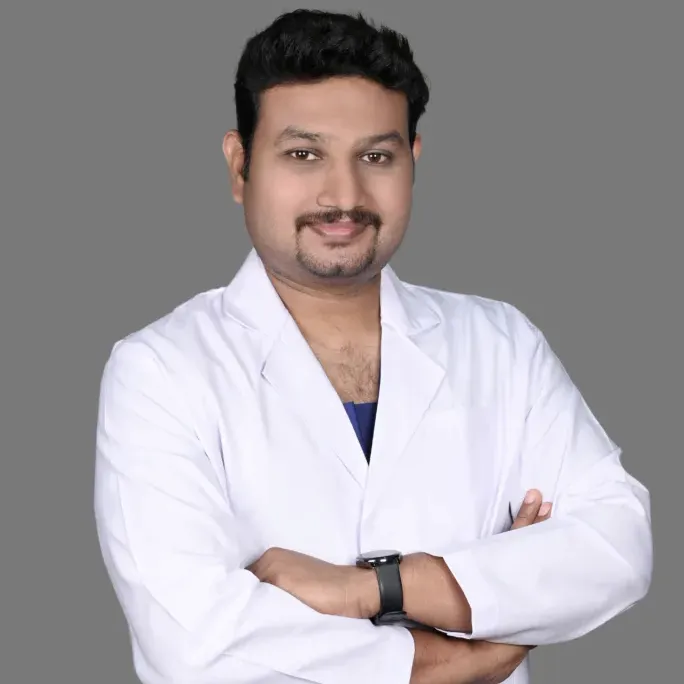
Dr. Pradeep S.
MDS (OMFS) · FHNS · FIBCSOMS

Dr. Kalpa Pandya
MDS (OMFS) · FHNS — Head & Neck Oncology
Authored by
Medically reviewed by