Maxillectomy Recovery: Obturator vs Flap, Speech & Eating
Being told you need part of your upper jaw removed raises two questions very quickly: will I be able to talk normally, and will I be able to eat? This guide explains maxillectomy recovery in plain terms: what the operation removes, how the gap in the palate is closed, and what speaking, eating and day-to-day care look like in the weeks and months afterwards.
It is written for patients and families who already know a maxillectomy is being considered. The operation itself is described on our maxillectomy procedure page, and the cancers that most often lead to it on our palate cancer page.
What a Maxillectomy Removes
The maxilla is the upper jawbone. It holds the upper teeth, forms the roof of the mouth (the hard palate) and the floor of the nose, and surrounds the maxillary sinus. Removing part of it is usually done for cancers of the palate, upper gum or sinus, and sometimes for benign tumours.
How much bone is removed depends on where the disease is and how far it has spread. In simple terms:
- Partial (limited) maxillectomy: a small part of the palate or upper gum and the teeth in that area.
- Infrastructure maxillectomy: the lower part of the maxilla, including the palate and upper tooth-bearing bone, with the floor of the eye socket left in place.
- Subtotal maxillectomy: most of one side of the maxilla, with some walls preserved.
- Total maxillectomy: the whole of one side of the upper jaw, including the palate and sinus. Occasionally the floor of the eye socket or cheek tissues are also involved.
Whenever the palate is removed, an opening is left between the mouth and the nose and sinus. That opening is what affects speech and eating, and closing it is the central part of recovery.
Two Ways to Close the Gap: Obturator or Flap
There are two broad approaches, and sometimes a combination of the two.
The obturator
An obturator is a removable plate, a little like a denture, with a raised part that fits into the surgical cavity and seals it. It is designed and made with a prosthodontist (a dental specialist in prostheses), ideally planned before surgery so the first one is ready on the operating day.
It is usually made in three stages:
- Surgical obturator: placed at the end of the operation. It holds the packing in the cavity and gives an early seal, so swallowing and speech start more easily. It typically stays for about a week to ten days.
- Interim obturator: fitted once the packing is removed. The cavity changes shape as it heals and the plate is adjusted and relined with soft material along the way.
- Definitive obturator: made once the tissues are stable, usually a few months after surgery and after any radiotherapy has settled. It often carries replacement teeth and may have a metal framework that clips to your remaining teeth.
The flap
A flap uses your own tissue to close the gap permanently, so there is no removable plate for the palate.
- Local and regional flaps move nearby tissue into the defect. Small defects can sometimes be closed with the buccal fat pad, a palatal flap or the temporalis muscle from the side of the head. These keep the operation shorter.
- Free flaps bring tissue from elsewhere in the body, such as the forearm, thigh or calf bone (fibula), and reconnect its blood vessels in the neck under a microscope. For larger defects, especially total maxillectomy, a bone-containing free flap can rebuild the shape of the cheek and give bone for implants later. Free flap reconstruction is planned and performed with a reconstructive colleague as part of the surgical team. Our comparison of free flap and PMMC reconstruction explains these options in more detail. Where little upper jaw bone remains for teeth, zygomatic implants are one option for fixed teeth later.
Weighing Up the Options Honestly
Neither approach is better for everyone. These are the trade-offs we discuss with patients.
| Obturator | Flap | |
|---|---|---|
| Extra surgery | None beyond the maxillectomy | Longer operation; free flaps add a donor site (arm, thigh or leg) |
| Seal | Good when well fitted, can loosen if few teeth remain | Permanent, no plate needed for the palate |
| Daily care | Removed and cleaned after meals, cavity rinsed | Ordinary mouth care |
| Follow-up checks | Surgeon can look directly into the cavity | Area is covered, so scans play a bigger role |
| Teeth | Teeth carried on the plate | Bone flaps can take implants for fixed teeth |
| Changes over time | Needs relining or remaking as tissues change | Some shrinkage possible, especially after radiotherapy |
In general, smaller defects with several healthy teeth left to anchor a plate do well with an obturator. Large defects, particularly where the whole side of the palate or the support under the eye is lost, are harder to seal with a plate, and a flap is often favoured if the person is fit for a longer operation. Medical fitness, radiotherapy plans and the patient's own priorities all count. Some people strongly prefer not to handle a removable plate. Others prefer to avoid a second surgical site.
Speaking After Maxillectomy
When the palate has an opening, air escapes into the nose as you speak. Speech sounds nasal, and sounds that need pressure in the mouth, such as "p", "b", "t", "k" and "s", become weak. Without a seal, many people are hard to understand, especially on the phone.
With an obturator, speech often improves noticeably as soon as the plate is in. The seal is what matters: if the plate loosens, or the cavity has changed shape since it was last adjusted, the nasal tone comes back. Speech is usually worse when the plate is out, for example at night, and that is expected.
With a flap, swelling in the first weeks can make speech thick or slurred. It usually clears gradually as the swelling settles. Occasionally a bulky flap is thinned at a later, smaller operation.
A speech therapist helps with exercises and strategies in either case. Our guide to speech and swallowing therapy after oral surgery covers what those sessions involve.
Facing a maxillectomy and unsure about obturator versus flap? Dr. Pradeep S. and Dr. Kalpa Pandya see patients at Apollo Main Hospital, Greams Road, Chennai. Book a consultation or call +91 96633 03747 to talk through the plan, including how the palate will be closed and what recovery will look like for you. Travelling from West Bengal or Bangladesh? See planning treatment in Chennai from Kolkata or Dhaka.
Eating and Drinking
Without a seal, fluids and food can escape into the nose. A good seal prevents most of this, so eating improves a great deal once the obturator fits well or the flap has healed.
First days. Some patients have a feeding tube through the nose for a few days, particularly after a free flap. Others start sips and liquids early with the surgical obturator in place. Your team will decide which applies to you.
First weeks. Soft, moist foods are easiest: kanji, rasam, blended dal, curd rice, khichdi, mashed potato, soaked idli and smoothies. Most people chew on the side away from the surgery. Small mouthfuls and sitting upright help.
Later. As healing progresses, diet widens. With a definitive obturator carrying teeth, many people manage a fairly normal diet, though very hard, sticky or chewy foods can dislodge the plate or be tiring to chew. With a flap, chewing depends on how many teeth remain and whether implants are placed later.
Small amounts of fluid leaking into the nose, especially when drinking quickly, are common at first. Persistent leakage usually means the plate needs adjustment and is worth reporting.
Looking After the Cavity
If you have an obturator, the cavity behind it needs regular cleaning. Mucus and crusts collect there, and if they build up they cause odour, discomfort and infection.
- Remove the obturator after meals and clean it with a soft brush and water or mild soap. Avoid toothpaste with abrasives, which scratches the acrylic.
- Rinse or gently irrigate the cavity as you are shown, usually with saline or a prescribed mouthwash, using a syringe or bottle.
- Most people are advised to take the plate out at night and keep it in clean water or a soaking solution, though in the early weeks your team may ask you to wear it continuously so the cavity does not narrow.
- Keep remaining teeth clean, because they are now holding the plate.
- Report sore spots, bleeding, new swelling or a plate that suddenly fits differently.
Flap patients care for the mouth in the usual way, with a soft brush and rinses, and follow the donor-site advice given at discharge. Fibula donor sites, for example, need walking and ankle exercises for a few weeks.
A Rough Timeline
Every recovery is different, but this is a typical outline.
- Hospital stay: several days to about a week; longer after a free flap.
- About 1 to 2 weeks: packing and surgical obturator removed; interim obturator fitted. Soft diet.
- First 1 to 3 months: wound settles, interim plate adjusted several times; speech and eating steadily improve. Radiotherapy, if needed, usually starts within about six weeks of surgery.
- About 3 to 6 months or later: definitive obturator made once tissues and any radiotherapy effects have settled.
- Longer term: regular cancer follow-up; obturators are checked and relined periodically.
How Radiotherapy Affects Fit and Comfort
Many patients need radiotherapy after maxillectomy, planned with the hospital's radiation oncologists. It affects recovery in a few predictable ways:
- Sore lining (mucositis) during and shortly after treatment can make wearing the plate uncomfortable. The plate may be eased or relined with soft material.
- Dry mouth reduces the natural suction that helps hold the plate.
- Reduced mouth opening (trismus) can make inserting and removing a large plate difficult. Jaw-stretching exercises from the start help.
- Tissue changes over months mean the cavity shape may alter, so a plate often needs relining or remaking after radiotherapy.
Flaps generally tolerate radiotherapy, though some shrinkage and stiffness can occur. Our guide to radiation side effects in mouth cancer covers the wider effects.
Teeth and Implants Later
Losing upper teeth along with the jaw is one of the hardest parts of recovery for many people. Options depend on how the gap was closed.
- With an obturator, replacement teeth are built into the definitive plate. In selected patients, implants placed in the remaining jaw or cheekbone (zygomatic implants) can help hold a large obturator more firmly.
- With a bone flap, implants can be placed into the new bone once it has healed, sometimes supporting fixed teeth.
Radiotherapy makes implant planning more careful because irradiated bone heals more slowly. Our article on dental implants after oral cancer explains timing and safety, and our oral reconstruction page covers rebuilding form and function more broadly.
When to Contact Your Team
Call your surgical team promptly if you notice:
- fever, increasing swelling, pus or a bad smell from the cavity that does not improve with cleaning;
- bleeding that does not settle with gentle pressure;
- a plate that suddenly no longer fits or causes new pain;
- a new lump, ulcer or thickened area in the mouth or neck during follow-up;
- for flap patients in the first days, any change in the flap's colour or warmth.
Related Reading
If you are still at the diagnosis stage, our guide to palate cancer symptoms and treatment is a useful starting point. Cancers that start on the upper gum can also lead to maxillectomy; see our guide to gum cancer symptoms, stages and treatment.
Planning Your Maxillectomy and Recovery
The way the palate will be closed should be decided before the operation, so that the obturator is ready or the flap is planned, and you know what to expect when you wake up.
Dr. Pradeep S. (MDS in Oral & Maxillofacial Surgery, FHNS fellowship in head & neck surgical oncology, FIBCSOMS; over 15 years in oral, head and neck cancer surgery) and Dr. Kalpa Pandya consult at Apollo Main Hospital, Greams Road, Chennai. Obturators are made with a prosthodontist, free flaps are planned with a reconstructive colleague, and radiation or chemotherapy, if needed, is planned with the hospital's oncologists. Book a consultation or call +91 96633 03747. Patients travelling from West Bengal or Bangladesh can send scans and biopsy reports for a second opinion first.
Next step
Concerned about a symptom you read here? Get a specialist opinion in Chennai.
Dr. Pradeep S. and Dr. Kalpa Pandya consult at Apollo Hospitals, Greams Road. Same-day responses on WhatsApp for most enquiries.
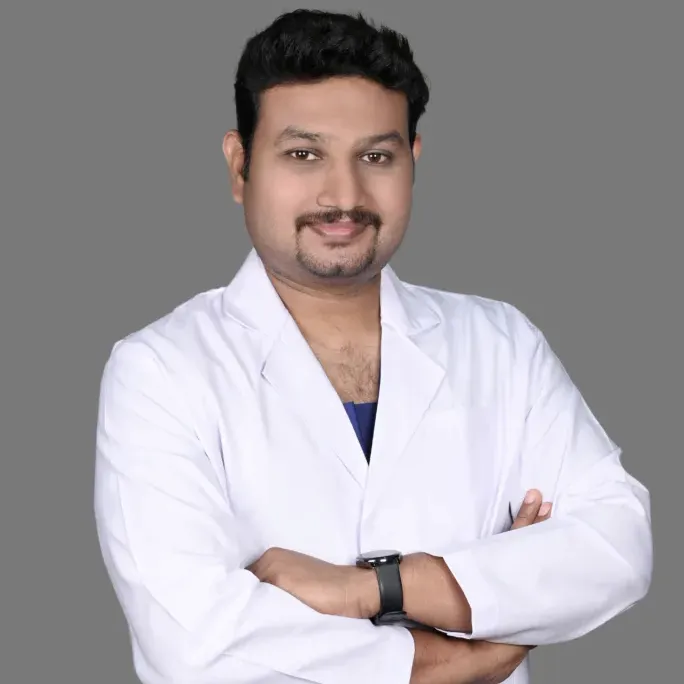
Dr. Pradeep S.
MDS (OMFS) · FHNS · FIBCSOMS
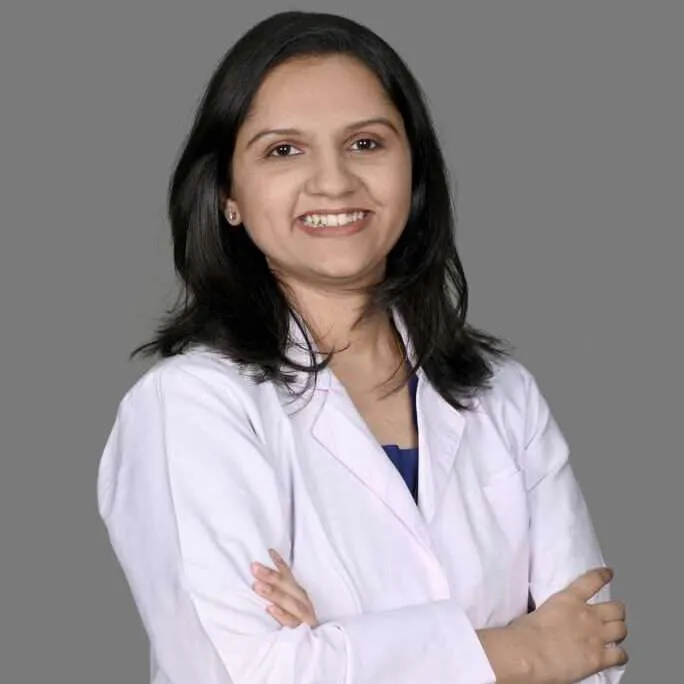
Dr. Kalpa Pandya
MDS (OMFS) · FHNS — Head & Neck Oncology
Authored by
Medically reviewed by