

Noticing white spots on the lips can be concerning and may leave you wondering whether they are harmless or a sign of an underlying health problem. In many cases, white spots or bumps on the lips are caused by minor conditions such as blocked oil glands or mild irritation. However, some cases may indicate infections, nutritional deficiencies, or more serious oral health conditions that require medical attention. Understanding the possible causes, symptoms, and treatment options can help you take better care of your oral health and know when to seek professional advice.
What are White Spots on Lips?
White spots on lips are small pale bumps, patches, or lesions that appear on the lips or surrounding skin. These spots may vary in size, texture, and appearance depending on the underlying cause. Some may look like tiny raised bumps, while others appear as flat white patches or painful sores. In certain cases, white spots may be accompanied by swelling, irritation, dryness, itching, or discomfort.
These spots can develop due to harmless skin conditions, infections, allergic reactions, or chronic irritation. While many white spots disappear naturally, persistent lesions should always be examined by a healthcare professional.
Common Causes of White Spots on Lips
Fordyce Spots
Main Cause of Fordyce Spots
Fordyce spots are one of the most common causes of white bumps on the lips. These tiny white or yellowish spots are enlarged sebaceous glands, also known as oil glands, that naturally occur on the lips and inside the mouth. They are harmless, non-contagious, and considered a normal skin variation.
Hormonal changes, genetics, and oily skin may make Fordyce spots more visible, especially during puberty or adulthood.
Medical Treatment
Fordyce spots usually do not require treatment because they are harmless. However, individuals concerned about their appearance may choose cosmetic procedures such as laser therapy, electrosurgery, or chemical treatments to reduce their visibility.
Milia
Main Cause of Milia
Milia are tiny white cysts that form when dead skin cells become trapped beneath the surface of the skin. These small bumps often appear around the lips, cheeks, and nose.
Factors such as sun damage, heavy skincare products, skin irritation, and clogged pores can contribute to the development of milia.
Medical Treatment
Milia often disappear naturally without treatment. If they persist, dermatologists may recommend professional extraction, cryotherapy, or laser therapy to remove the cysts safely.
Canker Sores (Aphthous Ulcers)
Main Cause of Canker Sores
Canker sores are small painful ulcers that develop inside the mouth or on the lips. Unlike cold sores, they are not contagious and are not caused by viral infections.
Common triggers include:
- Stress and emotional exhaustion
- Minor mouth injuries
- Acidic or spicy foods
- Vitamin deficiencies
- Hormonal changes
- Lack of sleep
Medical Treatment
Most canker sores heal naturally within one to two weeks. Doctors may recommend oral gels, pain relievers, antiseptic mouthwash, or corticosteroid medications for severe cases.
Oral Thrush (Candidiasis)
Main Cause of Oral Thrush
Oral thrush is a fungal infection caused by excessive growth of Candida yeast in the mouth. It commonly affects infants, older adults, and individuals with weakened immune systems.
Risk factors include:
- Diabetes
- Antibiotic use
- Poor oral hygiene
- Smoking
- Denture use
- Weak immunity
Medical Treatment
Doctors usually prescribe antifungal medications such as nystatin or fluconazole to treat oral thrush. Prompt treatment helps prevent the infection from spreading.
Oral Cancer
Main Cause of Oral Cancer
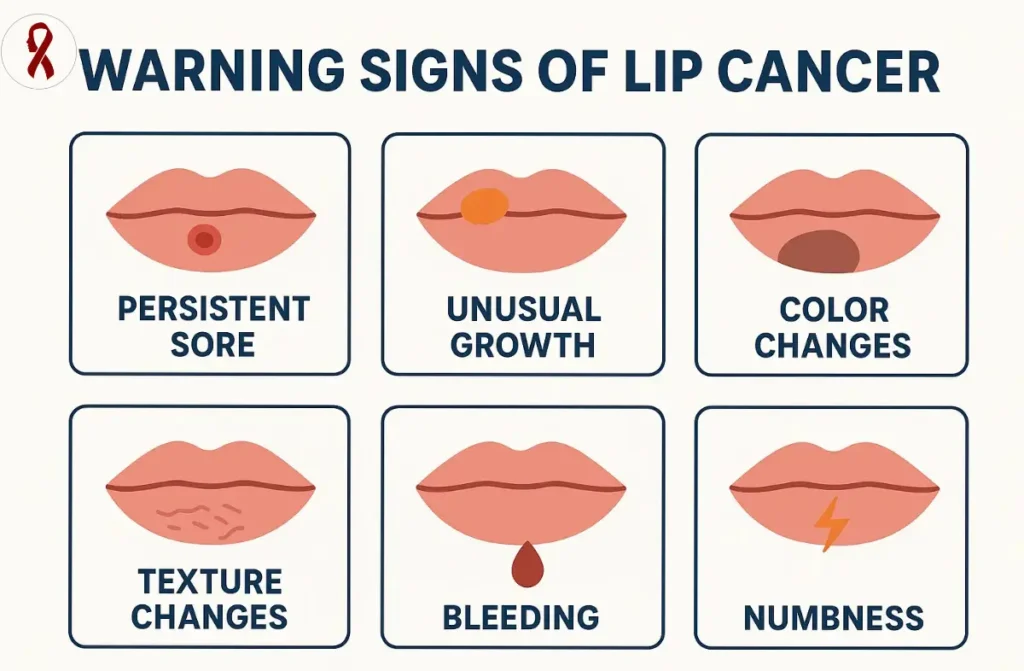
Persistent white spots or patches on the lips may sometimes indicate oral cancer. Although less common, oral cancer can become life-threatening if not treated early.
Major risk factors include:
- Tobacco use
- Heavy alcohol consumption
- HPV infection
- Excessive sun exposure
- Weak immune system
Medical Treatments
If oral cancer is suspected, doctors usually perform a biopsy to confirm the diagnosis. Treatment may include surgery, radiation therapy, chemotherapy, targeted therapy, or immunotherapy depending on the stage of cancer.
Vitamin Deficiency
Main Cause of Vitamin Deficiency
Deficiencies in vitamins such as Vitamin B12, folate, iron, and zinc can affect oral tissues and contribute to white spots, mouth ulcers, or cracked lips.
Medical Treatment
Treatment usually includes vitamin supplements, dietary improvements, and addressing any underlying health conditions affecting nutrient absorption.
Allergic Reactions
Main Cause of Allergic Reactions
Allergic reactions can cause irritation, swelling, and white spots on the lips. Common triggers include:
- Lipsticks and lip balms
- Toothpaste ingredients
- Food additives
- Dental materials
- Fragrances and preservatives
Medical Treatment
Doctors may recommend antihistamines, topical corticosteroids, or allergy testing to identify and manage the trigger.
Leukoplakia
Main Cause of Leukoplakia
Leukoplakia causes thick white patches on the lips or inside the mouth that cannot usually be wiped away. Chronic irritation and tobacco use are major contributing factors.
Risk factors include:
- Smoking or chewing tobacco
- Alcohol consumption
- Ill-fitting dentures
- Chronic mouth irritation
Medical Treatment
Doctors may recommend a biopsy to check for precancerous changes. Treatment may involve removing the patch and addressing underlying causes.
When to See a Doctor
Although many white spots on lips are harmless, medical attention is important if you experience:
- White spots lasting longer than two weeks
- Pain or bleeding
- Difficulty eating or swallowing
- Swelling or thickening of lip tissue
- Persistent mouth sores
- Unexplained weight loss
Early diagnosis can help prevent complications and improve treatment outcomes.
Conclusion
White spots on lips can develop due to several causes, ranging from harmless conditions like Fordyce spots and milia to infections, nutritional deficiencies, allergic reactions, and oral cancer. Understanding the symptoms and underlying causes can help individuals seek appropriate treatment and maintain better oral health.
Good oral hygiene, healthy lifestyle habits, balanced nutrition, and regular dental checkups play an important role in preventing many lip and mouth conditions. While some white spots resolve naturally, persistent or painful lesions should always be evaluated by a healthcare professional to ensure timely diagnosis and treatment.