
Mouth Cancer Surgeons
Oral Cancer & Maxillofacial Surgery
Oral Cancer & Maxillofacial Surgery
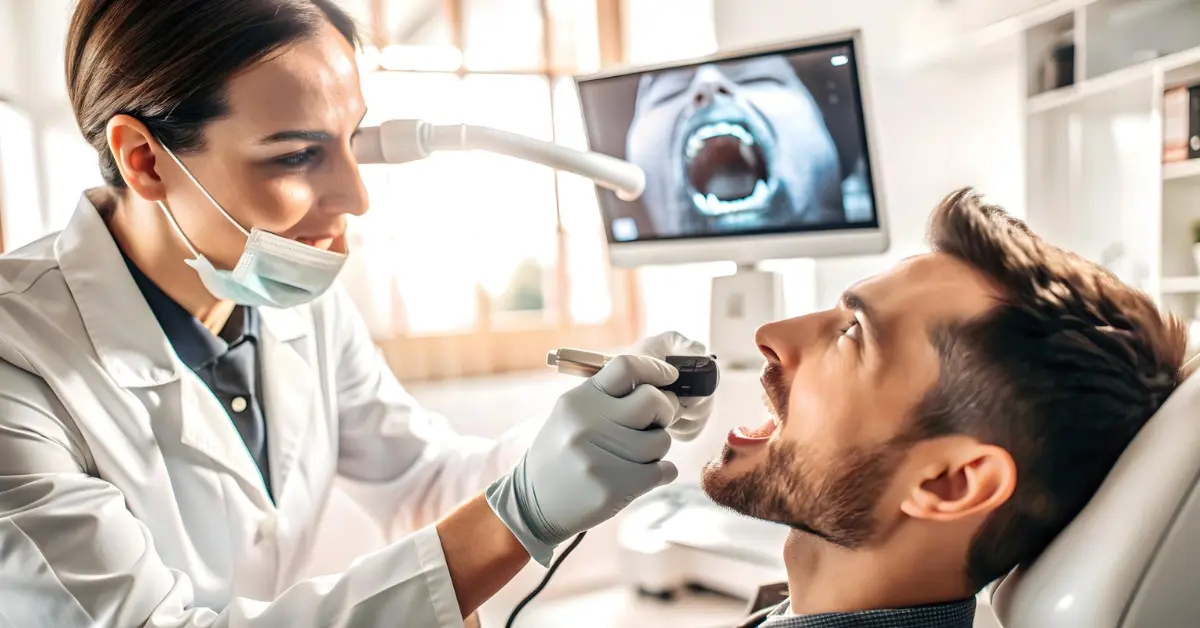
Maxillofacial Tumors & Jaw Pathology refers to a group of complex conditions affecting the jaw bones, facial skeleton, and surrounding oral tissues. These conditions may develop silently, often presenting as painless swellings, facial asymmetry, loose teeth, or changes seen only on imaging. Early diagnosis is critical, as some lesions behave aggressively and can compromise speech, chewing, aesthetics, and airway function.
A structured diagnostic approach combined with evidence-based surgical care ensures precise treatment while preserving facial harmony and function. Advanced imaging, histopathological analysis, and personalized surgical planning play a key role in achieving predictable, long-term outcomes for patients dealing with jaw-related tumors and pathological lesions.
Jaw lesions range from slow-growing benign cysts to locally aggressive tumors capable of extensive bone destruction. While many benign lesions remain asymptomatic for years, aggressive variants can infiltrate surrounding structures and recur if not managed properly.
Key characteristics include:
Early identification allows conservative treatment where possible and prevents complex reconstructions later.
Maxillofacial Tumors & Jaw Pathology in Chennai is increasingly diagnosed due to better imaging access and awareness. Early referral ensures conservative management, reduced morbidity, and improved outcomes. Delayed care often results in extensive surgeries and longer recovery timelines.
Patients seeking Maxillofacial Tumors & Jaw Pathology in Greams Roads benefit from access to advanced diagnostic facilities and multidisciplinary collaboration, ensuring precise treatment planning and safe surgical execution.
Similarly, Maxillofacial Tumors & Jaw Pathology in Teynampet is managed with a strong emphasis on early diagnosis, minimally invasive techniques, and structured rehabilitation to preserve facial aesthetics and function.
Maxillofacial Tumors & Jaw Pathology demands a balance between oncologic safety and functional preservation. With structured diagnosis, precise surgical intervention, and comprehensive rehabilitation, patients can achieve excellent long-term outcomes. Early detection remains the strongest predictor of successful treatment, minimizing surgical morbidity and improving recovery. A patient-centric approach that integrates advanced imaging, pathology, and reconstructive planning ensures both disease control and quality of life. Proactive care and timely intervention are essential in managing jaw tumors effectively and confidently.
No. Many jaw tumors are benign but can still behave aggressively. Proper diagnosis is essential to determine the nature of the lesion and plan appropriate treatment to prevent recurrence or functional damage.
Diagnosis involves clinical evaluation, radiographic imaging such as CBCT, and histopathological biopsy. This combination ensures precise identification and guides the most effective treatment approach.
Modern surgical techniques prioritize facial symmetry and function. When reconstruction and rehabilitation are planned properly, most patients regain normal appearance and jaw function over time.
Schedule a consultation with our oral cancer surgery specialists. Our team is ready to provide personalized care and answer all your questions.