
Mouth Cancer Surgeons
Oral Cancer & Maxillofacial Surgery
Oral Cancer & Maxillofacial Surgery
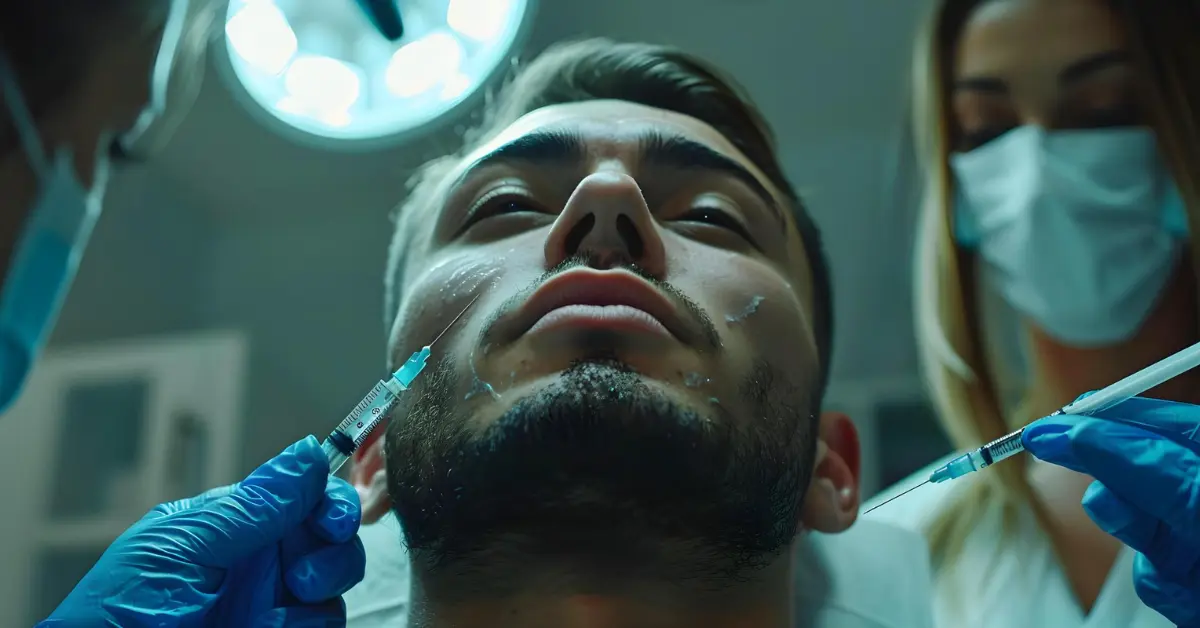
Facial Trauma & Emergency Maxillofacial Surgery deals with time-critical injuries affecting the face, jaws, and surrounding structures that demand immediate expert care. These injuries often result from road traffic accidents, falls, assaults, or sports trauma and can impact breathing, vision, speech, and facial symmetry.
Early intervention is not optional—it’s essential. Prompt diagnosis, accurate fracture management, and precise surgical repair help prevent long-term deformities, functional impairment, and chronic pain. Modern maxillofacial emergency care combines advanced imaging, minimally invasive techniques, and rigid fixation systems to restore both form and function efficiently. When minutes matter, expertise makes the difference.
Facial trauma isn’t just about broken bones—it’s about protecting vital functions while restoring aesthetics.
Acute phase priorities include:
Post-traumatic care focuses on:
A structured approach ensures patients don’t just survive trauma—but recover properly.
High-velocity accidents often cause complex facial trauma involving multiple bones and soft tissues.
Early surgical intervention reduces complications and long-term facial imbalance.
Jaw fractures affect speech, chewing, and facial alignment.
Treatment restores bite accuracy and jaw stability using precise fixation methods.
Cheekbone fractures impact facial width, eye position, and aesthetics.
Accurate repositioning is crucial for both appearance and function.
Orbital injuries threaten vision and eye movement.
Timely orbital reconstruction prevents permanent visual complications.
Cuts, lacerations, and avulsion injuries require meticulous repair.
Layered closure techniques ensure optimal healing with minimal scarring.
Treatment depends on fracture type and displacement.
The goal is anatomical precision—not guesswork.
Modern facial trauma care relies on stable fixation.
This approach improves outcomes and patient comfort.
Orbital defects are reconstructed using advanced materials.
Precision here protects vision and facial symmetry.
Some injuries need staged correction after healing.
Secondary procedures fine-tune both function and aesthetics.
Early assessment prevents complications that worsen over time.
Recovery isn’t passive—discipline speeds healing and improves results.
Delayed treatment can lead to:
Early expert care isn’t cosmetic—it’s functional, medical, and life-quality focused.
Facial Trauma & Emergency Maxillofacial Surgery plays a critical role in restoring safety, function, and facial balance after traumatic injuries. Immediate, structured intervention helps protect vital structures like the airway, eyes, and jaw while ensuring accurate bone healing and minimal long-term complications. With modern imaging, titanium fixation systems, and advanced reconstructive techniques, patients can achieve reliable recovery even after severe trauma. The key is timing—early expert care directly translates to better outcomes, faster healing, and long-term facial stability.
Facial fractures should ideally be evaluated immediately and treated within the first few days. Early intervention reduces swelling-related complications, prevents improper bone healing, and minimizes long-term deformities. Delayed treatment often leads to functional issues like bite problems, facial asymmetry, and chronic pain.
Modern maxillofacial surgery prioritizes minimal scarring. Incisions are often placed inside the mouth or along natural skin creases. When external cuts are required, meticulous closure and scar management techniques significantly reduce visibility over time, ensuring better cosmetic outcomes.
Initial healing typically takes 4–6 weeks, depending on injury severity. Most patients resume normal activities gradually, while complete bone remodeling continues for several months. Adhering to aftercare instructions, diet guidelines, and follow-up visits ensures a smoother and faster recovery.
Schedule a consultation with our oral cancer surgery specialists. Our team is ready to provide personalized care and answer all your questions.