Many people feel nervous when they hear the words oral cancer screening, but understanding the process can greatly reduce fear and encourage confident health decisions. Oral cancer refers to abnormal cell growth that develops in the mouth, lips, tongue, gums, or throat. When detected early, it is highly treatable. This is why an oral cancer screening plays such an important role in preventive care.
The good news is that an oral cancer screening is usually quick, simple, and painless. It is designed to identify early warning signs before symptoms become serious. Regular checkups and early detection can make a life-saving difference.
What is Oral Cancer Screening?
An oral cancer screening is a preventive examination performed by a dentist or healthcare professional to check for early signs of cancer or precancerous changes in the mouth. The goal of a screening test for oral cancer is to detect abnormalities at an early stage, when treatment is more effective and less complicated.
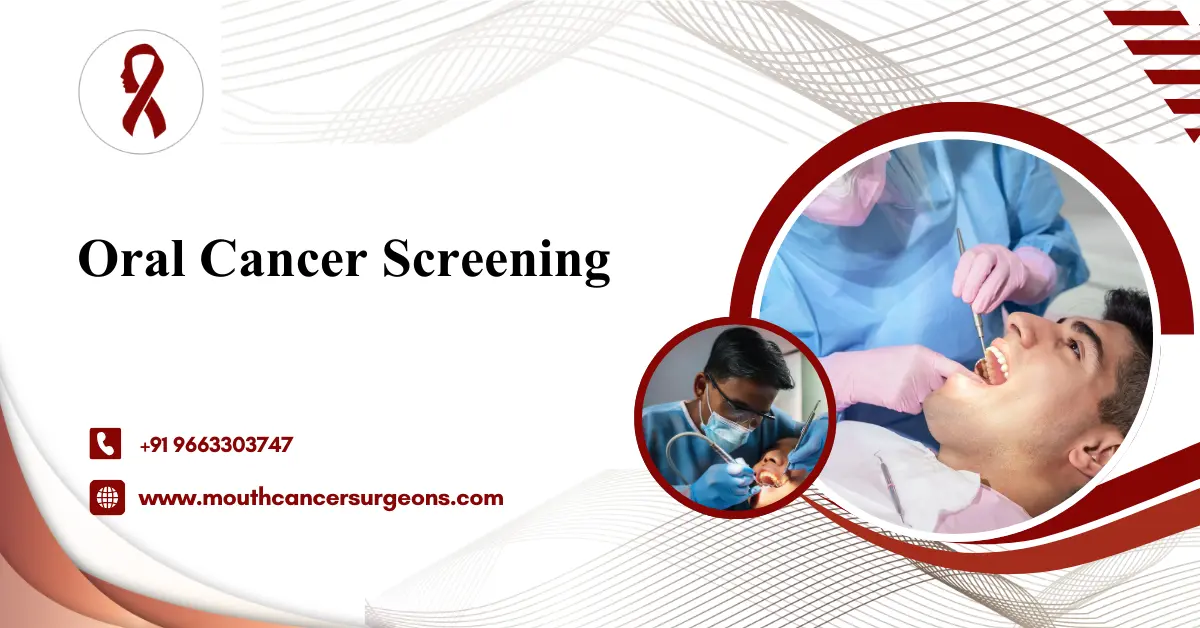
During an oral screening for mouth cancer, the healthcare provider carefully examines the lips, tongue, inner cheeks, gums, roof and floor of the mouth, and throat. They look for unusual sores, red or white patches, swelling, or lumps.
While routine dental visits may include a brief check of oral tissues, a dedicated oral cancer screening procedure focuses specifically on identifying suspicious changes linked to cancer risk. It is more detailed and intentionally preventive.
Why are Oral Cancer Screenings So Important?
Early detection significantly improves treatment success rates. When oral cancer is found at an early stage, it is much easier to treat and often requires less aggressive therapy. An oral cancer screening helps identify problems before they cause serious symptoms.
Certain risk factors increase the importance of regular screening:
- Tobacco use (smoking or chewing)
- Heavy alcohol consumption
- Human papillomavirus (HPV) infection
- Prolonged sun exposure affecting the lips
- Family history of cancer
- Age over 40
If you fall into any of these categories, a routine screening test for oral cancer is especially important.
An oral screening for mouth cancer can detect silent abnormalities. In many cases, early oral cancer does not cause pain. Waiting for symptoms may delay diagnosis. Regular oral cancer screening appointments offer reassurance and protection by catching changes early.
How Do I Prepare for the Screening?
Preparing for an oral cancer screening is simple and stress-free. There is usually no special preparation required. However, it is helpful to avoid tobacco or alcohol use before your appointment, as these can temporarily irritate oral tissues.
Inform your healthcare provider about any symptoms such as persistent sores, difficulty swallowing, hoarseness, or unexplained lumps. Sharing your medical history ensures the oral cancer screening procedure is thorough and personalized. You may also prepare questions in advance. Understanding the purpose of a screening test for oral cancer can help you feel more confident and at ease during your visit.
What Should I Expect During My Oral Cancer Screening?
Understanding the steps of the oral cancer screening procedure can help you feel more relaxed. The process usually takes only a few minutes.
1. Visual Examination
Your provider will use a bright light to carefully examine your mouth. They will look at all surfaces, including areas that are harder to see, such as under the tongue and the back of the throat.
2. Physical Examination
The provider may gently feel your neck, jawline, and under your chin to check for enlarged lymph nodes or lumps. This is a routine part of an oral screening for mouth cancer and should not cause pain.
3. Additional Screening (If Needed)
If an unusual area is found, the provider may recommend:
- A special light to highlight abnormal tissues
- A dye that temporarily stains suspicious cells
- Further imaging tests
- A biopsy (removal of a small tissue sample for testing)
These steps are part of a more detailed screening test for oral cancer and are only recommended when necessary.
Most patients are surprised at how quick and painless the oral cancer screening truly is.
What Happens After Oral Cancer Screening?
After your oral cancer screening, your healthcare provider will discuss the findings with you.
If everything appears normal, you will simply be advised to continue routine checkups and maintain good oral hygiene. Regular oral cancer screening appointments help ensure ongoing protection.
If an abnormal area is detected, do not panic. Many changes are non-cancerous and may result from irritation or infection. Your provider may suggest monitoring the area or performing a biopsy for further evaluation. This step is precautionary and helps confirm an accurate diagnosis.
Following recommendations and attending follow-up appointments ensures that any issue identified during an oral cancer screening procedure is managed promptly and effectively.
Conclusion
An oral cancer screening is a simple yet powerful step toward protecting your health. It is quick, non-invasive, and designed to detect concerns before they become serious. A regular screening test for oral cancer offers peace of mind and improves the chances of successful treatment if needed.
By choosing routine oral screening for mouth cancer, you are taking control of your well-being. Prioritizing your oral health today can truly make a life-changing difference tomorrow. If you have concerns or notice unusual symptoms, scheduling an oral cancer screening is a proactive and reassuring decision.