
Comprehensive Healthcare System

End-to-End Care Model

An End-to-End Care Model is not just a treatment pathway—it’s a mindset. From the first screening to long-term follow-up, this approach ensures patients don’t get lost between departments, reports, or referrals. Everything is connected, coordinated, and patient-first.

0 K+
Patients Served
0 %

Success Rate

0

Specialists

0

Clinic Locations

Stage 1

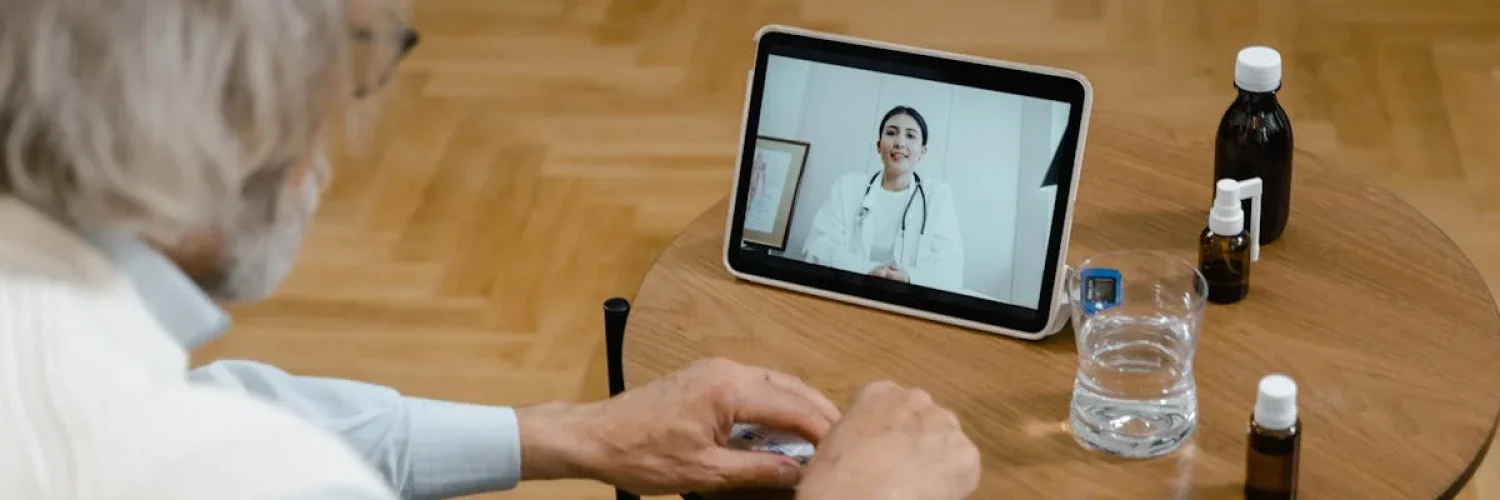
Screening & Diagnosis

Early detection sets the tone for everything that follows. Screening and diagnosis are not rushed steps—they are the foundation of accurate, effective care.

Screening & Diagnosis (1)

Key Components:

  • Comprehensive clinical evaluation to identify symptoms, risk factors, and red flags
  • Evidence-based screening protocols tailored to patient age, history, and condition
  • Advanced imaging and diagnostic tools for precise detection
  • Laboratory investigations and pathology correlation for confirmation
  • Multidisciplinary review to avoid misdiagnosis or delayed diagnosis

Why This Matters:

  • Detects disease early, when treatment success rates are higher
  • Prevents unnecessary procedures caused by incomplete evaluation
  • Builds a clear baseline for monitoring progress over time
  • Reduces patient anxiety through clarity and transparency
  • Ensures treatment decisions are backed by data, not assumptions

A strong diagnostic process eliminates guesswork. Patients know what’s happening, why it’s happening, and what comes next—no surprises.
Stage 2

Treatment Planning

Once a diagnosis is confirmed, treatment planning transforms data into direction. This is where personalization replaces generic care.
Treatment Planning

Effective Planning Involves:

  • Individualized care plans based on diagnosis, stage, and patient goals
  • Multidisciplinary input from relevant specialties
  • Risk–benefit analysis of all available treatment options
  • Patient education and shared decision-making
  • Clear timelines and outcome expectations

Why This Matters:

  • Aligns medical expertise with patient priorities
  • Avoids over-treatment or under-treatment
  • Improves compliance by involving patients in decisions
  • Optimizes resource use and treatment sequencing
  • Creates measurable milestones for progress tracking

This phase ensures the patient is not just treated—but treated right. Strategy before action saves time, cost, and emotional burnout.

Stage 3

Surgical Intervention

When surgery is required, it must be precise, timely, and integrated into the broader care plan—not treated as a standalone event.
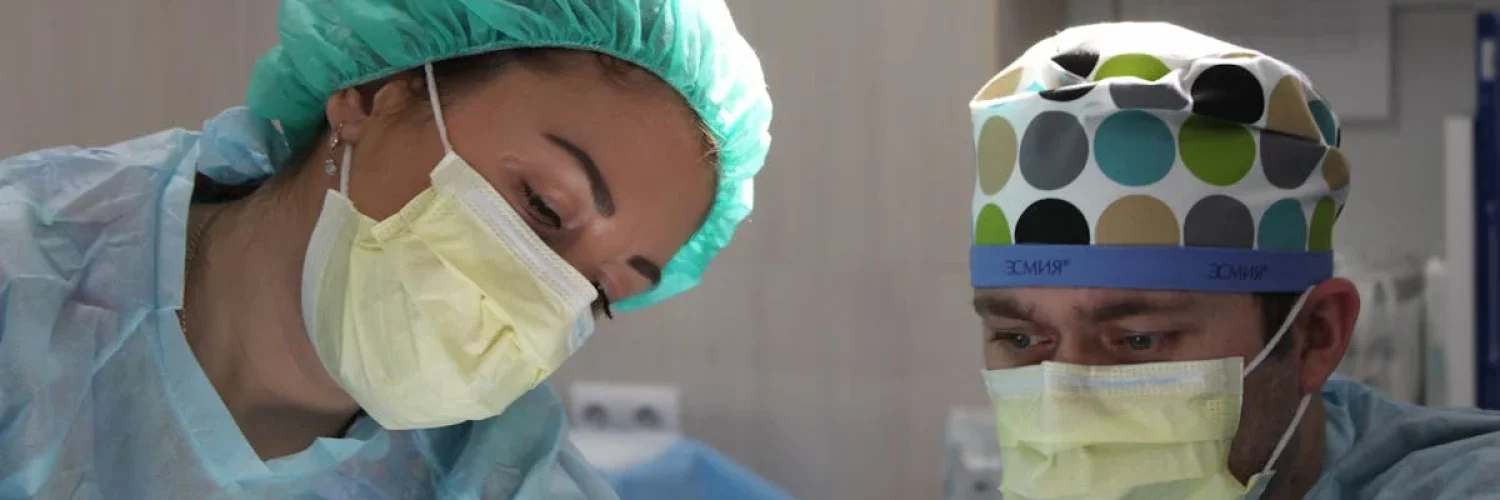
Surgical Intervention

Core Principles:

  • Clear surgical indications based on diagnosis and planning
  • Pre-operative optimization to reduce complications
  • Use of advanced surgical techniques for accuracy and safety
  • Intraoperative coordination with anesthetic and support teams
  • Post-operative protocols aligned with recovery and rehabilitation

Why Integrated Care Works:

  • Reduces surgical risks through preparation and planning
  • Minimizes hospital stay and speeds up recovery
  • Prevents gaps between surgery and follow-up care
  • Enhances functional and clinical outcomes
  • Improves patient confidence and satisfaction

Surgery isn’t just about fixing a problem—it’s about setting the stage for recovery, function, and long-term health.

Stage 4

Reconstruction & Rehabilitation

Healing doesn’t stop after surgery. Reconstruction and rehabilitation restore function, appearance, and quality of life.

Reconstruction & Rehabilitation

Key Elements:

  • Functional reconstruction tailored to patient needs
  • Physical therapy and mobility restoration
  • Speech, swallowing, or occupational therapy when required
  • Nutritional support to promote healing
  • Psychological support for emotional recovery

Why Rehabilitation Matters:

  • Helps patients return to daily life faster
  • Reduces long-term disability and complications
  • Improves physical strength and confidence
  • Supports mental health and emotional well-being
  • Maximizes the success of surgical and medical treatments

This stage turns clinical success into real-world recovery. The goal isn’t survival—it’s living well.

Stage 5

Long-Term Follow-Up & Surveillance

Healthcare doesn’t end at discharge. Long-term follow-up ensures that progress is protected and risks are managed early.

Long-Term Follow-Up & Surveillance

What Surveillance Includes:

  • Scheduled follow-up visits and evaluations
  • Monitoring for recurrence, complications, or progression
  • Lifestyle and preventive care guidance
  • Adjustment of treatment or rehabilitation plans as needed
  • Continuous patient education and support

Why Follow-Up Matters:

  • Detects problems before they become serious
  • Maintains treatment outcomes over time
  • Builds long-term patient–provider relationships
  • Encourages preventive and proactive health behaviour
  • Reduces emergency visits and hospital readmissions

Consistency here is power. Long-term care keeps patients ahead of problems instead of reacting to them.

Stage 5

Care Guidelines

Essential steps to prepare for treatment and ensure successful recovery
Care Guidelines

Before Care Guidelines

Preparing properly improves outcomes and reduces stress.

Before care, patients should:
  • Share complete medical history and current medications
  • Follow recommended screening and diagnostic schedules
  • Ask questions and understand treatment options
  • Maintain proper nutrition and hydration
  • Follow pre-procedure instructions carefully

Preparation isn’t optional—it’s part of the treatment.

After Care Guidelines

Recovery depends on what happens after treatment as much as during it.

After care essentials include:
  • Adhering to medications and rehabilitation plans
  • Attending all follow-up appointments
  • Reporting symptoms or concerns early
  • Maintaining lifestyle changes advised by the care team
  • Staying engaged and informed throughout recovery

Smart aftercare equals long-term success.

Conclusion

The End-to-End Care Model delivers what modern healthcare demands—clarity, continuity, and confidence. By integrating screening, diagnosis, planning, treatment, recovery, and follow-up into one seamless system, patients experience fewer delays, better outcomes, and stronger trust in their care journey. This model replaces fragmented treatment with structured precision and human-centered care.

Frequently Asked Questions

What makes an end-to-end care model better than traditional care?
An end-to-end care model connects every stage of treatment into one coordinated system. Instead of fragmented visits and delayed decisions, patients receive continuous, streamlined care. This reduces errors, improves communication between specialists, shortens recovery time, and ensures long-term monitoring—leading to better outcomes and higher patient satisfaction.
Yes. Complex conditions benefit the most from this model because it integrates multiple specialties, diagnostics, and therapies under one plan. Coordinated decision-making prevents overlap, delays, and miscommunication. Patients receive structured care that adapts over time, improving safety, efficiency, and long-term results.
Long-term follow-up allows early detection of complications or recurrence, ensures treatment success is maintained, and supports preventive care. Regular monitoring helps adjust treatment plans when needed, reduces emergency visits, and empowers patients to manage their health proactively for sustained well-being.