

Floor of mouth cancer is a type of oral cancer that develops in the area underneath the tongue, known as the floor of the mouth. This soft tissue region plays an important role in speaking, swallowing, chewing, and saliva production. Cancer in this area usually begins in the thin squamous cells lining the mouth and may spread to nearby tissues if not detected early.
Although floor of mouth cancer is less commonly discussed than other cancers, it is considered a serious medical condition because of its ability to grow quickly and affect vital oral functions. Early diagnosis and treatment greatly improve the chances of successful recovery.
Many individuals ignore early symptoms such as mouth sores, pain, or lumps because they appear minor in the beginning. Understanding the warning signs, causes, risk factors, and available treatments can help people seek timely medical care and reduce complications.
This article provides a complete overview of floor of mouth cancer, including its symptoms, causes, stages, diagnosis, treatment options, prevention methods, and recovery support.
What is Floor of Mouth Cancer?
Floor of mouth cancer is a form of oral cavity cancer that develops in the tissue beneath the tongue. Most cases are classified as squamous cell carcinoma because they originate from squamous cells lining the inside of the mouth.
The floor of the mouth contains:
- Salivary glands
- Blood vessels
- Nerves
- Connective tissues
Cancer in this area can spread to nearby structures including the tongue, jawbone, lymph nodes, and throat if left untreated. Because the floor of the mouth contains a rich network of lymphatic drainage and blood vessels, cancer cells can spread relatively quickly if not diagnosed early.
Medical professionals often classify this cancer using ICD-10 codes:
- C04.0 – Anterior floor of the mouth
- C04.1 – Lateral floor of the mouth
These classifications help guide diagnosis and treatment planning.
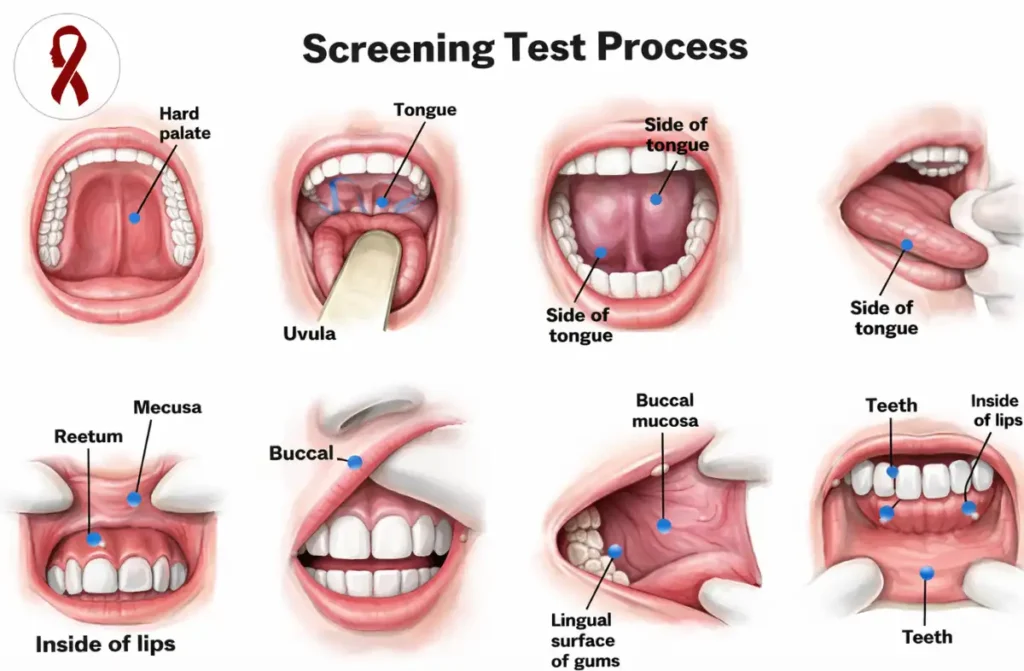
Common symptoms of Floor of Mouth Cancer
Symptoms of floor of mouth cancer can vary depending on the stage and size of the tumor.
In early stages, symptoms may appear mild and painless, which often delays diagnosis.
Common Warning Signs
- Persistent sore or ulcer under the tongue
- Lump or thickened tissue in the mouth
- Red or white patches
- Pain while speaking or swallowing
- Difficulty moving the tongue
- Numbness in the mouth
- Swelling beneath the tongue
- Loose teeth without dental cause
- Jaw pain or stiffness
- Bleeding inside the mouth
- Chronic bad breath
- Ear pain
- Unexplained weight loss
Any mouth sore or abnormality lasting longer than two weeks should be examined by a healthcare professional.
Causes of Floor of Mouth Cancer
- Floor of mouth cancer develops when healthy oral cells undergo abnormal genetic changes that cause uncontrolled growth.
- Although the exact cause is not always clear, several factors significantly increase the risk.
Tobacco Use
- Smoking cigarettes, cigars, and pipes or chewing tobacco is one of the leading causes of oral cancers.
- Tobacco chemicals damage oral tissues and increase abnormal cell growth.
Alcohol Consumption
Heavy alcohol use irritates the mouth lining and increases cancer risk, especially when combined with tobacco use.
Human Papillomavirus (HPV)
Certain HPV infections are associated with oral and throat cancers.
Poor Oral Hygiene
Untreated dental problems, gum disease, and chronic irritation may contribute to oral tissue damage.
Sun Exposure
Excessive sun exposure mainly affects lip cancer but may also contribute to overall oral cancer risk.
Nutritional Deficiencies
Poor diets lacking fruits and vegetables may weaken natural cell protection mechanisms.
Weakened Immune System
- People with weakened immunity may face increased cancer risks.
- Understanding these causes helps support prevention and early lifestyle changes.
Risk Factors for Floor of Mouth Cancer
Several lifestyle and health-related factors increase the likelihood of developing floor of mouth cancer.
Major Risk Factors
- Smoking or chewing tobacco
- Heavy alcohol use
- HPV infection
- Poor oral hygiene
- Long-term mouth irritation
- Age above 40 years
- Family history of cancer
- Weakened immunity
- Poor nutrition
Men are generally more likely to develop floor of mouth cancer, although cases among women are also increasing.
People exposed to multiple risk factors have a significantly higher risk of oral cancer.
Types of Floor of Mouth Cancer
Most floor of mouth cancers are squamous cell carcinomas, but other rare cancer types may also occur.
Squamous Cell Carcinoma
- This is the most common form.
- It develops in the flat squamous cells lining the floor of the mouth.
Salivary Gland Tumors
Minor salivary glands located beneath the tongue can occasionally develop cancerous tumors.
Oral Melanoma
Rare cancers involving pigment-producing cells may also affect oral tissues.
Lymphoma
- Certain lymphatic cancers may develop within oral tissues or nearby lymph nodes.
- Identifying the specific cancer type helps determine the most effective treatment plan.
Stages of Floor of Mouth Cancer
Doctors classify floor of mouth cancer into stages based on tumor size and spread.
Stage 1
- Small tumor
- Limited to one area
- No lymph node involvement
Stage 2
- Larger tumor
- Still localized
- No distant spread
Stage 3
- Cancer may spread to nearby lymph nodes
- Increased tumor growth
Stage 4
- Advanced spread to surrounding tissues or distant organs
- More complex treatment required
Early-stage cancers generally have better treatment outcomes.
How Floor of Mouth Cancer is Diagnosed
- Early diagnosis of floor of mouth cancer plays an important role in improving treatment success and survival rates. Doctors use several methods to confirm the condition and determine how far the cancer has spread. The diagnostic process usually begins with a physical examination, during which healthcare providers carefully inspect the mouth, tongue, throat, neck, and nearby lymph nodes for any abnormalities, swelling, ulcers, or suspicious lesions. If an abnormal area is detected, a biopsy is performed by removing a small tissue sample for laboratory testing.
- A biopsy remains the most reliable and accurate method for confirming the presence of cancer cells. Once cancer is identified, imaging tests such as CT scans, MRI scans, PET scans, and X-rays may be recommended to evaluate the size of the tumor and determine whether it has spread to surrounding tissues or lymph nodes. In some cases, doctors may also use endoscopy, which involves specialized cameras to closely examine deeper areas of the throat and oral cavity. Routine dental checkups are also extremely important, as dentists can often identify suspicious oral changes during regular examinations, helping detect cancer in its early stages.
Treatment options for Floor of Mouth Cancer
Treatment depends on:
- Cancer stage
- Tumor size
- Spread to nearby tissues
- Overall patient health
Doctors often combine multiple treatment methods for better outcomes.
Surgery
Surgery is one of the most common treatments. The surgeon removes the tumor and surrounding affected tissue. In advanced cases, nearby lymph nodes may also be removed.
Radiation Therapy
Radiation uses high-energy beams to destroy cancer cells. It may be used after surgery or as a primary treatment in certain cases.
Chemotherapy
Chemotherapy drugs help kill cancer cells or shrink tumors. It is often combined with radiation therapy for advanced cancers.
Targeted Therapy
Targeted medications attack specific cancer cell proteins while reducing damage to healthy tissues.
Immunotherapy
Immunotherapy helps strengthen the immune system’s ability to fight cancer. Advanced or recurrent cancers may benefit from this treatment approach.
Complications of Floor of Mouth Cancer
Without treatment, floor of mouth cancer can lead to serious complications.
Possible Complications
- Difficulty swallowing
- Speech problems
- Jawbone involvement
- Breathing difficulties
- Nutritional problems
- Spread to lymph nodes
- Cancer metastasis
Treatment itself may also temporarily affect speaking, eating, and oral movement.
Rehabilitation and supportive care are often necessary during recovery.
Recovery and Rehabilitation
Recovery after treatment varies depending on cancer stage and treatment type. Some individuals may require rehabilitation to restore speech, swallowing, and oral function.
Rehabilitation Support may Include
- Speech therapy
- Nutritional counseling
- Pain management
- Dental rehabilitation
- Emotional counseling
- Physical therapy
Support from family members and healthcare professionals is extremely important during recovery.
Prevention of Floor of Mouth Cancer
Although not all cases are preventable, healthy lifestyle choices can significantly reduce the risk.
Avoid Tobacco Products
Stopping smoking and tobacco chewing greatly lowers oral cancer risk.
Limit Alcohol Consumption
Reducing alcohol intake helps protect oral tissues.
Maintain Good Oral Hygiene
Regular brushing, flossing, and dental checkups support oral health.
Eat a Healthy Diet
Fruits and vegetables contain antioxidants that help protect cells from damage.
Get Regular Dental Examinations
Dentists can identify suspicious oral changes early.
Consider HPV Vaccination
Vaccination may help reduce the risk of HPV-related oral cancers.
Importance of Early Detection
Floor of mouth cancer is highly treatable when diagnosed early.
Unfortunately, many individuals delay medical evaluation because symptoms appear mild at first.
Early treatment often leads to:
- Better recovery outcomes
- Less aggressive treatment
- Improved survival rates
- Reduced complications
People should seek medical attention if they experience persistent mouth sores, pain, swelling, or changes in oral tissues.
Regular dental checkups also improve the chances of identifying oral cancers during early stages.
Living with Floor of Mouth Cancer
- A cancer diagnosis can affect emotional well-being alongside physical health.
- Patients may experience stress, anxiety, fear, and emotional exhaustion during treatment.
- Supportive care can improve overall quality of life.
Emotional Support may Include
- Counseling services
- Support groups
- Family support
- Mental health care
- Rehabilitation guidance
Maintaining communication with healthcare providers helps patients better understand treatment options and recovery expectations.
Conclusion
Floor of mouth cancer is a serious form of oral cancer that develops beneath the tongue and can affect speaking, swallowing, and overall oral function.
Most cases involve squamous cell carcinoma caused by factors such as tobacco use, alcohol consumption, HPV infection, and poor oral hygiene.
Early symptoms may appear mild, but timely medical evaluation is extremely important because early diagnosis greatly improves treatment success.
Understanding the symptoms, causes, risk factors, and treatment options helps individuals recognize warning signs and seek prompt care.
Healthy lifestyle habits, regular dental checkups, avoiding tobacco, and maintaining good oral hygiene remain essential for prevention.
With increased awareness, early detection, modern treatment options, and supportive rehabilitation, many individuals can successfully manage floor of mouth cancer and improve their long-term quality of life.