Mouth Cancer Surgeons
Oral Cancer & Maxillofacial Surgery
Oral Cancer & Maxillofacial Surgery
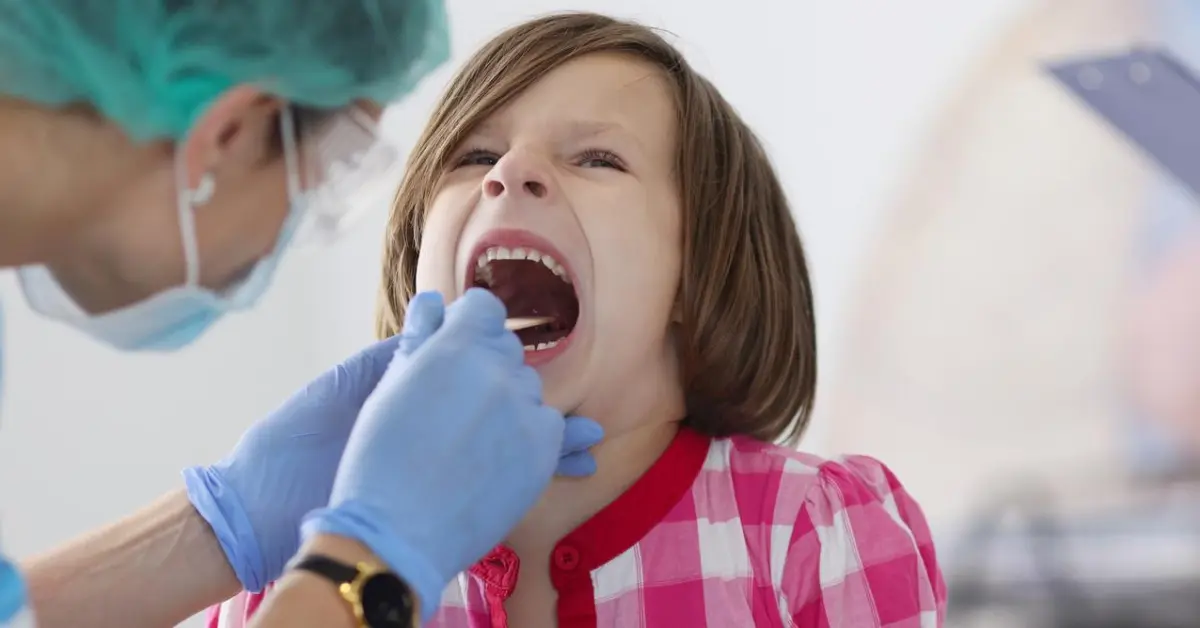
Oral Potentially Malignant Disorders are silent troublemakers of oral health. They don’t look dangerous at first, but they carry a real risk of transforming into oral cancer if ignored. These conditions often show up as white patches, red lesions, thickened tissues, or non-healing ulcers in the mouth. Lifestyle habits like tobacco use, alcohol consumption, areca nut chewing, and chronic irritation play a big role. Early diagnosis, regular monitoring, and timely treatment are the real game-changers. When detected early, progression can be slowed, controlled, or even completely stopped—saving function, appearance, and lives.
Oral Potentially Malignant Disorders are not cancer, but they sit dangerously close to it. Think of them as warning signs your body is flashing—ignore them, and things can escalate fast.
Common OPMDs include:
Patients seeking Oral Potentially Malignant Disorders in chennai often present late because early lesions are painless. That delay is exactly what allows malignant transformation.
Clinically, Oral Potentially Malignant Disorders in chennai require a structured protocol—screening, biopsy, risk grading, and long-term follow-up. Access to advanced diagnostics has made Oral Potentially Malignant Disorders in Chennai far more predictable than before.
This is why specialized care for Oral Potentially Malignant Disorders in chennai is no longer optional—it’s essential.
Patients from Oral Potentially Malignant Disorders in greams roads clinics benefit from structured screening protocols that catch lesions before they turn aggressive.
Early biopsy is the backbone of safe care in Oral Potentially Malignant Disorders in chennai, preventing guesswork and delayed treatment.
When OPMDs progress or show severe dysplasia, surgical management becomes necessary.
Advanced centers managing Oral Potentially Malignant Disorders in chennai focus on function-preserving oncologic surgery.
Patients opting for Oral Potentially Malignant Disorders in Teynampet benefit from precision-driven surgical protocols.
Management pathways for Oral Potentially Malignant Disorders in greams roads emphasize timely neck evaluation.
Experienced teams handling Oral Potentially Malignant Disorders in Teynampet are equipped for complex salvage cases.
Proactive patients reduce the burden of Oral Potentially Malignant Disorders in chennai significantly.
Long-term vigilance is key in controlling Oral Potentially Malignant Disorders in chennai.
Oral Potentially Malignant Disorders are a critical intersection between prevention and cancer care. They demand respect, not fear—because when handled early, outcomes are excellent. Ignoring symptoms, delaying diagnosis, or continuing high-risk habits is what turns manageable lesions into life-altering disease. With modern screening, accurate biopsies, and evidence-based surgical protocols, progression can be stopped in its tracks. Early action isn’t just smart—it’s life-saving.
No. Oral Potentially Malignant Disorders are not cancer, but they have the potential to turn into cancer over time. The risk depends on the type of lesion, habits, and histological grading. Early diagnosis and regular monitoring significantly reduce the chance of malignant transformation.
A biopsy is recommended when a lesion persists for more than two weeks, shows color changes, ulceration, or surface irregularity. Biopsy helps confirm dysplasia severity and guides treatment decisions, preventing unnecessary delay and disease progression.
In early stages, yes. Quitting tobacco, alcohol, and areca nut, along with nutritional correction and regular monitoring, can cause regression in certain lesions. However, moderate to severe dysplasia usually requires surgical management for long-term safety.
Schedule a consultation with our oral cancer surgery specialists. Our team is ready to provide personalized care and answer all your questions.